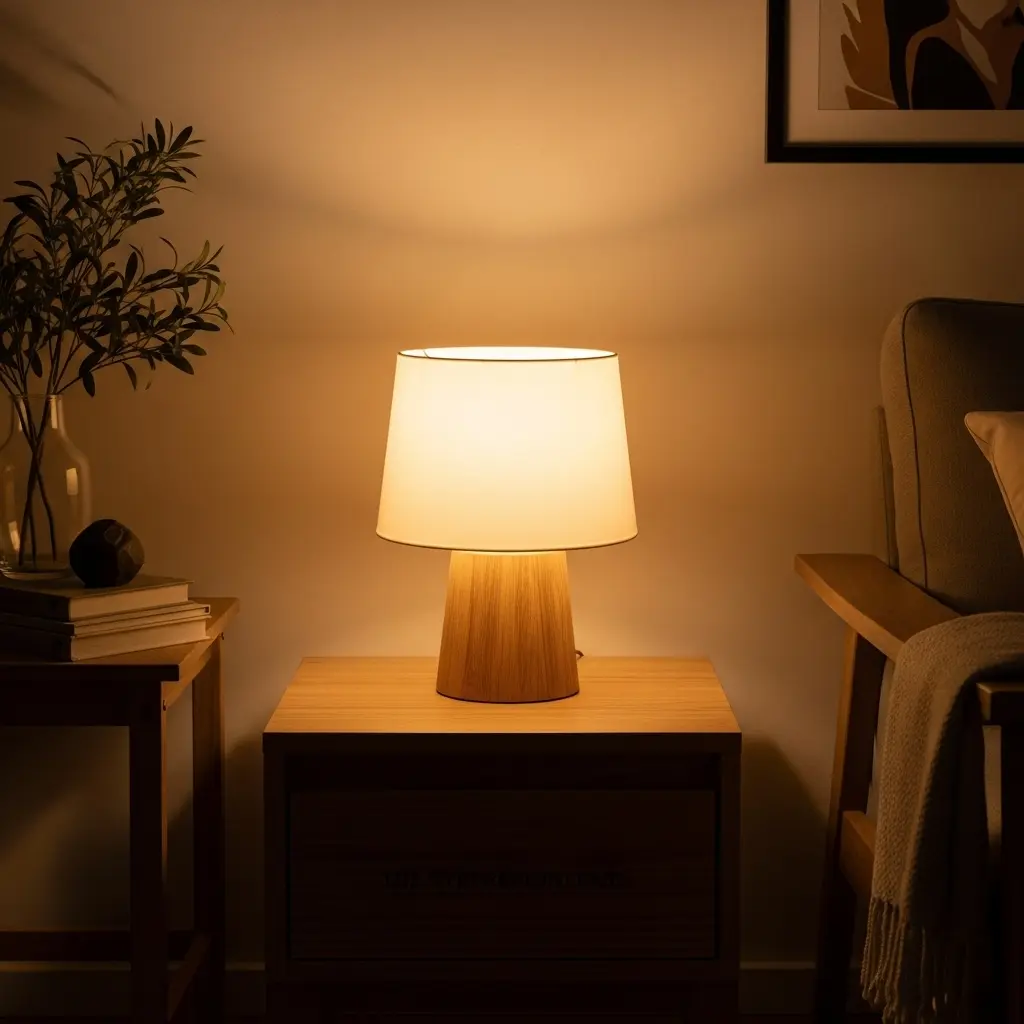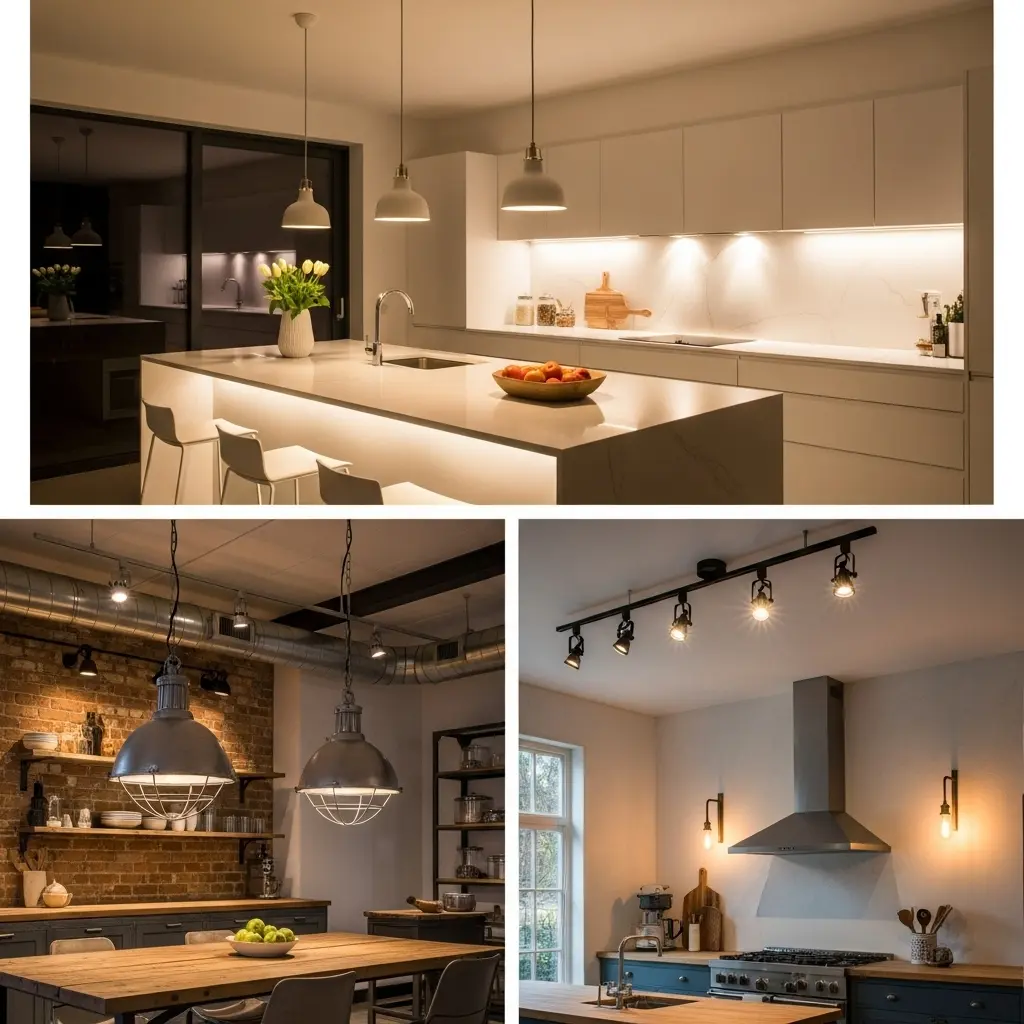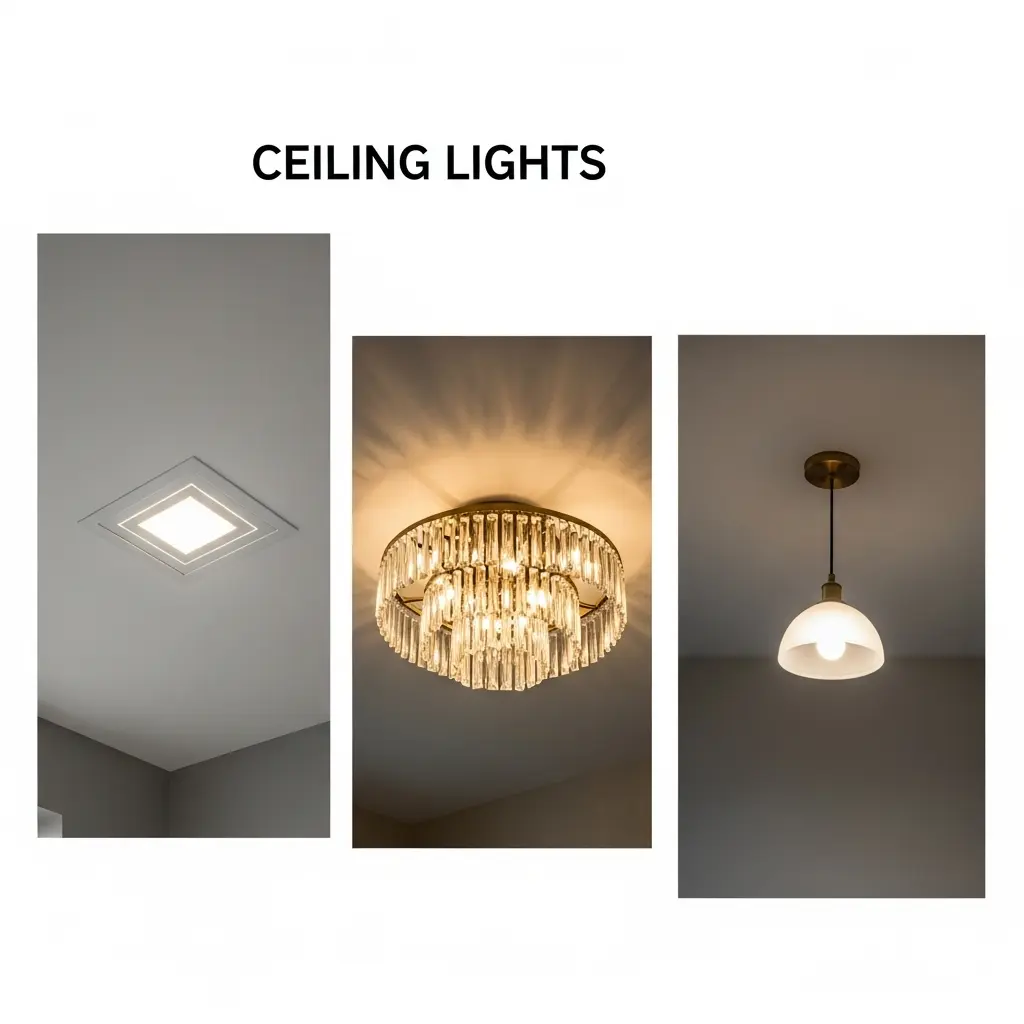
Ceiling Lights changed how I think about lighting. I used to prefer using lamps for lighting. You know—the soft, cozy, “just lamps and candles” crew. I believed that overhead lights were detrimental to mood and design. Then one evening, while trying to read a book under a 20-watt bulb, I realized I couldn’t see a thing.
That moment changed how I thought about lighting. It made me appreciate how much a ceiling light can do—especially when chosen with care.
Now I’m firmly in the camp that says you can have style and practicality in the same fixture.
What You’ll Learn in This Guide
Here’s what I’m breaking down for you today:
- How I choose living room ceiling lights that flatter instead of glare
- Why I’m obsessed with decorative LED lights for home and how I use them creatively
- Simple ways to mix overhead lighting with mood lamps
- Tips for balancing light color, comfort, and function
- My personal tricks for brightening a space without killing its vibe
Living Room Ceiling Lights: My Unpopular Love Story
Once upon a time, I was a “no big light” person. Overhead fixtures felt harsh, unflattering, and far too bright for Netflix nights. But then I realized the issue wasn’t the light itself—it was how it was used.
My living room sits under a canopy of trees, and during the day, it feels like dusk. Lamps alone make it feel like bedtime at noon. I needed an even layer of light that could shift from bright mornings to warm evenings.
That’s where living room ceiling lights came in.
I installed a simple flush mount with a soft white LED bulb, and suddenly the whole space felt alive. It wasn’t blinding, just balanced. The shadows disappeared, and the color on my walls finally looked like what I’d picked at the store.
Tip: Choose fixtures with diffusers or frosted glass. They spread light evenly and keep it gentle on the eyes.
Now, when people tell me they “hate the big light,” I smile. Because with the right design, the big light is the one thing keeping your room from looking like a cave.
Decorative LED Lights for Home: Function Meets Mood
The best lighting does more than brighten a space—it creates an atmosphere. That’s where decorative LED lights entirely changed my home.
I started experimenting with soft LED strips under my floating shelves and behind the TV. Suddenly, the room had layers. The glow was warm, modern, and energy-efficient. Furthermore, I was not required to manage six lamps simultaneously or search for available outlets (truly, where do people find such a multitude?).
My quick LED favorites:
- Under-shelf glow: Adds dimension and highlights artwork.
- Cove lighting: Creates a subtle halo effect on ceilings.
- Behind-TV backlight: Reduces eye strain and looks cinematic.
And if you’re worried about setup, don’t be. Most LEDs now come with adhesive backs and remote dimmers. You can even try battery-powered versions. I’ve tested some for my kitchen too (you can peek at that wireless under-cabinet lighting setup I shared earlier—it’s surprisingly simple).
Lesson learned: LEDs don’t just save energy—they save effort.
Balancing Overhead and Accent Lights
Overhead lighting doesn’t have to do all the work alone. My formula for cozy brightness is simple:
one ceiling fixture + two accent lamps + one playful detail.
The ceiling light gives clarity. The lamps add softness. And the detail—maybe a wall sconce or LED strip—adds interest.
Here’s how I think of it: overhead light sets the stage, and accent light sets the mood.
When guests come over, I dim the main fixture and let smaller lights pick up the atmosphere. It feels intentional but effortless.
How I Choose the Right Fixture for My Space
Shopping for lights can feel like speed dating—too many options, not enough clarity. My rule? Every fixture must earn its place.
When choosing ceiling lights for the living room, I ask:
- Does it spread light evenly?
- Does it complement my furniture and ceiling height?
- Does it make me smile when I look at it?
I’ve found that round, semi-flush designs with warm bulbs work best for my space. Anything too ornate fights the decor; anything too stark feels sterile.
Personal tip: if your living room has lower ceilings, avoid bulky chandeliers. Go for something that hugs the ceiling but still has visual character—like a brass disk or a layered drum shade.
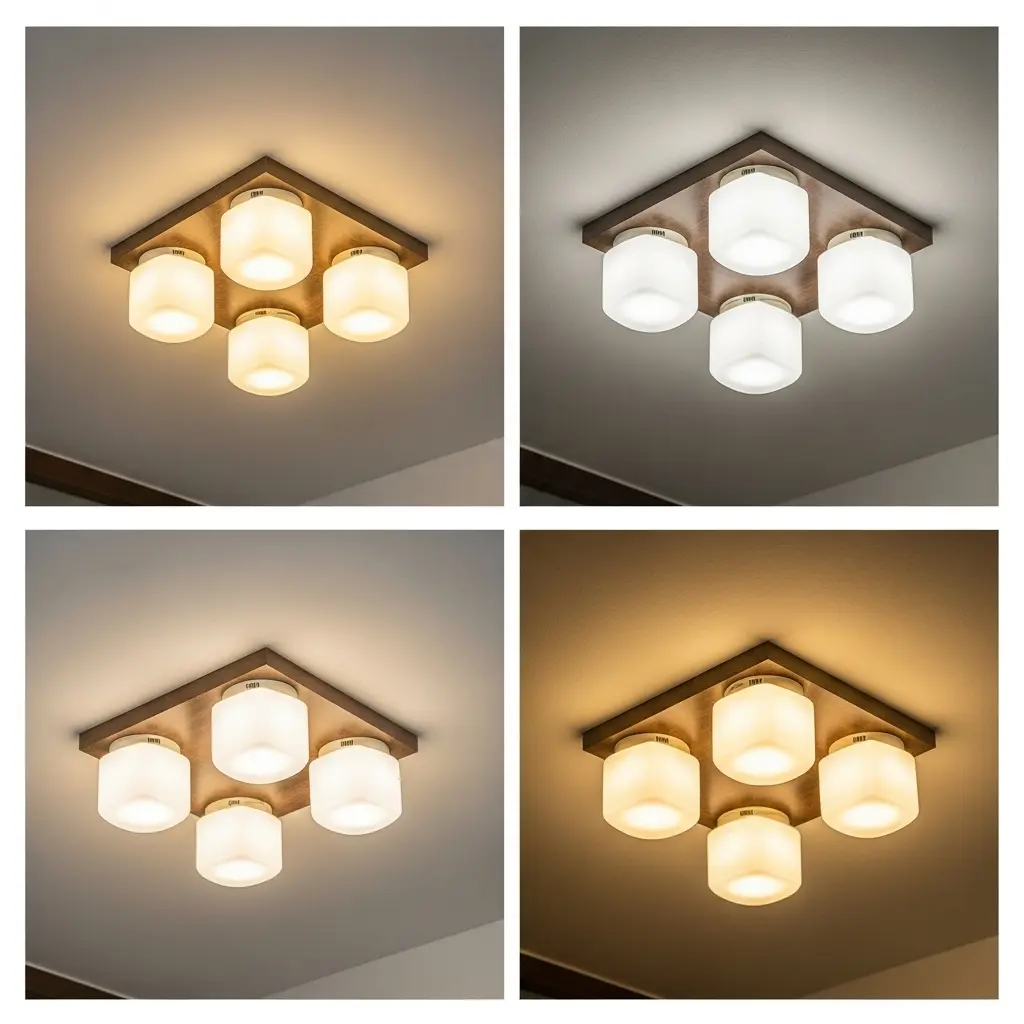
Warm or Cool? The Color Dilemma
I used to think all white bulbs were the same. Then I realized that color temperature can completely change how a room feels.
Here’s what works for me:
- 2700K–3000K for cozy evenings
- 3500K for daytime focus
- 4000K+ only in kitchens or workspaces
That warm tone mimics natural light during sunset—the kind of light that flatters skin and softens colors.
If you’re not sure what looks right, buy smart bulbs. They let you shift between tones without replacing anything. It’s like having multiple moods in one fixture.
The Comfort Factor: Brightness Without Harshness
Good lighting shouldn’t hurt your eyes or flatten your space. It should feel invisible—until you notice how lovely the room feels.
For a living room, I keep brightness around 800–1,000 lumens per bulb. It’s enough for reading, but not enough to turn movie night into an operating room.
If you have high ceilings, go higher in lumens or add wall sconces to fill vertical space. The goal is even coverage, not intensity.
One thing I learned the hard way: skip cool-toned bulbs that scream “office.” They make beige walls look gray and people look exhausted.
Mixing Materials and Styles
Ceiling lights don’t have to match every lamp or accent in the room. In fact, a little contrast keeps things intriguing.
I mix metal with fabric, glass, and wood. For instance, a brushed gold ceiling fixture pairs beautifully with a linen lampshade or a black metal floor lamp. That blend gives the room personality without causing chaos.
If your decor leans modern, try sleek LED panels or geometric designs. For something softer, rattan or frosted globes add texture and charm.
Pro tip: keep one common thread—like finish color or shape—to tie everything together subtly.
Practical Advice: Setup, Outlets, and Dimmers
This category is where function meets sanity. I’ve lived in older homes where outlets are rare and switches don’t always make sense. If you find yourself in a similar situation, wireless technology can be a valuable asset.
-
Smart plugs: turn regular lamps into remote-controlled ones.
-
Wireless dimmers let you adjust ceiling lights without rewiring.
-
Rechargeable LEDs: work anywhere you can’t reach an outlet.
I also recommend using timers for lights that stay on longer—energy savings sneak up fast.
And yes, always check bulb compatibility before mixing dimmers with LEDs. (My lesson learned: flickering lights are not “vintage charm.”)
Mood Lighting Made Easy
Here’s where you can have fun. Once your ceiling and LED lights handle the basics, add touches that make the space uniquely yours:
- A glowing art frame that catches attention
- LED candles grouped on a console
- A string of fairy lights hidden behind a plant for subtle sparkle
It’s about playing with light, not fighting it.
Quick Q&A
Q1: Can ceiling lights make a room feel cozy?
Absolutely. Choose warm bulbs, soft diffusers, and dimmers. Cozy lighting is about tone, not darkness.
Q2: Are decorative LED lights reliable for long-term use?
Yes—most last over 25,000 hours and use far less energy. Just avoid ultra-cheap ones that flicker or change color unexpectedly.
Q3: How can I make my lighting look expensive without spending a lot?
Keep the fixture simple and invest in excellent bulbs. Lighting quality often matters more than design complexity.
Q4: Should I match ceiling lights to wall paint?
Not directly, but consider contrast. A white fixture on a white ceiling disappears; a matte brass one stands out beautifully.
Final Thoughts
My love for lighting came late—but now, I can’t imagine living in the dark (literally). The right ceiling light brings everything to life. It highlights color, adds dimension, and makes a space truly usable.
So, if you’ve been avoiding “the big light,” give it another shot. It doesn’t have to be harsh. It just has to be thoughtfully chosen.
And maybe, just maybe—you’ll find yourself switching it on more often than you expected.
Sometimes, having a clear vision is the best design decision you can make.