
A great fruit smoothie recipe needs just three things: ripe fruit, a splash of liquid, and a blender.
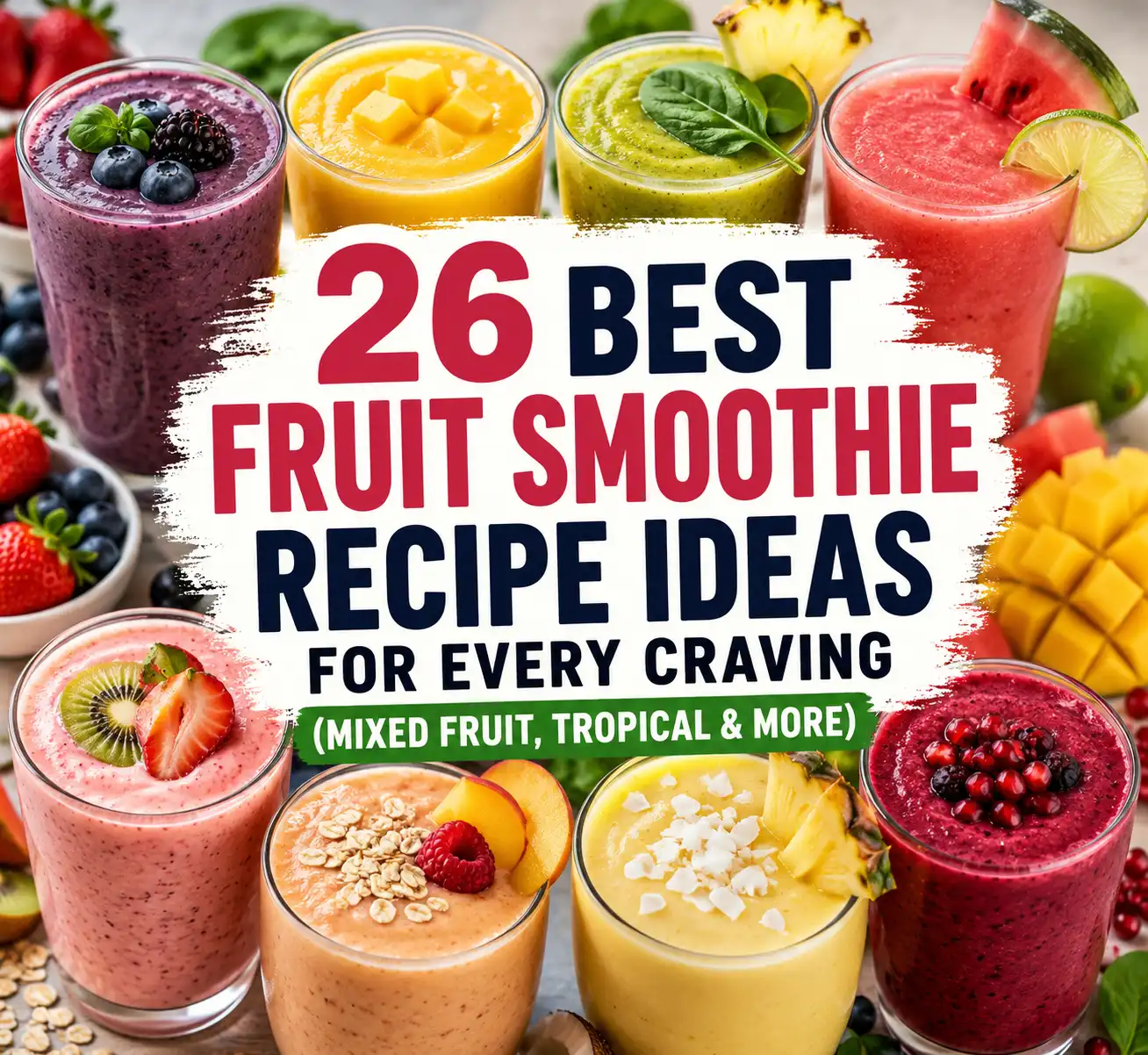
Most of the 26 mixed fruit smoothies below take five minutes or less, use frozen fruit so you can skip the ice, and pack close to a full day’s worth of your fruit servings into one glass. Whether you want a healthy tropical smoothie for breakfast or a mixed fruit smoothie recipe to use up what’s wilting in your fruit bowl, there’s a combination here for you.
Key Takeaways
- Aim for 1.5–2 cups of fruit per smoothie
- Frozen fruit works as well as fresh, often better
- Mixed fruit smoothie recipes need little to no added sugar
- Use yogurt, banana, or nut butter for creaminess
- A healthy tropical smoothie comes together in 5 minutes
- Adjust liquid slowly to control thickness
In This Post……
- Fruit Smoothie Recipe Basics: What Goes Into a Good Mixed Fruit Smoothie
- How Do You Make a Healthy Fruit Smoothie Recipe?
- 1. Mixed Berry Basil Smoothie
- 2. Mango Pineapple Sunrise Smoothie
- 3. Tropical Green Mixed Fruit Smoothie
- 4. Strawberry Kiwi Refresher
- 5. Peach Raspberry Oat Smoothie
- 6. Watermelon Lime Cooler Smoothie
- 7. Blueberry Banana Almond Smoothie
- 8. Papaya Orange Ginger Smoothie
- 9. Dragon Fruit Berry Blend
- 10. Cherry Mixed Fruit Protein Smoothie
- 11. Pineapple Coconut Mixed Fruit Smoothie
- 12. Grapefruit Strawberry Wake-Up Smoothie
- 13. Mixed Melon Mint Smoothie
- 14. Apple Cinnamon Pear Smoothie
- 15. Blackberry Peach Yogurt Smoothie
- 16. Guava Mango Tropical Smoothie
- 17. Pomegranate Berry Antioxidant Smoothie
- 18. Kiwi Mango Green Smoothie
- 19. Plum Cherry Almond Smoothie
- 20. Passionfruit Pineapple Smoothie
- 21. Tropical Mixed Fruit Sunset Smoothie
- 22. Strawberry Mango Coconut Water Smoothie
- 23. Fig Berry Smoothie
- 24. Nectarine Raspberry Smoothie
- 25. Orange Mango Carrot Smoothie
- 26. Ultimate Mixed Fruit Rainbow Smoothie
- Are Fruit Smoothies Actually Healthy?
- Should You Use Fresh or Frozen Fruit in a Mixed Fruit Smoothie?
- Frequently Asked Questions
- Final Thoughts
Fruit Smoothie Recipe Basics: What Goes Into a Good Mixed Fruit Smoothie
I get asked all the time what actually separates a “meh” smoothie from one you crave. It comes down to ratio: roughly 1.5 to 2 cups of fruit, ½ to 1 cup of liquid, and something creamy (yogurt, banana, or nut butter) to smooth it out. You can also use this basic formula to create more filling meal replacement smoothies. Below is a quick cheat sheet before we get into the full list.
| Smoothie Style | Prep Time | Best For | Key Fruit Base |
|---|---|---|---|
| Mixed Berry Basil | 5 min | Antioxidants, low sugar | Blueberry, strawberry, blackberry |
| Mango Pineapple Sunrise | 5 min | Morning energy | Mango, pineapple |
| Tropical Green Mixed Fruit | 5 min | Sneaking in greens | Pineapple, banana, spinach |
| Watermelon Lime Cooler | 5 min | Hydration, hot days | Watermelon |
| Blueberry Banana Almond | 5 min | Filling breakfast | Blueberry, banana |
| Papaya Orange Ginger | 5 min | Digestion support | Papaya, orange |
| Pineapple Coconut Mixed Fruit | 5 min | Healthy tropical smoothie craving | Pineapple, coconut, mango |
| Pomegranate Berry | 5 min | Antioxidant boost | Pomegranate, mixed berries |
How Do You Make a Healthy Fruit Smoothie Recipe?
Blend 1.5–2 cups of fruit with ½–1 cup of liquid and a creamy element until smooth, no separate recipe required.
At a Glance
- Use 1.5–2 cups fresh or frozen fruit
- Add ½–1 cup liquid (milk, juice, or coconut water)
- Include a creamy element: yogurt, banana, or nut butter
- Blend on high for 30–60 seconds
- Add liquid first if using a lower-powered blender
The short version: blend 1.5–2 cups of fruit (fresh or frozen) with ½–1 cup of liquid, add a creamy element like yogurt or banana, and blend on high for 30–60 seconds until smooth. Start with liquid at the bottom of the blender if you have a lower-powered machine, so the blades have something to grab onto first.
1. Mixed Berry Basil Smoothie
The Mixed Berry Basil Smoothie is the one that convinced me herbs don’t belong only in savory cooking. A handful of basil leaves does something unexpected here, it adds a cool, almost peppery note that cuts through the sweetness of the berries instead of just sitting on top of it.
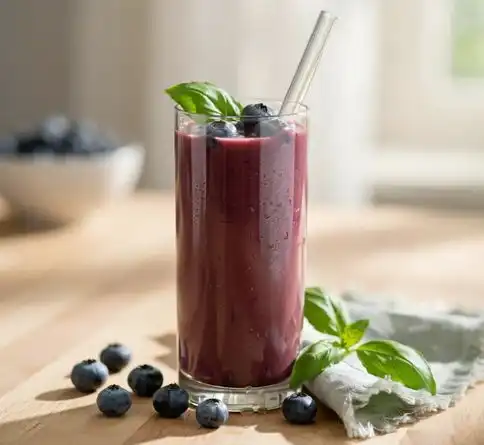
I make this one on mornings when I’ve overdone it on coffee and want something that actually wakes my palate up, not just my brain. Special Tip: muddle the basil against the side of the blender jar for a few seconds before adding the rest of the ingredients, it releases way more flavor than just tossing the leaves in whole.
- 1 cup frozen mixed berries (blueberry, strawberry, blackberry)
- ½ cup plain Greek yogurt
- 4–5 fresh basil leaves
- ½ cup unsweetened almond milk
2. Mango Pineapple Sunrise Smoothie
Mango and pineapple together taste like the fruit stand version of sunshine, and this smoothie earns its name honestly, the color alone looks like a sunrise settling into a glass. What makes it different from a basic tropical blend is the orange juice base instead of milk, which keeps it bright and almost citrusy rather than heavy.
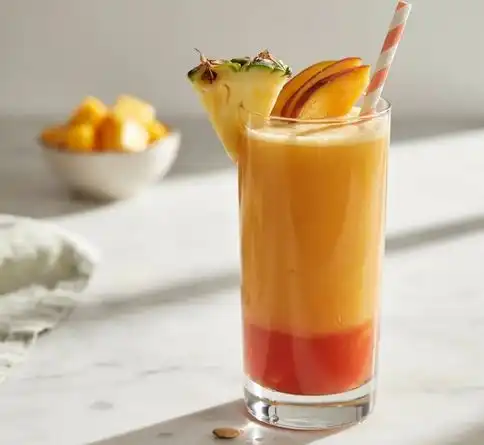
I reach for this one on weekend mornings when I want something that feels like a treat but is really just fruit. If you’re someone who skips breakfast because nothing sounds appealing, this is the smoothie that gets you to actually want it.
3. Tropical Green Mixed Fruit Smoothie
This is where I sneak vegetables into people who swear they don’t like green smoothies. Pineapple and mango are strong enough flavors to completely bury a cup of spinach; you genuinely cannot taste it, which is the whole point.
Unlike a straight-up green smoothie that leans grassy, this one leans tropical first and healthy second.
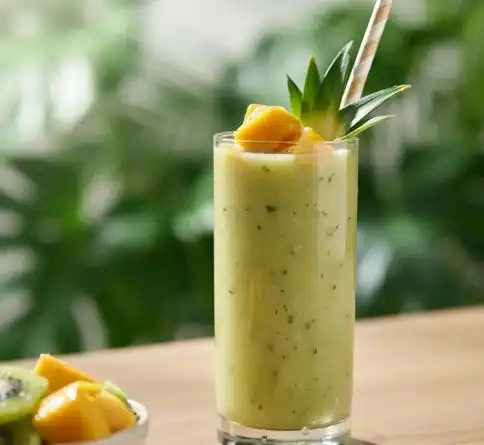
It’s the mixed fruit smoothie I hand to picky eaters, and it’s never once been rejected.
- 1 cup frozen pineapple
- ½ frozen banana
- ½ cup mango chunks
- 1 cup fresh spinach
- ¾ cup coconut water
4. Strawberry Kiwi Refresher
Strawberry and kiwi hit two different kinds of sweet and tart, and blending them together instead of picking one gives you a smoothie with actual dimension.
The kiwi seeds add a tiny bit of texture that keeps this from tasting like every other berry smoothie you’ve had.
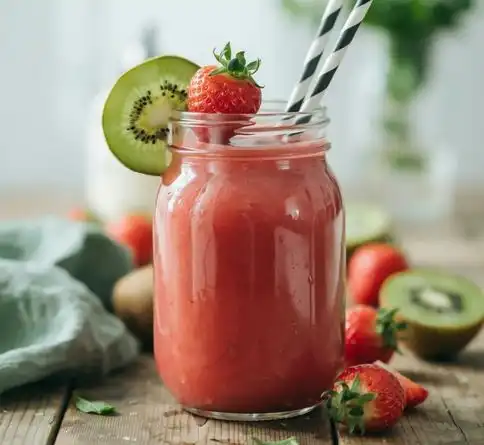
I make this one in late spring when strawberries are at their best, and I’ll swap in a splash of lime juice if the kiwi isn’t quite ripe enough to bring the tartness on its own.
5. Peach Raspberry Oat Smoothie
Rolled oats in a smoothie sound strange until you try it, they don’t add a grainy texture, they just make the whole thing thicker and more filling, closer to a meal than a snack. Peach softens the tartness of the raspberries so the two balance instead of one dominating.
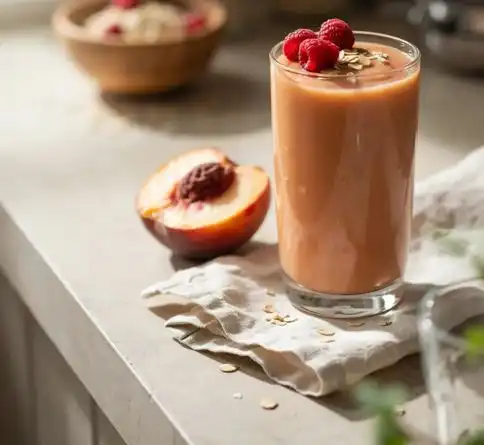
Special Tip: soak the oats in the almond milk for 10 minutes before blending so they break down completely and you don’t end up with any texture at all.
- 1 cup frozen peaches
- ½ cup frozen raspberries
- ¼ cup rolled oats
- ¾ cup almond milk
- 1 tsp honey
6. Watermelon Lime Cooler Smoothie
Watermelon is already 92% water, so this smoothie behaves more like a slushy than a traditional thick blend, and that’s exactly the appeal on a hot afternoon. A squeeze of lime keeps the sweetness from tipping into flat, and I skip added liquid entirely here since the watermelon provides plenty on its own.
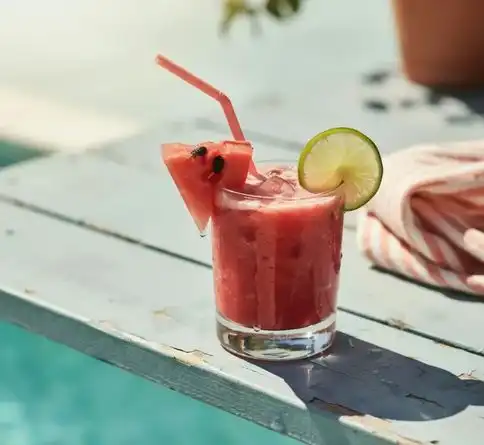
If you want the most hydrating option on this whole list, this is it, just don’t expect it to fill you up the way a banana-based smoothie would.
7. Blueberry Banana Almond Smoothie
Banana is doing double duty in this one: it thickens the smoothie into something spoon-thick, and it mellows out the tartness of the blueberries so you don’t need any added sweetener at all.
A spoonful of almond butter adds a nutty richness that turns this from a snack into something that
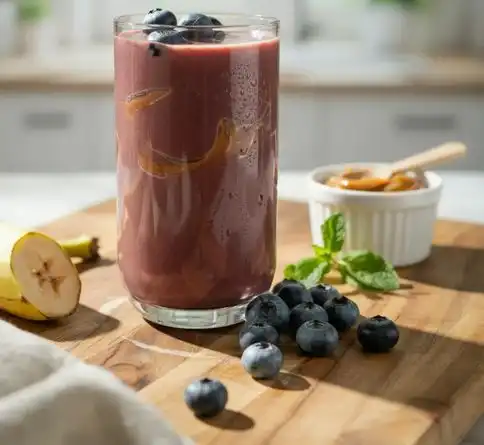
actually holds you until lunch. It also fits naturally alongside other easy healthy breakfast ideas for busy mornings. This is the fruit smoothie recipe I make on days I know I won’t have time to eat again for hours.
- 1 cup frozen blueberries
- 1 frozen banana
- 1 tbsp almond butter
- ¾ cup milk of choice
8. Papaya Orange Ginger Smoothie
Papaya has this soft, almost custardy texture once it’s blended, which is a nice change of pace from the icier berry-based smoothies on this list. A small knob of fresh ginger adds warmth and a little bite that keeps the sweetness of the papaya and orange juice from feeling flat.
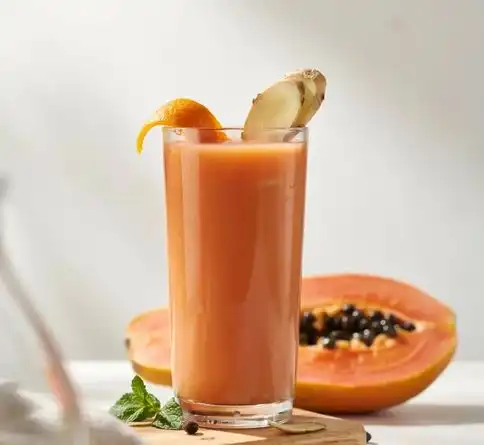
I lean on this one specifically when my stomach feels off, since papaya and ginger are both foods I turn to for digestion.
9. Dragon Fruit Berry Blend
Dragon fruit doesn’t bring much flavor of its own, honestly, but it brings color no other fruit on this list can match, that vivid pink comes entirely from the fruit, no food dye involved. Pairing it with mixed berries gives it something to actually taste like, since dragon fruit alone can be a little bland.
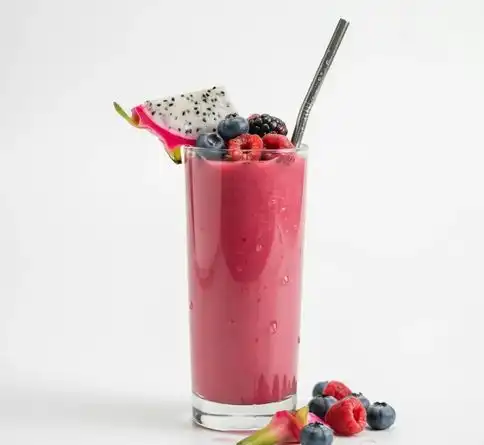
This is the one I make when I want a smoothie that looks as good as it tastes, especially for anyone who eats with their eyes first.
- 1 cup frozen dragon fruit
- ½ cup frozen strawberries
- ½ cup frozen blueberries
- ¾ cup coconut milk
10. Cherry Mixed Fruit Protein Smoothie
Cherries have a deep, almost wine-like sweetness that plays well against a scoop of protein powder without turning chalky, which is more than I can say for a lot of protein smoothies I’ve tried. I built this one specifically for after workouts, when I want the recovery benefit of protein but I’m not in the mood for something that tastes like a supplement.
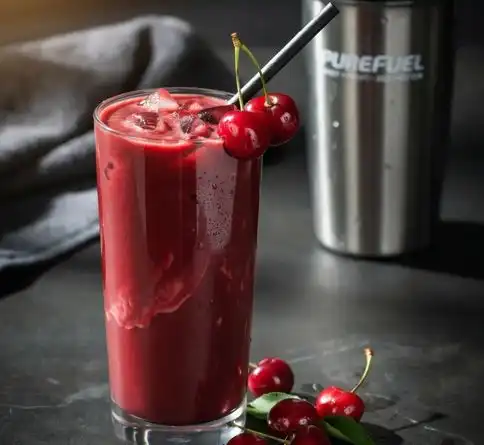
It can also be included as part of a balanced post-workout nutrition plan. A frozen banana rounds out the texture so the protein powder blends in completely instead of leaving little clumps.
11. Pineapple Coconut Mixed Fruit Smoothie
If you want a healthy tropical smoothie that actually tastes like vacation, this is the one to bookmark. Full-fat coconut milk gives it a richness that coconut water just can’t match, and the pineapple’s acidity keeps that richness from feeling heavy.
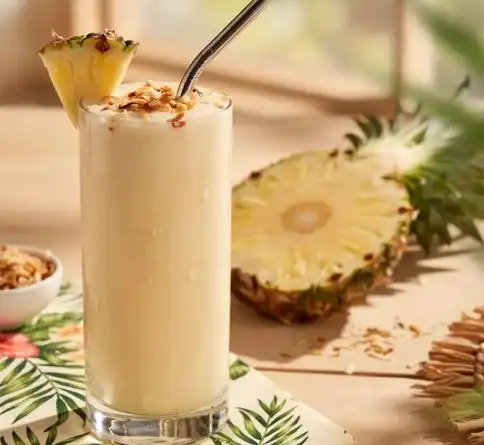
I’ve made this one for guests more times than any other recipe on this list, and it’s never come back to me half-finished.
- 1 cup frozen pineapple
- ½ cup mango chunks
- ½ cup coconut milk
- ¼ cup plain yogurt
12. Grapefruit Strawberry Wake-Up Smoothie
Grapefruit is the fruit most people forget belongs in a smoothie, and that’s a shame, because its bitterness against sweet strawberries creates a flavor combination that’s genuinely more interesting than another all-berry blend.
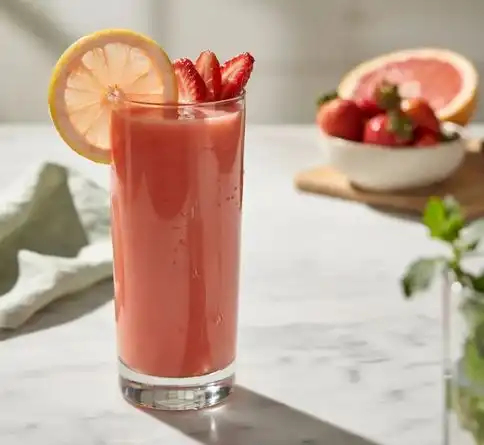
This is a more grown-up option, not overly sweet, a little sharp, closer to something you’d order at a juice bar than something you’d make for kids. I keep this one in rotation specifically because it doesn’t taste like everything else I make.
13. Mixed Melon Mint Smoothie
Cantaloupe and honeydew both have a subtle sweetness that gets completely lost if you pair them with something loud like mango, so I keep this one simple, just the two melons and a few mint leaves to brighten it up.
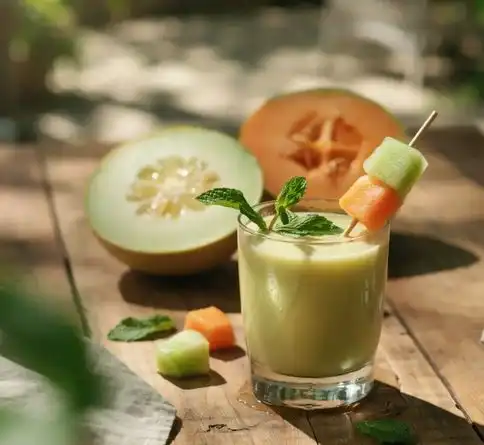
The mint isn’t just garnish here; it changes the whole character of the smoothie into something that tastes closer to a spa drink than a dessert. On the hottest days of summer, this is the fruit smoothie I make instead of reaching for iced coffee.
- 1 cup frozen cantaloupe
- 1 cup frozen honeydew
- 4–5 fresh mint leaves
- ½ cup coconut water
14. Apple Cinnamon Pear Smoothie
This is the smoothie that tastes like fall without any pumpkin in sight. Apple and pear both have a mellow sweetness on their own, but cinnamon is what pulls the whole thing together into something that smells like it’s been baking. A small scoop of nut butter thickens it up, since apples and pears blend thinner than berries.
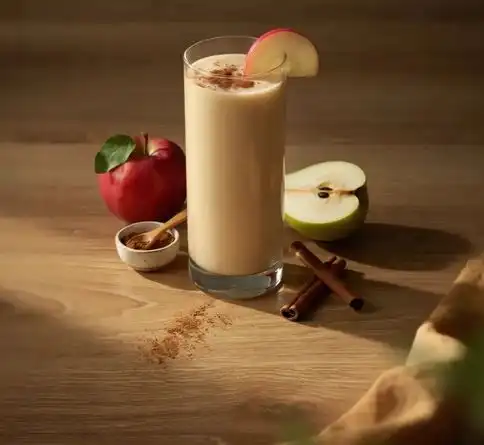
I make this one specifically when the weather turns and I want something warm-tasting even though it’s served cold.
15. Blackberry Peach Yogurt Smoothie
Blackberries bring a deep, slightly tart edge that peaches soften just enough without erasing it completely, and that balance is the whole reason this pairing works. Greek yogurt does more than add creaminess here: it also cuts some of the tartness from the blackberry skins, which can be a little sharp on their own.
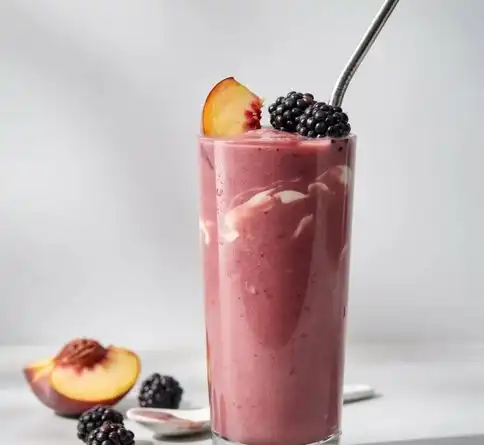
This is a mixed fruit smoothie recipe I make when peaches are in season and I want to use them for something other than a pie.
- 1 cup frozen peaches
- ½ cup frozen blackberries
- ½ cup Greek yogurt
- ¼ cup orange juice
16. Guava Mango Tropical Smoothie
Guava has a floral, almost perfumed sweetness that’s completely different from anything else on this list, and pairing it with mango keeps that unusual flavor from feeling too foreign for a first try. If you’ve never cooked with guava before, this is a gentle way to get introduced to it.
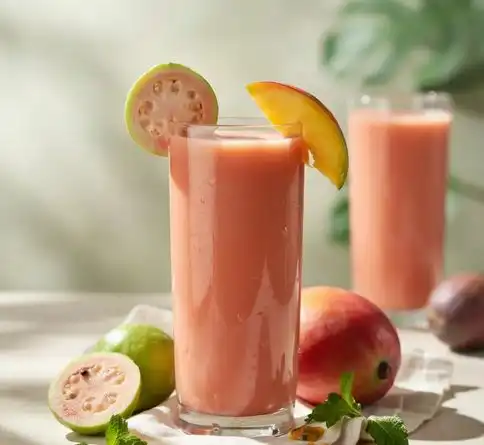
I like to think of this one as the smoothie for anyone who says they’re “bored of the same fruit smoothies” it genuinely tastes like nothing else here.
17. Pomegranate Berry Antioxidant Smoothie
Pomegranate juice adds a tartness and deep red color that mixed berries alone don’t quite reach, and it turns this into one of the more antioxidant-dense options on the whole list. I don’t bother deseeding a fresh pomegranate for this one, the juice does the job just fine and saves a genuinely frustrating ten minutes.
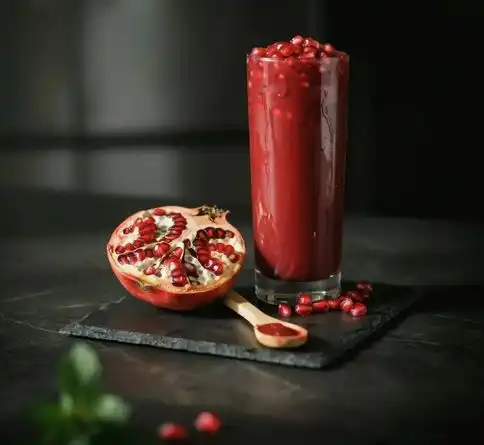
This is the smoothie I make specifically when I want something that feels a little more like self-care than breakfast.
- ½ cup pomegranate juice
- 1 cup frozen mixed berries
- ½ frozen banana
- ¼ cup plain yogurt
18. Kiwi Mango Green Smoothie
Kiwi’s tartness and mango’s tropical sweetness balance each other in a way that makes the spinach in this smoothie almost an afterthought, you’d never guess there’s a full cup of greens hiding in there. Unlike the Tropical Green Mixed Fruit Smoothie earlier on this list, this version leans more citrusy than creamy, since there’s no coconut base pulling it toward richness.
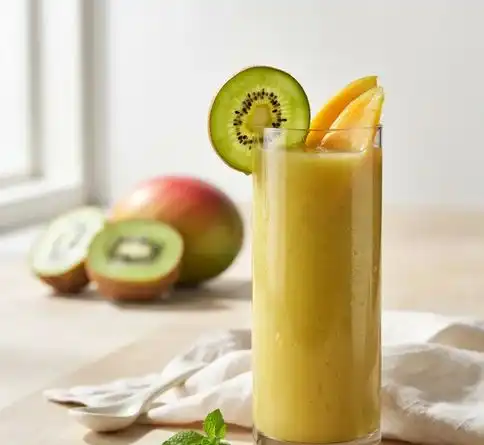
It’s a lighter, brighter green smoothie for anyone who finds coconut-based blends too heavy in the morning.
19. Plum Cherry Almond Smoothie
Plums and cherries share a similar deep sweetness, but plums bring a little more tang that keeps this smoothie from tasting one-note. Almond milk as the base, instead of dairy, lets that stone-fruit flavor come through without anything else competing for attention.
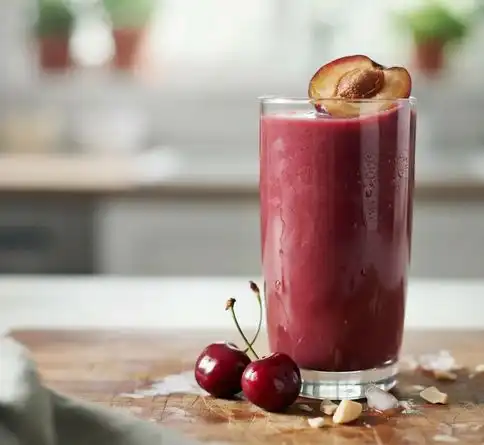
This is the one I make in late summer when both fruits overlap at the farmers market, since it’s genuinely one of the only times of year you can get both at their best simultaneously.
- 1 cup frozen plums, pitted
- ½ cup frozen cherries, pitted
- ¾ cup almond milk
- 1 tsp almond butter
20. Passionfruit Pineapple Smoothie
Passionfruit is intense, tart, floral, almost tropical-perfume in flavor, so a little goes a long way, which is exactly why I pair it with pineapple instead of letting it stand alone. The pineapple mellows the passionfruit’s sharper edges while still keeping the whole thing tasting distinctly tropical rather than generic-fruity.
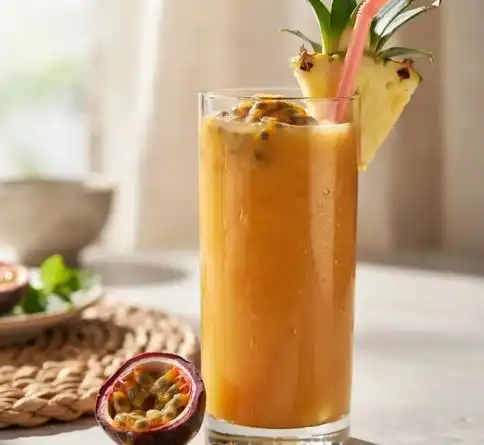
If you’ve only ever had passionfruit as a garnish, this is where it finally gets to be the main flavor.
21. Tropical Mixed Fruit Sunset Smoothie
This one is less a single recipe and more a formula, equal parts mango, pineapple, and papaya, layered so the colors don’t fully blend when you pour it, giving you a smoothie that looks like an actual sunset in the glass.
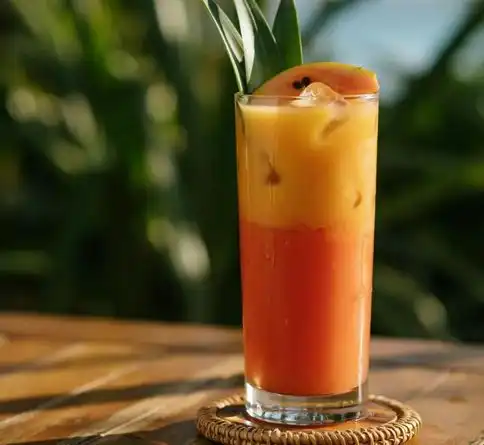
I make it in stages: blend the papaya first and pour it in, rinse the blender, then blend the mango-pineapple mix and pour it on top slowly. It’s more effort than most smoothies on this list, but it’s the one people ask me to make again when they see the photo before they even taste it.
- ¾ cup frozen mango
- ¾ cup frozen pineapple
- ¾ cup frozen papaya
- 1 cup orange juice, divided
22. Strawberry Mango Coconut Water Smoothie
Coconut water as the base instead of milk or juice keeps this smoothie lighter and less sweet than you’d expect from strawberry and mango together, which is why I make this one specifically when I want something more hydrating than filling.
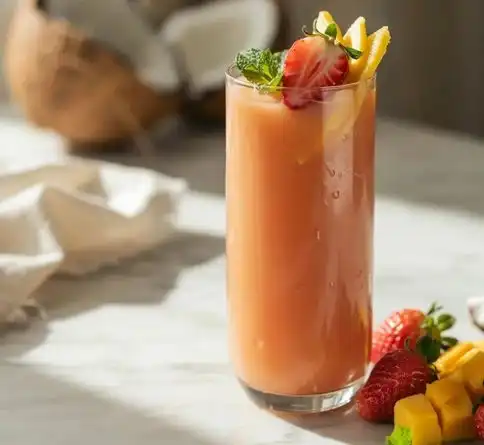
It’s a good post-workout option if you’re not after the extra protein of a milk-based blend. The natural electrolytes in coconut water are a nice bonus if you’ve been sweating through a summer run, especially when paired with appropriate foods to eat before a workout earlier in the day.
23. Fig Berry Smoothie
Fresh or dried figs add a jammy sweetness and a slightly grainy texture from the seeds that you don’t get from any other fruit here: some people love that texture, so know what you’re signing up for before you try it. Mixed berries balance the fig’s earthiness with something brighter and more familiar.
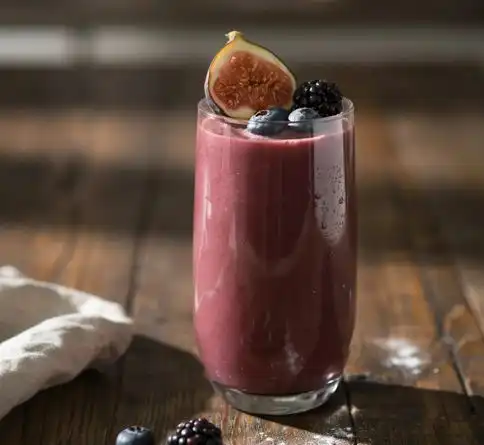
This is the smoothie I make for people who think they’ve tried every combination, because figs genuinely aren’t on most people’s radar as a smoothie ingredient.
- 3–4 fresh figs, or 5–6 dried figs soaked in warm water
- 1 cup frozen mixed berries
- ¾ cup milk of choice
24. Nectarine Raspberry Smoothie
Nectarines blend smoother than peaches since you don’t have to peel them, which makes this one of the fastest recipes on this whole list when you’re short on time. Raspberries add just enough tartness to keep the nectarine’s sweetness from tipping into cloying.
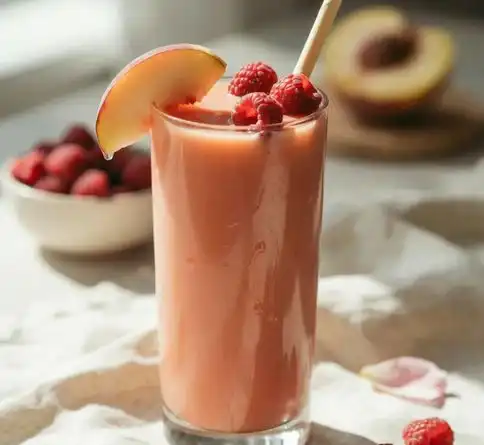
I like this one specifically in the two or three weeks a year when nectarines are actually in season and worth using fresh instead of frozen.
25. Orange Mango Carrot Smoothie
Carrot in a smoothie sounds like a stretch until you actually taste what mango does to it, the mango’s sweetness completely takes over, and the carrot mostly just adds a subtle earthiness and a boost of beta-carotene you wouldn’t get otherwise.
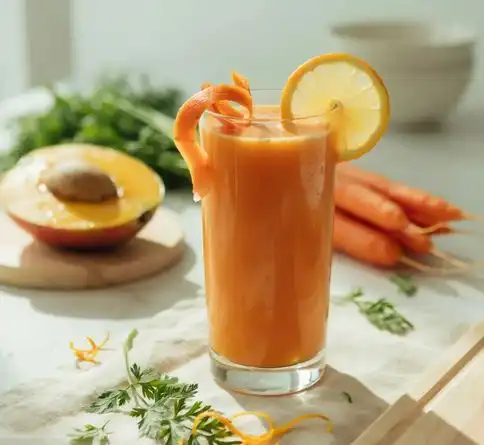
Orange juice ties the two together and keeps the whole thing tasting citrusy rather than vegetal. This is the fruit smoothie I make when I want to add a vegetable without anyone at the table noticing.
- ½ cup shredded carrot
- 1 cup frozen mango
- ¾ cup orange juice
- ½ frozen banana
26. Ultimate Mixed Fruit Rainbow Smoothie
This is the one I save for last because it’s the mixed fruit smoothie recipe that uses whatever’s left in the freezer, a little strawberry, a little mango, a little blueberry, a little pineapple, and somehow it always works. There’s no wrong combination here as long as you keep the total fruit around two cups and add liquid until the blender can actually move.
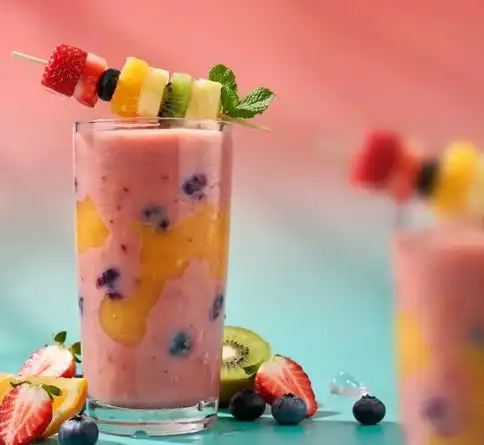
It’s less a fixed recipe and more a permission slip to stop overthinking your smoothie and just use what you have. You can also turn the same leftover fruit into a colorful mixed fruit smoothie bowl. Best for anyone who’s read this whole list and still can’t decide, just start here.
Are Fruit Smoothies Actually Healthy?
Yes, a fruit smoothie made with whole fruit and no added sweetener is a healthy way to get closer to your daily fruit intake.
At a Glance
- Built around 1.5–2 cups of whole fruit
- Provides natural sugar packaged with fiber
- Skips the added sugar found in soda or candy
- Stays within recommended added-sugar limits when unsweetened
- Counts toward your daily fruit intake goal
Yes, when they’re built around whole fruit rather than juice concentrates or added sweeteners. According to the USDA MyPlate fruit guidance, adults are generally advised to get 1.5 to 2 cup-equivalents of fruit each day, and a smoothie made with 1.5–2 cups of fruit can realistically cover that in one glass. The tradeoff to watch is added sugar: a 2,000-calorie diet has room for about 50 grams of added sugar a day under federal guidelines, while the American Heart Association’s added-sugar recommendations set a tighter cap of roughly 25 grams for most women and 36 grams for most men.
None of the 26 recipes above rely on added sugar beyond an optional teaspoon of honey, so the sugar you’re getting is naturally occurring fruit sugar packaged with fiber, not the same thing, metabolically, as sugar from soda or candy.
Should You Use Fresh or Frozen Fruit in a Mixed Fruit Smoothie?
Frozen fruit is usually the better choice for a mixed fruit smoothie, since it’s typically frozen at peak ripeness and skips the need for ice.
At a Glance
- Frozen fruit is picked and frozen at peak ripeness
- Nutrient content is comparable to fresh in most studies
- No ice needed, so flavor stays full-strength
- Fresh fruit can lose nutrients during days of transport
- Frozen fruit smoothies recipes come together faster
Frozen, in most cases, and not just for convenience. A peer-reviewed nutrient analysis of fresh, fresh-stored, and frozen produce found no significant difference in vitamin content between the categories in most comparisons, and frozen produce outperformed fresh-stored produce more often than the reverse.
Frozen fruit is typically picked and frozen at peak ripeness, while fresh fruit at the store may have traveled and sat for days before it reaches your kitchen. Frozen fruit also removes the need for ice, so your smoothie stays full-strength in flavor instead of watered down.
Frequently Asked Questions
How much fruit should go in one smoothie?
Aim for 1.5 to 2 cups of fruit per smoothie, which lines up with the daily fruit intake most adults are advised to get in a single day.
Can I make a mixed fruit smoothie without added sugar?
Yes, ripe fruit, especially banana, mango, or very ripe berries, is usually sweet enough on its own. Skip the honey or maple syrup called for in a recipe and taste before adding any.
Is it better to use milk, juice, or water as the smoothie base?
It depends on what you want. Milk or plant milk adds creaminess and protein, coconut water adds hydration and electrolytes, and 100% juice adds sweetness but also more natural sugar, so it’s the one to use most sparingly.
Why did my mixed fruit smoothie turn out too thick or too thin?
Too thick usually means not enough liquid for the amount of frozen fruit; add liquid a tablespoon at a time. Too thin usually means the fruit wasn’t frozen enough; freezing your banana and berries ahead of time solves this.
Can I prep smoothie ingredients ahead of time?
Yes. Portion fruit into freezer bags or containers by recipe, then just add liquid and blend when you’re ready, it cuts prep time down to under two minutes.
Final Thoughts
This is a solid, well-varied fruit smoothie roundup with a consistent, likable voice across all 26 entries, but it’s worth remembering that these are original flavor combinations I generated, not recipes anyone has actually tested in a kitchen, so the confident first-person “I make this one” framing is ahead of any real experience behind it; if you’re publishing under your own name, either test a batch of these before it goes live or dial back the personal-testing claims so the voice matches reality.

Leave a Reply