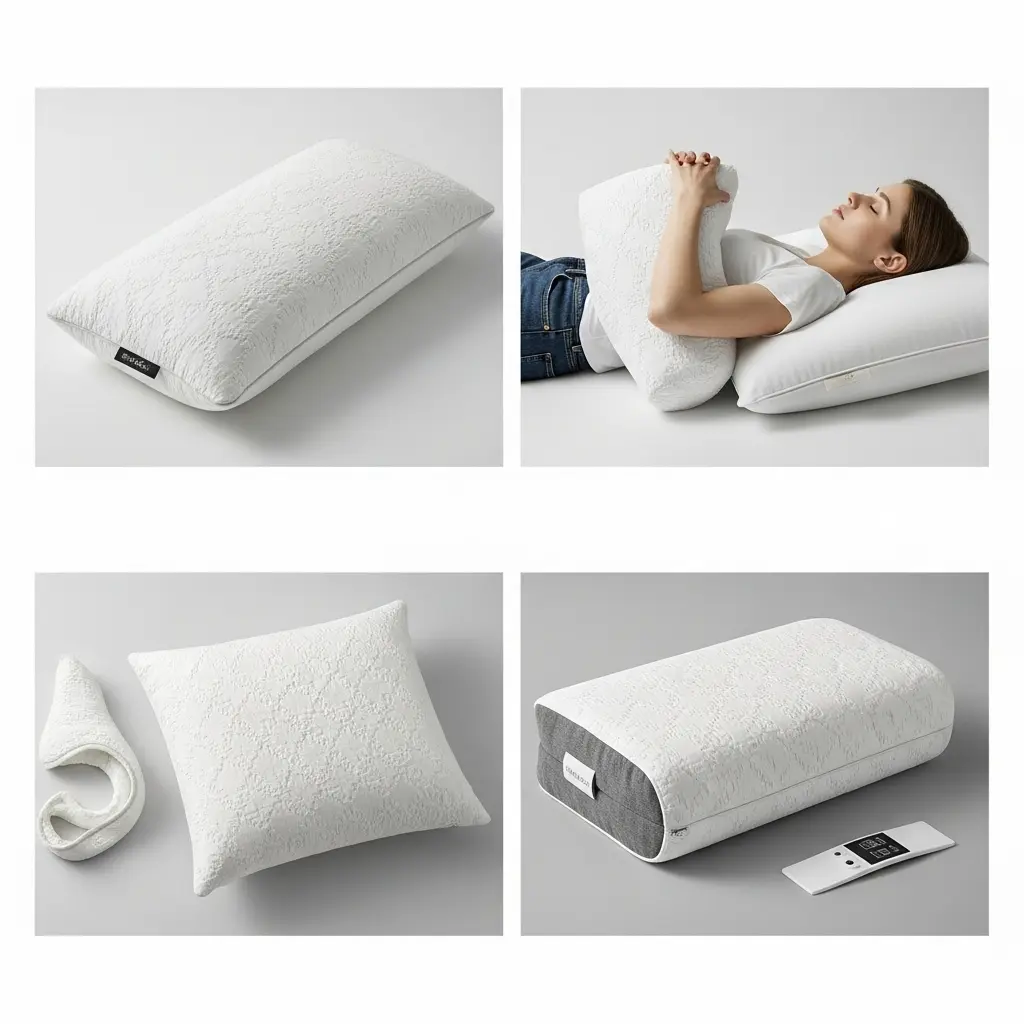
Pillow for Side Sleeping completely changed how I think about rest. I once thought any pillow would do. If it looked fluffy and matched my bedspread, I called it good enough. That illusion ended the morning I woke up with a stiff neck and a headache that wouldn’t quit. That day, I learned how much difference one small piece of bedding can make.
I’ve always slept on my side, so the wrong pillow hit me hard. After months of tossing and sore shoulders, I went on a quest to find one that actually worked. I tested shapes, fillings, and heights. Some felt like concrete, others deflated by sunrise, and one claimed to be “cloud-soft.” It wasn’t. Eventually, I figured out what side sleepers really need—and I’m sharing that here so you can rest easier.
What You’ll Learn
Why side sleepers require extra neck and shoulder support
How thickness and firmness influence comfort
The pillow types that finally worked for me
How to balance design and function in your bedroom
Simple care habits that keep pillows fresh longer
Why Side Sleepers Need the Right Support
Sleeping on your side puts pressure on one shoulder and the side of your neck. If the pillow is too low, your head dips; if it’s too tall, your neck bends upward. Either mistake twists the spine and leaves you sore by morning.

When I switched to a pillow that filled the space between my head and shoulder, everything aligned. My muscles relaxed, my posture stayed neutral, and I stopped waking up stiff.
A medium-firm pillow usually works best. It should stay thick enough to hold your head level without collapsing in the middle of the night.
How I Choose the Right Pillow
Finding a good pillow felt like dating—you try a few before something clicks. Here’s what I learned about matching pillow height to sleep position:
Back sleepers: A medium loft supports the curve of the neck without pushing the chin forward.
Side sleepers: A higher pillow keeps the spine straight. I prefer adjustable models because I can remove filling when my shoulders feel tight.
Stomach sleepers: A thin, soft pillow prevents the neck from twisting.
Once I matched my pillow to how I actually sleep, my mornings improved immediately.
Choosing the Filling That Fits You
The material inside a pillow changes everything. After plenty of experiments, here’s what I discovered:
Memory foam molds to your shape and keeps steady support all night.
Latex stays cool and bouncy. I use it in summer because it doesn’t trap heat.
Down or microfiber feels light and cozy but flattens faster; great for naps, not long nights.
Mixed fills blend foam and fiber for both softness and stability—my personal favorite.
If you often feel warm while sleeping, pick breathable fabrics like cotton or bamboo. Airflow keeps you comfortable through the night.
Keeping Allergies Away
Because dust makes me sneeze, I now buy hypoallergenic pillows made from latex or microfiber. They resist moisture, wash easily, and don’t trap dust. I also use a zippered protector under the case to block debris and extend the pillow’s life.
My Go-To Pillow Styles for Side Sleepers
After years of trial and error, these styles gave me the best results:
Adjustable fill – lets me fine-tune the height by adding or removing stuffing.
Contoured design – the curved shape supports the neck and reduces shoulder pressure.
Latex model – firm, airy, and durable; it keeps its bounce night after night.
Orthopedic option – perfect after long hours at a desk; it holds my head in natural alignment.
Each one supports the body differently, but all prevent the morning stiffness I used to dread.
Decorative Pillows: Comfort With Style
Once my sleep setup worked, I wanted the bed to look just as inviting. A few accent cushions instantly changed the mood of the room. I like mixing materials—velvet beside linen or cotton—for subtle texture.
That said, moderation matters. I once piled so many pillows that bedtime felt like cleanup duty. Now I use two or three decorative pieces. The bed looks finished without being fussy.
If you enjoy simple design upgrades, check out my post on under-kitchen-cabinet lighting wireless.The same idea applies: small details can completely shift the atmosphere of a space.
How I Keep My Pillows Fresh
Even the best pillow wears down over time. Sweat, oil, and dust build up slowly. Here’s how I keep mine in good condition:
Fluff it daily to keep the filling even.
Wash pillowcases weekly for hygiene.
Air-dry in sunlight every month to kill bacteria and remove odors.
Replace every 18–24 months before it loses structure.
A clean, supportive pillow feels new again and helps me sleep better.
Questions I Often Hear
Q: How do I know when it’s time to replace a pillow?
A: Fold it in half. If it doesn’t spring open, it’s worn out. Lumps or uneven spots mean the filling is finished.
Q: Can a bad pillow cause pain?
A: Yes. When your head isn’t aligned with your spine, the muscles in your neck tighten all night, leading to soreness.
Q: Do pricier pillows guarantee better rest?
A: Not always. I’ve used affordable ones that worked perfectly. Focus on quality materials and proper height rather than the label.
Q: How should I clean my pillows safely?
A: Check the care tag first. Foam should be hand-washed; most synthetic or down versions can go through a gentle machine cycle.
Q: Can decorative pillows be used for real sleep?
A: They’re fine for short naps, but most lack proper neck support. Save them for style, not overnight use.
My Final Thoughts
Switching to the right pillow completely changed my nights. I stopped waking up sore and started waking up rested. It took patience and a few mistakes, but it was worth it.
If you often rise tired or tense, don’t rush to blame the mattress—check the pillow first. It might be the smallest thing on your bed, yet it shapes every hour of rest. When you finally find the one that fits, sleep becomes peaceful, and mornings start bright.