Indoor Plant pots :When I first fell in love with houseplants, I only paid attention to their leaves—not where they lived. Pots felt like mere decorations until some of my favorites turned yellow, wilted, and stopped growing. That’s when I realized that the container is just as important as the soil or sunlight.
A suitable pot lets roots breathe, balances moisture, and helps the plant feel “at home.” I now consider pots to be cozy little houses for roots—they need space, air, and structure to thrive. Healthy roots mean joyful leaves.
What You’ll Learn in This Guide
Here’s what this guide will help you with:
- How I choose pot sizes that really help plants grow
- Why drainage matters more than most people realize
- How different materials affect watering and care
- Simple styling ideas for pots and interiors
- My step-by-step process for easy repotting
Drainage: The Quiet Hero of Healthy Roots
Water has the potential to be both a beneficial and detrimental element for plants. When pots hold too much water, roots can’t breathe—and before you know it, rot sets in. I lost two ferns this way before I learned my lesson.
Now, I never buy a pot without a drainage hole. If I fall for a closed-bottom pot, I use it as a cachepot—a decorative outer cover. The plant stays in a smaller plastic pot with holes inside, and after watering, I pour out any excess water from the outer shell.
Roots dislike being constantly wet just as much as we’d hate soggy shoes. Both of us do better when things can dry out properly.
Pot Materials I’ve Tried (and What I Learned)
Each material changes how fast the soil dries and how often I need to water. Here’s what experience has taught me:
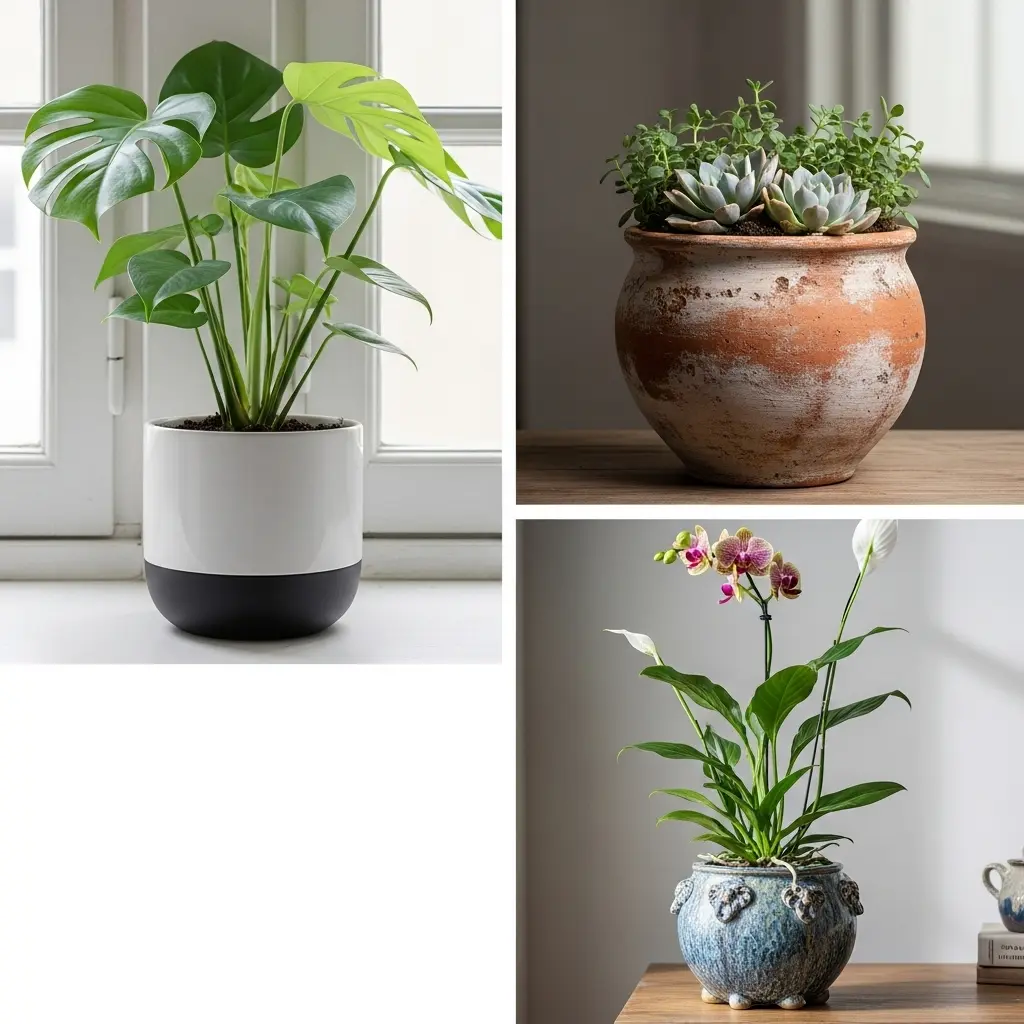
Terracotta or clay:
Perfect for plants that prefer dry spells, like succulents and cacti. These pots breathe well and dry quickly, especially in warm weather. Plus, their earthy tones flatter every shade of green.
Plastic:
Lightweight, affordable, and forgiving. Plastic pots hold moisture longer, which helps when life gets busy. They’re also shelf-friendly and simple to move around.
Ceramic or glazed:
Beautiful and functional. They retain moisture longer than clay and suit larger plants. I water these lightly and keep an eye on moisture levels to prevent soggy soil.
Self-watering planters:
A real game changer for hectic weeks. The reservoir system keeps soil moist without guesswork. Great for humidity-loving plants—just avoid overfilling the base.
Every material has its own “personality.” I match it to what the plant needs first, then make sure it fits the style of my home.
Finding the Perfect Pot Size
Pot size affects drainage, root spread, and overall growth. A pot that’s too small restricts roots, while one that’s too big holds excess moisture.
When I upgrade, I move up just one or two inches in diameter—no more.
Time to repot when:
- Roots peek out from the drainage holes
- Water runs straight through the compacted soil
- The plant starts leaning or feels top-heavy
- Growth slows down despite proper care
Spring and early summer are ideal times to repot—plants are already growing and recover faster.
My Calm, Simple Repotting Routine
Repotting doesn’t have to be messy or stressful. Here’s my easy process:
- Gently remove the plant from its pot.
- Loosen any tightly wound roots with your fingers.
- Add fresh potting mix to the new container.
- Position the plant and fill in around the roots evenly.
- Water lightly so the mix settles around the root ball.
If you want a reliable step-by-step visual, Penn State Extension has a fantastic guide that complements this routine perfectly.
Styling Pots as Part of My Home Decor
Choosing containers is as much about aesthetics as it is about care. I use soft neutrals to keep rooms calm, warm terracotta for cozy tones, and glossy finishes to brighten dark corners.
On my round coffee table, I use small planters for a balanced, layered look. Mixing textures—like matte ceramics, shiny glazes, and woven baskets—adds personality without clutter.
Your pots should support your home’s vibe, not overpower it.
Lessons Learned the Hard Way
I made a few mistakes early on, so you don’t have to:
- Skipping drainage holes (never again)
- Choosing pots way too large
- Ignoring old, compacted soil
- Letting salt and mineral buildup go unchecked
- Prioritizing looks over root comfort
Now I ask three questions before buying any pot:
Does it drain? Is the size practical? Can I easily care for it?
Keeping My Pots Clean and My Plants Healthier
Healthy pots equal healthy roots. Over time, mineral deposits and salts can block airflow. Every few months, I wipe the rims and sides with a mild vinegar-and-water mix.
I also rotate my pots occasionally. Plants grow toward light, so turning them keeps growth balanced and natural. It’s a tiny habit that makes a big difference.
. My Personal Favorite Indoor Plant Pots
These are the types that always earn a spot in my home:
Classic terracotta:
Affordable, breathable, and timeless. Great for roots that need airflow.
Matte ceramic:
Modern, sleek, and ideal for trailing plants or lush greens.
Woven baskets:
Light and cozy. I always place a plastic liner or nursery pot inside to protect the weave.
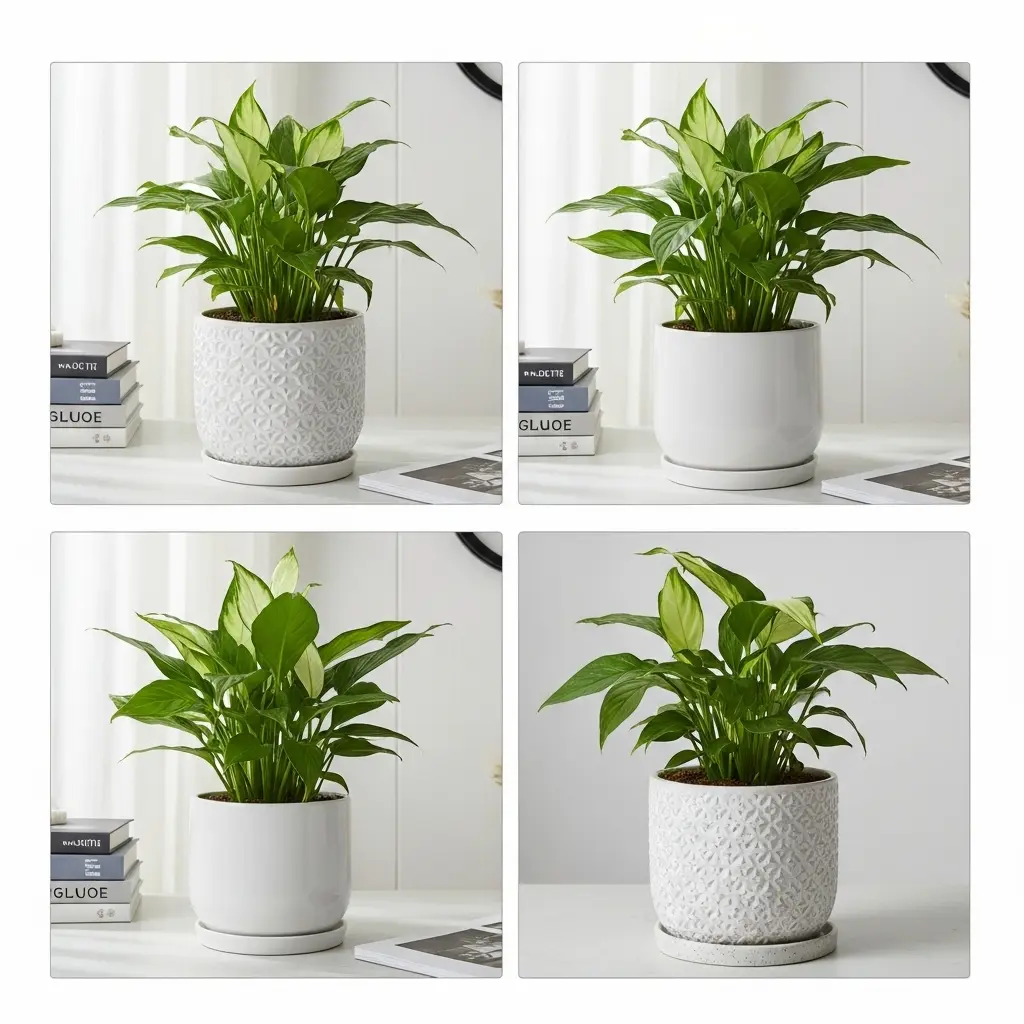
White planters:
Clean, neutral, and effortlessly elegant. They complement any decor style.
Self-watering planters:
Perfect for busy days—consistent moisture without guesswork.
Each one blends design, practicality, and comfort for the plant itself.
The Real Star: Indoor Plant Pots
If there is one key takeaway from this guide, it is that indoor plant pots serve more than just a decorative purpose. They directly affect how roots breathe, how water drains, and how your plant thrives.
A potent pot should:
- Allow excess water to drain easily
- Complement your space without stealing attention
- Make plant care simpler, not harder
A little thought now can save you from root rot, watering stress, and droopy leaves later. Healthy roots mean calm rooms and joyful plants.
12. Quick Q&A: Common Questions I Get
Q: Can I use pots without holes?
A: Yes—but keep your plant in a smaller pot with drainage inside, and empty out any water that collects in the outer pot.
Q: How often should I repot?
A: Roughly once a year, or whenever roots peek out. Spring is the best time.
Q: What’s best for beginners?
A: Terracotta or plastic with drainage holes—affordable, simple, and forgiving.
Q: Does pot color affect plant growth?
A: Not much. Just note that dark pots in sunny spots can warm up faster, so check soil moisture.
Q: Should pot size match plant type?
A:. Fast-growing plants like pothos enjoy little extra room, while slower growers prefer snug roots.
Final Thoughts: Smart Pots, Happy Plants
These days, I choose pots as carefully as I choose plants. Every container has to earn its place—practical, attractive, and root-friendly.
When I water my plants now, I see more than soil and leaves—I see tiny homes built for growth and calm. The right pot keeps care easy, enhances your space, and lets your plants truly flourish. That’s the kind of beauty worth nurturing.