
Wanna know if rucking is bad for your knees? Let’s share my story first. I used to avoid anything with extra weight because I thought it would destroy my joints, especially after hearing about knee issues from heavy military marches.
But when I started rucking the smart way (light load, perfect form), my knees got stronger, my energy levels skyrocketed and I burned fat without the pounding pain of running.
Rucking walking with a loaded backpack (usually 10-30% of your bodyweight) is exploding in popularity in 2026 as a low-impact way to build endurance, strength and toughness. But is rucking bad for your knees? Not necessarily.
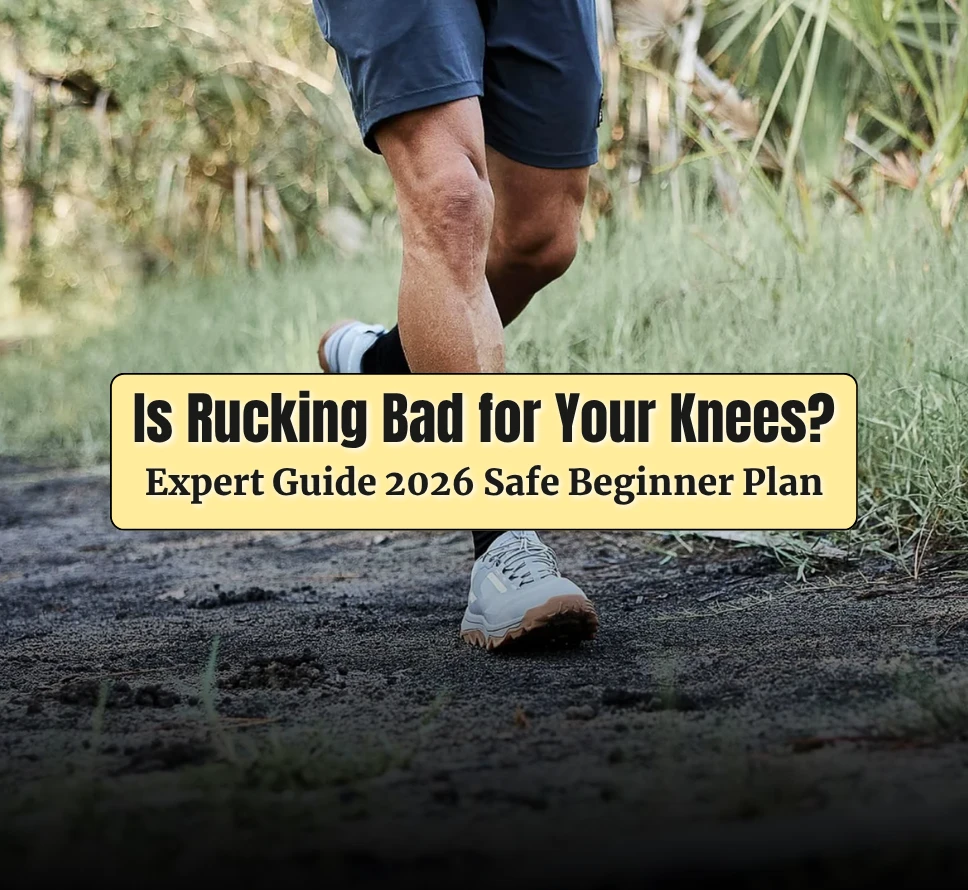
Done wrong (too much weight too fast, bad posture), yes it adds stress. Done right? It actually strengthens your knees and joints more than regular walking.
In this beginner guide, I’ll cover what rucking is, the real benefits (especially for knees), when it can go wrong, how to start safely, a simple 7-day plan, and more. Let’s dive in!
In This Post……
- What Is Rucking? (Weighted Walking Explained)
- Rucking Benefits (Overall & Especially for Knees & Joints)
- Is Rucking Bad for Your Knees? (The Truth About Stress & Impact)
- Is Rucking Bad for Your Back, Hips, Ankles & Other Joints?
- How to Protect Your Knees While Rucking (Beginner Guidelines)
- What to Do If You Feel Knee Pain While or After Rucking
- 7-Day Beginner Rucking Plan (Start Safe & Build)
- Beginner Gear List (Essentials to Get Started)
- Who Should Be Careful or Avoid Rucking
- Frequently Asked Questions
- Final Thoughts
What Is Rucking? (Weighted Walking Explained)
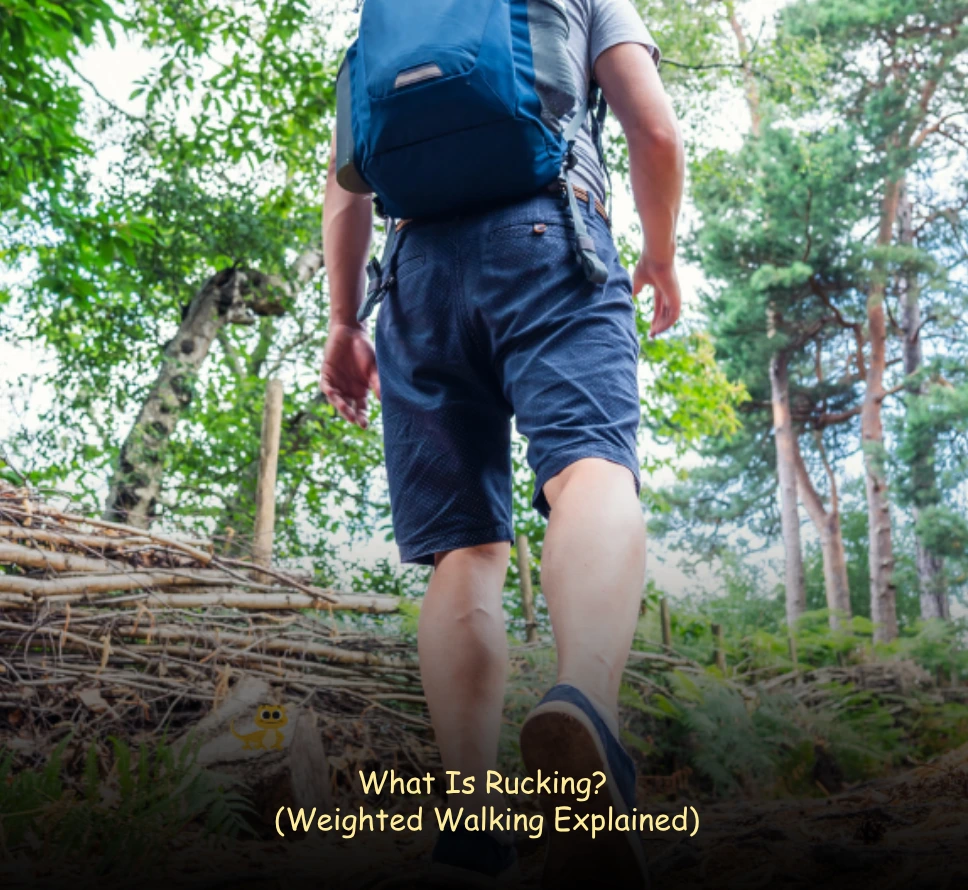
Rucking is walking or hiking with a backpack loaded with weight typically 10-30% of your bodyweight.
It started in military training but now it’s a go-to civilian workout for better cardio, muscle building, and calorie burn without needing a gym.
For beginners: Start at 10% bodyweight to keep joint stress low. Walk at a normal talking pace no rushing. The extra load boosts effort, burns 2-3x more calories than plain walking, and improves posture over time.
Rucking Benefits (Overall & Especially for Knees & Joints)
Is rucking good for your knees? Yes—when you do it correctly, it’s one of the best low-impact ways to support your joints long-term.
1) Stronger Knees & Joint Stability — Builds quads, glutes, and core muscles that protect and stabilize your knees better than ever.
2) Serious Fat Loss & Calorie Burn — Way more calories torched than regular walks, plus muscle gain for faster metabolism.
3) Improved Bone Density — The gentle load helps make bones denser and joints tougher.
4) Better Posture & Core Strength — Forces you to stand tall, reducing back and hip strain.
5) Mental Toughness & Steady Energy — Builds grit and gives consistent energy without crashes.
Many people switch from running to rucking because it’s kinder on knees while delivering similar (or better) results.
Is Rucking Bad for Your Knees? (The Truth About Stress & Impact)
Is rucking bad for your knees? No not if you follow smart rules. It’s low-impact with less joint compression than running or jumping. But heavy loads, bad form, or rushing progression can increase stress on the kneecap area or inner knee.
Common problems come from overuse: patellofemoral pain (front knee ache), strain from uneven terrain, or extra load without building strength first. Studies show heavy rucking raises knee forces, but moderate, gradual civilian rucking rarely causes lasting damage.
Is Rucking Bad for Your Back, Hips, Ankles & Other Joints?
Not really—proper form protects everything. A high, snug pack + tight core keeps your back safe. Strong glutes stabilize hips, and good shoes support ankles. Gradual increases actually make all joints stronger and more resilient.
Factors That Make Rucking Riskier for Knees
- Jumping to heavy weight without building up.
- Long strides, forward lean, or pack bouncing.
- Weak quads, glutes, or core.
- Shoes without cushioning or support.
- Starting on hills, downhills, or uneven ground.
- No rest days leading to overuse.
How to Protect Your Knees While Rucking (Beginner Guidelines)
Follow these to make rucking knee-friendly from day one.
Safe Rucking Weight for Beginners Start at 10% of your bodyweight (e.g., 15-20 lbs if you weigh 180 lbs). Add 5-10% only every 1-2 weeks.
Beginner Rules 20-30 min sessions, 3-4 days per week max. Rest is key for recovery.
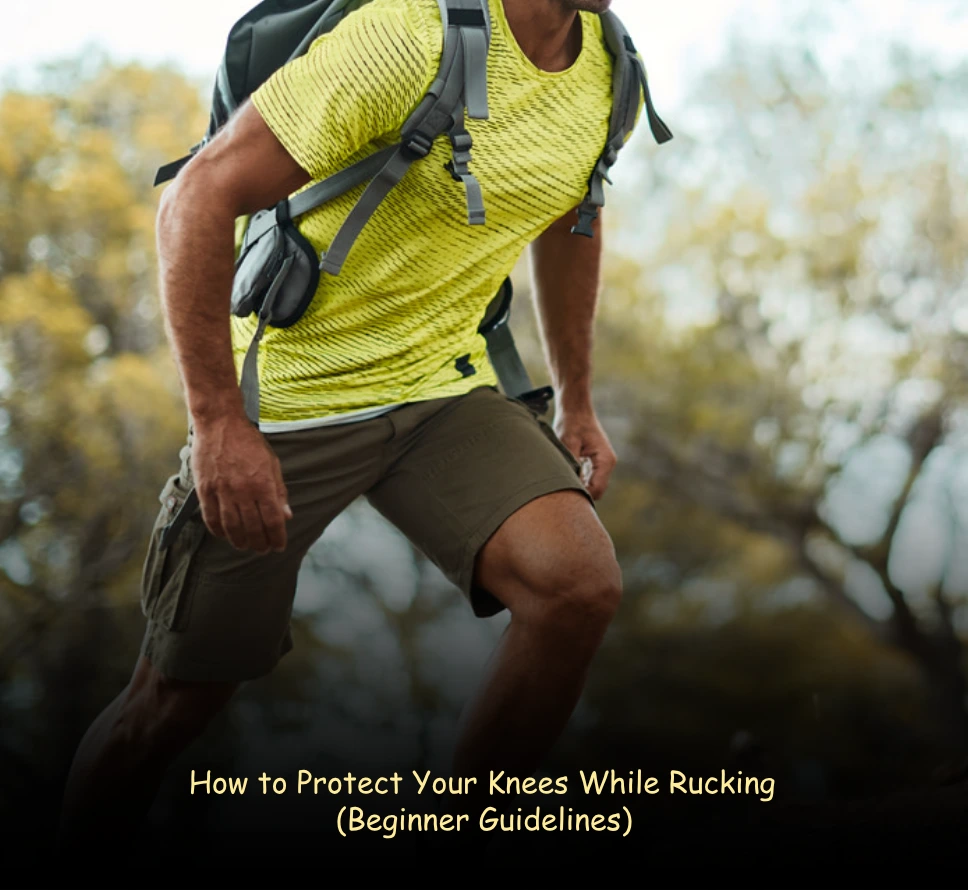
Proper Form Short strides, upright posture, core engaged, slight lean from ankles (not waist). Pack high and close to your spine, no bounce.
Warm-Up & Mobility Glute bridges, hip openers, quad stretches before starting.
Footwear Cushioned trail shoes or boots with great shock absorption.
Terrain Stick to flat ground first. Avoid steep downhills until you’re strong.
What to Do If You Feel Knee Pain While or After Rucking
Stop right away. Check if it’s mild soreness (normal) or sharp pain (stop everything). Use RICE: Rest, Ice, Compression, Elevation. Foam roll tight areas. If pain lasts more than a few days, see a doctor or physical therapist.
Never push through sharp pain; it can turn into chronic issues.
7-Day Beginner Rucking Plan (Start Safe & Build)
Focus on form over weight. Use 10% bodyweight or less. Walk at conversational pace.
Day 1: 20 min flat walk—focus on posture and short strides.
Day 2: Rest or light stretching.
Day 3: 25 min, add small inclines if comfortable.
Day 4: Rest.
Day 5: 30 min, check pack fit and no bounce.
Day 6: Rest.
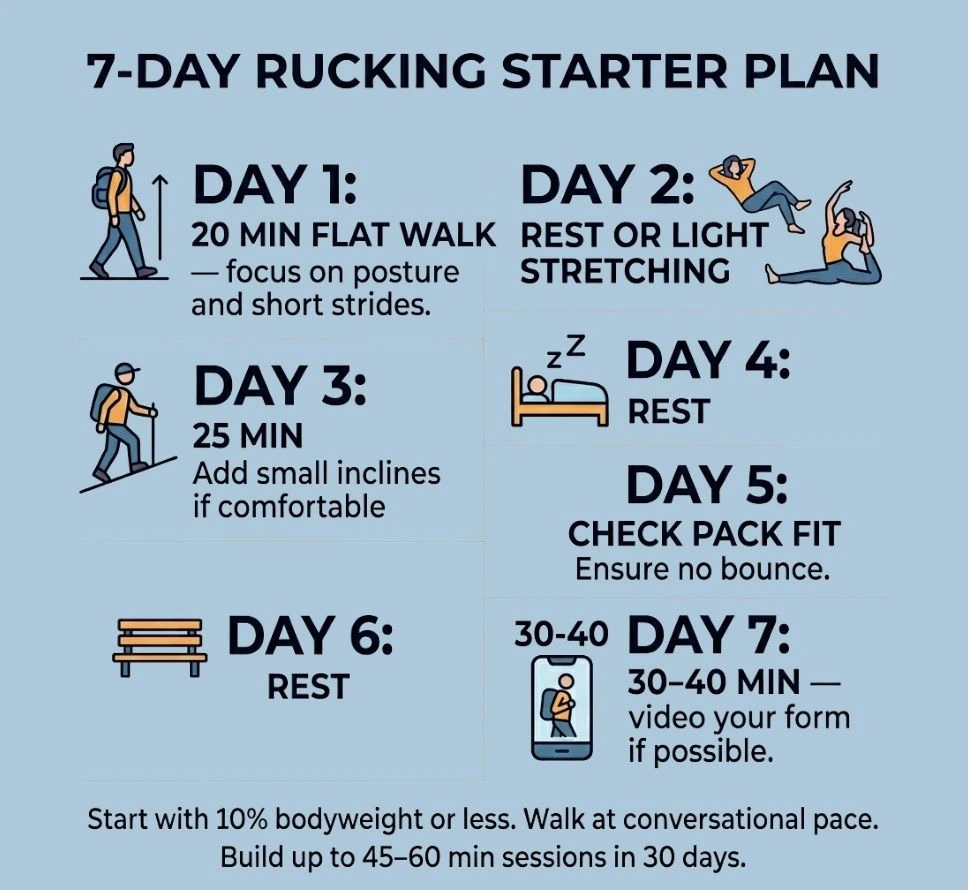
Day 7: 30-40 min video your form if possible to check.
After week 1: Repeat and slowly add time or light weight. For 30 days: Cycle this plan 4 times, building to 45-60 min sessions.
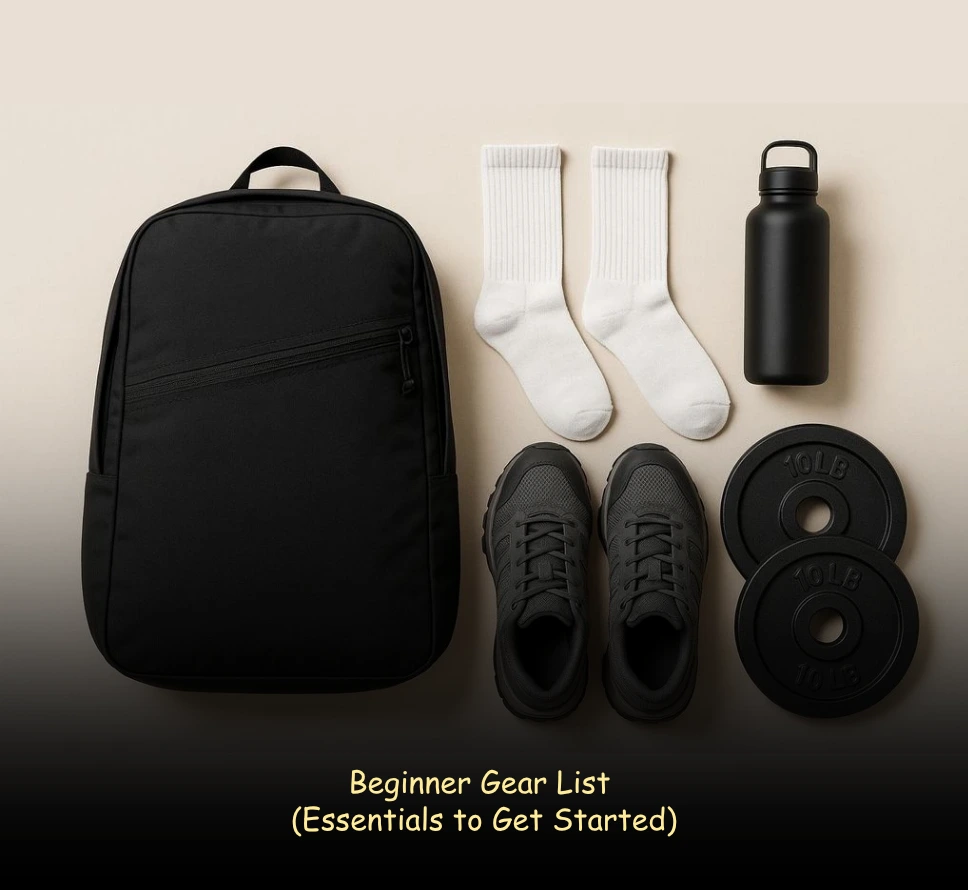
Beginner Gear List (Essentials to Get Started)
- Comfortable backpack with hip belt (GORUCK-style works great).
- Weights (plates, books, or sandbags—secure them tight).
- Cushioned trail shoes or boots.
- Water bottle and electrolytes for longer sessions.
- Optional: Trekking poles for extra knee/ankle support.
Who Should Be Careful or Avoid Rucking
- People with existing knee injuries or osteoarthritis—consult a doctor first.
- Very weak core/legs or poor posture.
- Heart or joint conditions without medical clearance.
- Beginners over 50: Go extra slow and light.
Frequently Asked Questions
Is rucking bad for your knees?
No, it’s low-impact and strengthens joints with proper form and progression.
What to do for knee pain after rucking?
Rest, ice, fix your form/load, and see a pro if it doesn’t improve.
Safe rucking weight for beginners?
10% of body weight increases gradually every 1-2 weeks.
How often should I ruck?
3-4 times per week with rest days in between.
How to prevent knee pain while rucking?
Short strides, strong glutes/quads, good shoes, start flat.
Does terrain affect your knees during rucking?
Yes, downhills and uneven surfaces add extra stress; begin on flat ground.
Final Thoughts
Is rucking bad for your knees? Nope not when you start slow, focus on form, and progress smartly. The benefits (stronger body, fat loss, endless energy, mental wins) far outweigh any risks for most healthy people. Grab a pack, hit the path, listen to your body, and consult a doctor if you have any pre-existing issues.
You’ve got this start today and feel the difference! If you try it, let me know how your first ruck goes.
(Disclaimer: This is for informational purposes only not medical advice. Always consult a healthcare professional before starting any new exercise.)

Leave a Reply