
Do you have trouble understanding rucking vs hiking? Which one do you say is better in terms of fitness? Let me share my story.
I also used to walk regularly, believing that I was keeping myself active.
But, in truth, I did not really feel much more or less of my energy or strength. There were easy days, some days were boring, and I was not seeing any actual progress. One day, I was watching a person with a heavy bag on his shoulders.
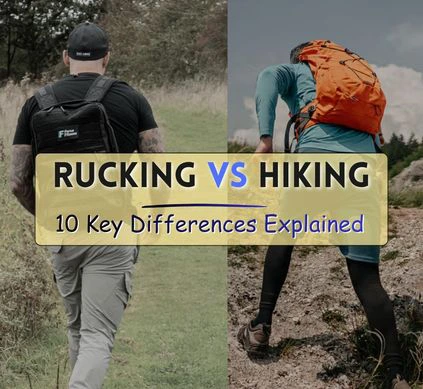
It appeared plain yet mighty. This was the first time I heard of rucking.
Simultaneously, I noticed my habitual walks were more of a hiking activity, particularly when I took a stroll through the trails and parks.
This left me in wonder – what is the actual difference between rucking and hiking?
Rucking is a weight-bearing version of fitness walking. It is intended to help gain strength, lose weight, and increase stamina. Hiking is, however, more about getting out and walking in nature. In this, you view scenery and clear your mind without being lazy. Both are great. They are used, however, for a different end.
In this article, I will describe rucking vs hiking: 10 essential differences using experience and practical experience. By the conclusion, you will have a clear picture of which one would work best with your goals and how to do it. Let’s dive in.
- Rucking involves weight additions to increase strength, stamina, and fat burning. Hiking is oriented towards nature, rest, and mild exercise.
- The additional load makes the rucking more vigorous and consumes more calories. Hiking is an activity with less intensity.
- Rucking requires heavy weighted bag pack and a steady nature, whereas hiking involves light equipment and a slow and flexible gait.
- Choose based on your goal. Rucking is the most effective in terms of fitness, whereas hiking can help to be calm.
In This Post……
Understand Rucking
Rucking is a type of exercise. You move with a burdensome pack on your back. It started in the military. Soldiers made use of it to develop strength and stamina. Today, most of the people do it as a way of being fit.
When you are walking heavily, you are working your body. It burns more calories than usual walking. Rucking is also a muscle-building activity of the legs, back, and shoulders. Your lungs and heart are also made stronger.
It is healthy for fat burning and endurance. You may do it in trails or in the city. It is easy to start. You only need to add a weight and walk. With time, the weight can be added. Rucking is a simple and very effective practice.
Understand Hiking
Hiking is walking in nature. Individuals walk up the hill, through forests, parks, or trails. It is the means of spending time outside and witnessing beautiful sights. Hiking will help one to relax and be at ease. It is also able to make your mind feel better and less stressed.
Although you can have a backpack with you, it is typically light. You just carry stuff you have to, like water, snacks, or a little jacket. Hiking does not require any speed or intense physical activity. It is the act of taking pleasure in the walk and in nature.
Hiking will be simple or a bit demanding. You may either go alone or with your friends. It makes your legs strong, and your heart not old. Hiking is easy and enjoyable. It also leaves you happy and rejuvenated.
Rucking vs Hiking: 10 Key Differences
Walking and being active may be done either through rucking or hiking. They are not the same but different in aims, strength, and equipment. They both have their own advantages to the body and mind.
According to fitness experts;
“If your goal is strength and conditioning, rucking is highly effective. If your goal is relaxation and mental clarity, hiking is unmatched.”
1. Purpose and Goal
Fitness is the primary aim of rucking. It aids in burning fat and gaining strength.
It also improves endurance. People use it as a workout.
Hiking is primarily aimed at enjoying. It makes you unwind and enjoy the natural environment.
It is healthy for your head and spirits.

2. Weight Carried
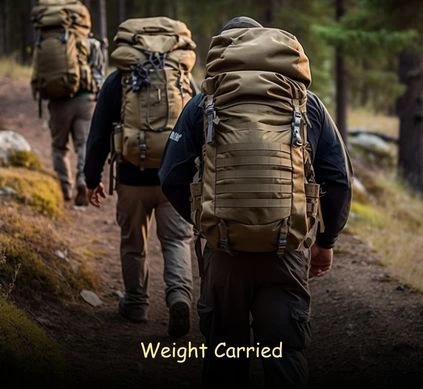
In Rucking, a heavy backpack is used. It can be 10–30 pounds or even more.
The additional weight places an additional burden on your body.
You use a light bag in Hiking. It typically contains snacks, water, and small things.
It is about comfort and not the weight.
3. Rucking vs. Hiking Intensity Level
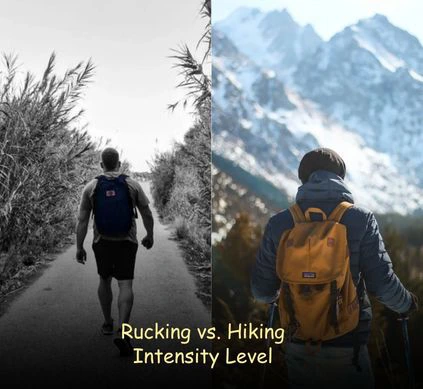
Rucking is also an intense exercise. The weight causes more work in your muscles and heart.
It feels more like a workout. Hiking is low- moderate intensity.
You walk at a relaxed pace. You are able to take a break when necessary.
4. Calories Burned
Rucking burns more calories. The additional load adds to the effort.
It is extremely beneficial for fat burning.
So, when we talk about rucking vs hiking calories burned, the amount of calories burned on hiking is less than the calories burned on rucking.
Nevertheless, it will keep you active and healthy.

5. Physical Benefits
Exercising the legs, back, and shoulders develops firm muscles.
Improves posture. Improves fitness and general power.
Creating a hiking program enhances the health of the heart.
Helps reduce stress. Makes the body active and serves as an aid to fitness.

6. Gear Requirements
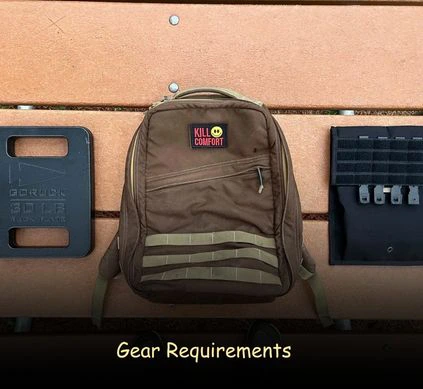
Rucking requires a good backpack that is heavy-weight carrying. Sturdy shoes are valuable for support. Weight plates are also used by some people to increase the weight. The gear is simple but strong.
The shoes must be comfortable for walking long distances while hiking. A water bottle is significant in keeping hydrated.
You can also bring simple things such as snacks, a hat, or a light jacket. It is concentrated on comfort and safety.
7. Terrain Flexibility
Rucking may be performed almost everywhere. Sidewalks, parks, and roads are all functional. You do not even need special places.
Hiking is typically performed in natural regions. Trails, forests, and mountains are the order of the day.
Nature is a significant aspect of the experience.

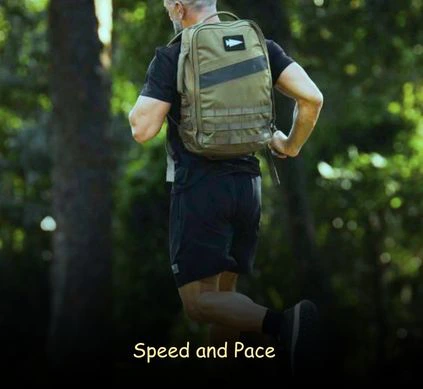
8. Speed and Pace
You walk more quickly in Rucking. The pace is monotonous and concentrated.
The aim is to continue running and get fit.
When you are hiking, you walk at a slower rate. You may pause and take a break from looking.
The aim is to have some relaxation and have a view.
9. Skill Level
Rucking is very easy to start. No special skills are needed. One can start with light-weight and short walks.
There are some rudimentary requirements that may be needed for hiking.
You ought to have the path or a road map. This assists you to be safe more so in new locations.

10. Mental Experience
Rucking emphasizes discipline and hard work. It may be difficult, but it can be gratifying.
It assists in developing mental prowess.
Hiking is centered on peace and tranquility. When out in nature, you can relax.
It refreshes your mind and makes you happy.

Rucking and Hiking: Rapid Comparison Table
| Feature | Rucking | Hiking |
|---|---|---|
| Purpose | Fitness & strength training | Relaxation & exploration |
| Weight Carried | Heavy backpack (10 to 30+ lbs) | Light backpack |
| Intensity Level | High | Low to moderate |
| Calories Burned | High | Moderate |
| Main Benefit | Fat loss & muscle building | Mental health & enjoyment |
| Terrain | Anywhere (roads, parks) | Trails, mountains, forests |
| Gear Required | Weighted backpack | Basic outdoor gear |
| Pace | Fast and steady | Slow and relaxed |
| Skill Level | Beginner-friendly | May need navigation skills |
| Experience Focus | Discipline & workout | Nature & relaxation |
Rucking vs Hiking Results
A good number of individuals have talked about their experience with the two.
For example:
- Fitness enthusiasts say that they lose fat faster and gain strength more quickly when they use rucking.
- Hiking provides mental sharpness and reduces stress, which is emphasized by outdoor enthusiasts.
- Some individuals do both to enjoy and be fit.
In my experience, rucking provides an excellent workout experience, whereas hiking provides a refreshing intellectual workout.
FAQs For Rucking vs Hiking
1. What is the major distinction between rucking and hiking?
Rucking is about fitness. In this, one walks to gain strength and stamina with the weight added. Whereas hiking is about being on a path to enjoy nature, clear the mind, and exercise without much physical effort.
2. Which is more effective in rucking vs hiking for weight loss?
Yes, rucking burns more calories with weight, and thus it is more effective in fat loss. Hiking is also effective for weight loss, but at a slower rate due to its lower intensity.
3. Are you able to march and walk side by side?
Yes, you can take a mix of both, which is by adding weight to your hiking habit. This provides a harmonious workout that allows physical strength advantages and also mental relaxation by nature.
4. Which is more effective in burning calories: Rucking or hiking?
The additional weight makes rucking more calorie-burning as the weight makes the exercise more intense and demanding. Hiking does not burn as many calories, yet it remains healthy in terms of cardiovascular fitness and overall fitness.
5. What are places to do rucking and hiking?
Rucking may be completed anywhere, such as on the road, in a park, or on the sidewalk. Hiking is usually done on trails, mountains, or in forests, where you can experience the unadulterated environment.
Final Thoughts
Hiking and rucking are also excellent activities to do. They resemble each other, though they have other purposes. Rucking is superior in terms of strength, fat loss, and endurance. Hiking is ideal when one wants to unwind, breathe fresh air, and have a peaceful mind. Choose what fits your needs. It is also possible to combine the two to balance. Keep it simple and remain regular. Ultimately, they all make you feel better, healthier, stronger, and happier.

Leave a Reply