
Rucksack and backpack sound the same. But using them feels completely different.
A light backpack for daily stuff feels fine. But when I tested a 15-kilo load, everything changed. My shoulders felt it. The way the bag sat was different. Even grabbing gear got harder. That’s when I realized the difference isn’t just about words. It’s about how the bag works under stress.
I’ve seen people use the terms interchangeably, especially in the US and UK. Some say they’re the same. Others insist there’s a big difference.
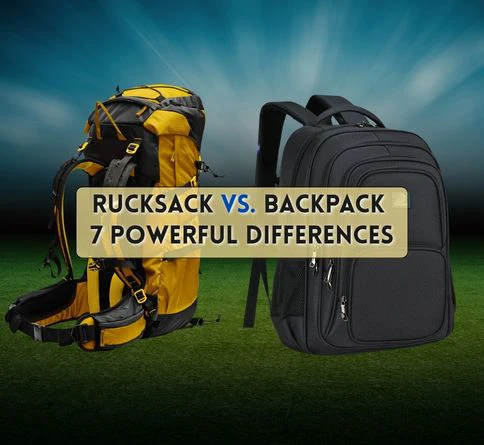
So what is the real difference between a rucksack and a backpack?
A backpack is created for daily use. It organized compartments and quick access. A rucksack is more rugged. It’s top-loading style designed for heavier loads and outdoor use.
I’ll break down what actually sets them apart. When to use each. How your choice changes comfort and performance.
Key Takeaways
- A backpack is best for daily use, organization, and quick access
- A rucksack is better for heavy loads, durability, and outdoor use
- The difference becomes clear when you carry more weight
- Your choice should depend on how and where you actually use it
In This Post……
What Is a Backpack?
A backpack is simply a bag you carry on your back using two shoulder straps. It’s made for everyday convenience. Easy to open, easy to organize, and comfortable for lighter loads.
Key Features:
What stands out to me is the simplicity. Backpacks just work.
- Zipper compartments so you can grab things quickly
- Laptop sleeves to keep your device safe
- Lightweight materials like nylon or polyester
What Is a Rucksack?
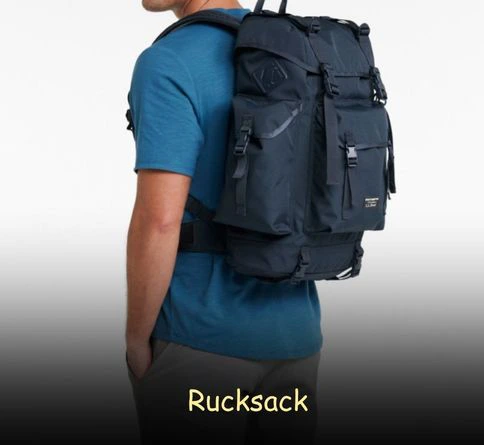
A rucksack is basically a tougher backpack. It’s built for heavy loads. You’ll spot them on hikes, camping trips, or anywhere you need something that can take a beating.
I wondered where the name came from. Turns out, rucksack is just German for back bag. Makes sense, right? These are built for strength and function, not for everyday convenience.
Key Features:
You notice the difference right away.
- Top-loading design with a drawstring and flap instead of zippers
- Larger capacity so you can carry bulkier gear
- External pockets for quick access to essentials
- Durable materials built to handle rough use:
- canvas
- waxed canvas
- leather
In my experience, a rucksack isn’t about staying organized. It’s about hauling real weight and not worrying if it gets roughed up.Rucksack vs Backpack for Different Use Cases
Here’s what I’ve noticed. Backpacks are perfect for everyday stuff. Quick trips. Light loads. Easy to grab and go. But when you need to carry more, or deal with rougher conditions, a rucksack steps up. It’s built for the heavy lifting. In a moment, I’ll show you exactly when to pick each one.
Rucksack vs Backpack for School and College
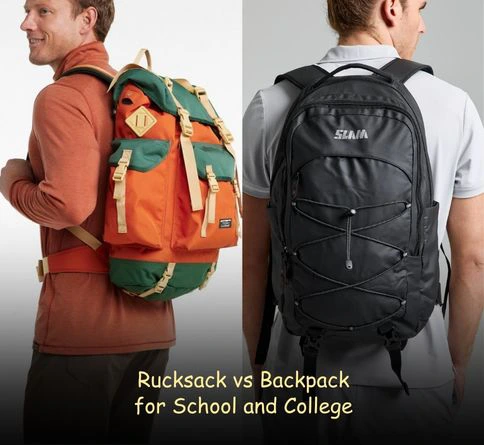
I’ve used both for school. The backpack wins, hands down. Books, laptop, chargers, water bottles, everything fits where it should. With all the compartments, I can grab what I need fast. No digging around. No wasted time between classes. The rucksack? Not so much. Just one big compartment, so everything ends up jumbled. I kept digging for pens or chargers, and that gets old fast in class.
Quick summary:
- Backpack: Best for staying organized, carrying your laptop, and daily routines
- Rucksack: Handles bulk, but not great for school where you need structure
Rucksack vs Backpack for Travel
Traveling with a backpack just makes life easier.
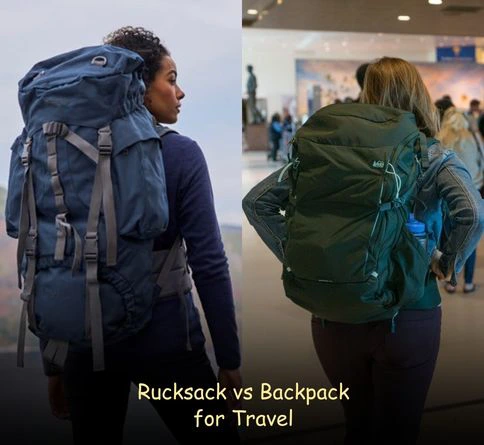
I can open it fast, grab my passport or laptop, and get through security without hassle. When you’re moving nonstop, staying organized saves time and stress at every checkpoint. But for long trips or hauling bulky gear, the rucksack wins on space. I can fit more, but it takes longer to find what I need. That trade-off shows up every time.
Quick summary:
- Backpack: Best for quick access, staying organized, and smooth travel
- Rucksack: Packs more gear, but slower to access
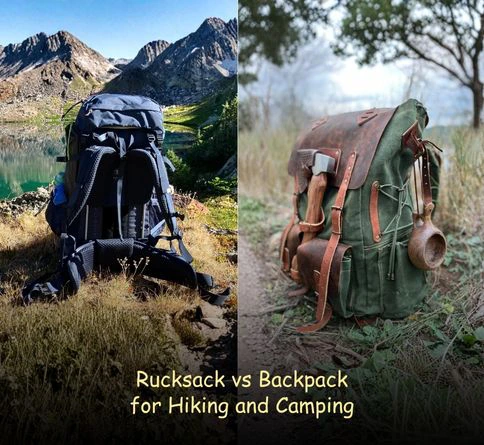
Rucksack vs Backpack for Hiking and Camping
For short hikes or day trips, I stick with a backpack. Water, snacks, jacket, easy. It’s comfortable and quick to grab what I need. No hassle when I’m moving fast.
But when I load up for real camping clothes, food, gear, the rucksack takes over. It handles weight and rough trails without breaking down. More space. More durability. That’s what matters outdoors.
Quick summary:
- Backpack: Great for light hikes and short trips
- Rucksack: Best for heavy loads, durability, and longer outdoor trips
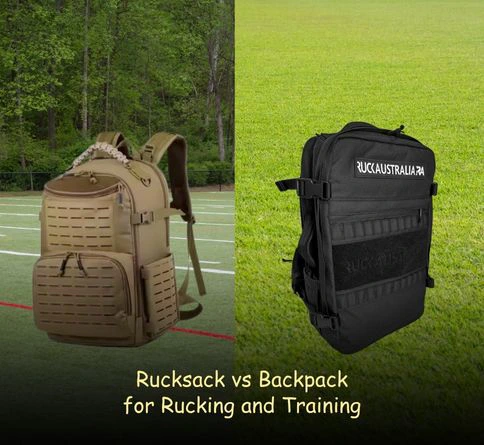
Rucksack vs Backpack for Rucking and Training
I tried rucking with a regular backpack. It works at first, but the weight shifts and digs in. After a few miles, it gets uncomfortable. Longer sessions turn into a struggle.
Switching to a rucksack changed everything. The weight sits naturally and feels balanced. My workouts got tougher, especially on longer routes. I burned more calories and finished feeling stronger.
Quick summary:
- Backpack: Fine for light training, but lacks stability.
- Rucksack: Better load balance, more natural carry, and a bigger training impact
Rucksack vs Backpack (Side-by-Side Comparison)
After testing both options in real-world situations, the differences are clear. Backpacks are ideal for everyday use and lighter loads. Rucksacks are built for heavier gear and more demanding environments. Use this table to match your choice to your actual needs.
| Feature | Backpack | Rucksack |
|---|---|---|
| Use | School, travel, laptop | Hiking, camping, rucking |
| Access | Zippers | Drawstring + flap |
| Organization | High | Low |
| Load capacity | Medium | High |
| Comfort (light loads) | Better | Good |
| Heavy load performance | Limited | Strong |
| Style | Urban, modern | Vintage, tactical |
FAQs
What is the difference between a rucksack and a backpack?
A backpack is a general everyday bag with zippers and compartments. A rucksack is a more rugged, top-loading style designed for heavier loads, often used for hiking, camping, or military purposes.
What does the military call their backpacks?
The military usually calls them “rucks” or “rucksacks.” They are built for durability, heavy loads, and long-distance carrying during training or operations.
What is a rucksack used for?
A rucksack is used for carrying heavy or bulky gear, especially during hiking, camping, travel, or rucking workouts where durability and capacity matter.
Can a backpack cause sciatica?
Yes, if it’s too heavy or worn improperly. Poor weight distribution or carrying excessive load can strain your lower back and potentially trigger sciatica symptoms.
What is the 20% rule for backpacking?
The 20% rule suggests your pack weight should not exceed 20% of your body weight to avoid excessive strain and reduce the risk of injury.
Do Americans say rucksack or backpack?
In the US, “backpack” is more common. “Rucksack” is used less often and usually refers to outdoor or military-style bags.
Rucksack pronunciation
Rucksack is pronounced as “ruck-sak.” The first part sounds like “truck” without the “t.”
Final Verdict
If you want convenience, organization, and quick access, a backpack is the better choice. It fits everyday use without any hassle. But if you’re carrying real weight and need durability, a rucksack performs better. It’s built for load, not just comfort.
Once you carry real weight, the difference becomes obvious.

Leave a Reply