Thinking about trying a vegan diet but not sure where to start? You’re not alone. Many people are now turning to plant-based eating to feel healthier, lose weight, and live more sustainably. A vegan diet focuses on foods that come from plants, like fruits, vegetables, whole grains, nuts, and seeds while avoiding all animal products.
This guide will help you understand what a vegan diet is, how it works, and why it’s a great choice for beginners. You’ll also learn what to eat, what to avoid, how it helps in weight loss, and even get a simple 7-day sample meal plan to kickstart your journey.
In This Post……
What Is the Vegan Diet?
A vegan diet is an eating plan that completely excludes all animal-based products. Unlike vegetarians who may still eat eggs or dairy, vegans avoid anything that comes from animals — including milk, cheese, yogurt, butter, honey, and even gelatin.
The main goal of the vegan lifestyle is to get all your nutrients from plant-based sources. People choose this diet for different reasons: improving health, supporting animal rights, or protecting the planet.
Plant-based diets are rich in vitamins, minerals, antioxidants, and fiber. These nutrients help your body stay strong, improve digestion, and support long-term health when balanced properly.
Types of Vegan Diets
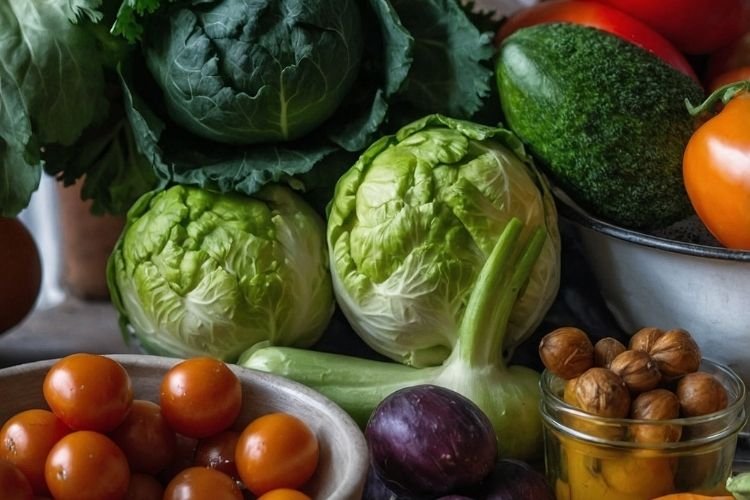
There isn’t just one type of vegan diet — you can adjust it based on your goals and lifestyle. Here are some of the most common types:
- Whole-Food Vegan Diet
Focuses on eating natural, unprocessed plant foods like fruits, vegetables, beans, lentils, nuts, and whole grains. - Raw-Food Vegan Diet
Involves eating mostly raw fruits, vegetables, nuts, and seeds. Some people lightly cook their food below 118°F (48°C) to preserve nutrients. - Junk-Food Vegan Diet
Includes processed vegan alternatives like mock meats, vegan burgers, fries, and desserts. It’s convenient but not always healthy if eaten often. - High-Carb, Low-Fat Vegan Diet
Emphasizes whole grains, fruits, and vegetables while keeping fats (like oils and nuts) low. Popular among those focused on energy and endurance. - Raw Till 4 Vegan Diet
A mix of raw and cooked foods mostly raw fruits and veggies until 4 PM, then a cooked plant-based dinner.
How Vegan Diets Can Help You Lose Weight
One of the biggest reasons people switch to veganism is for weight loss and it works! Vegan diets are naturally lower in calories because they’re packed with fiber-rich foods that help you feel full for longer.
Fruits, vegetables, legumes, and grains provide slow-digesting carbs and high fiber that help control appetite. Plant-based meals also cut down on saturated fats found in animal products, which supports better heart health.
When you eat more whole, nutrient-dense foods, your body gets the energy it needs without the extra calories — leading to natural, steady weight loss.
Pro Tip: Drink plenty of water throughout the day. Staying hydrated boosts digestion, helps burn fat more efficiently, and keeps your metabolism active.
A Vegan Diet Food List: What to Eat and Avoid A Healthy Plant-Based Diet
Foods to Eat
- Fruits: Apples, bananas, berries, oranges, mangoes, grapes
- Vegetables: Spinach, broccoli, carrots, kale, zucchini, peppers
- Whole Grains: Oats, quinoa, brown rice, barley, millet
- Legumes: Lentils, beans, chickpeas, peas
- Nuts and Seeds: Almonds, chia seeds, flaxseeds, walnuts, sunflower seeds
- Plant-Based Proteins: Tofu, tempeh, seitan, edamame
- Healthy Fats: Olive oil, avocado, nut butter, coconut oil
Foods to Avoid
- Meat and poultry
- Fish and seafood
- Eggs
- Honey
- Processed foods with animal-based ingredients (like gelatin or whey)
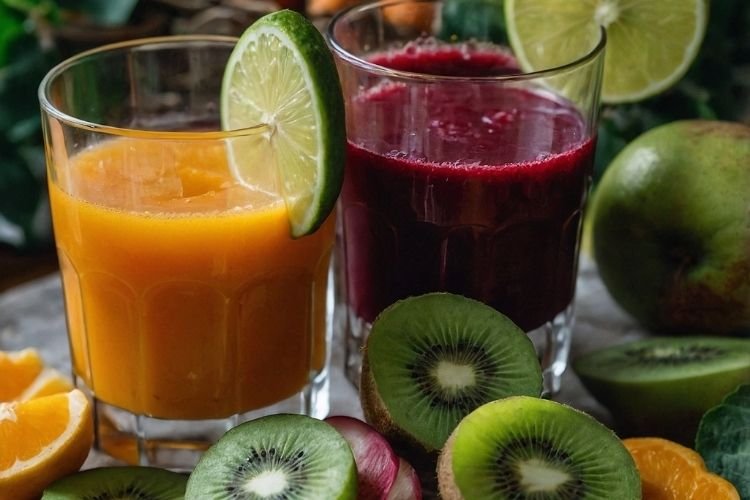
Vegan Sample Menu for Plant-Based Meal Ideas for one weak
Here’s a simple meal plan to get you started — perfect for beginners!
This plan is flexible mix and match meals or snacks to your taste.
Health Benefits of Vegan Diets
Switching to a vegan diet offers many proven health benefits:
- Supports Weight Loss
High-fiber foods help control hunger and reduce calorie intake naturally. - Improves Heart Health
A vegan diet lowers bad cholesterol and helps maintain healthy blood pressure. - Better Digestion
Fiber from plants supports a healthy gut and reduces constipation. - Boosts Energy
Whole plant foods provide steady energy without sugar crashes. - Reduces Risk of Chronic Diseases
Studies show vegan diets can lower risks of type 2 diabetes, heart disease, and certain cancers.
FAQ
- Can I get enough protein on vegan diet?
Yes! Vegan protein sources include lentils, beans, tofu, tempeh, edamame, and quinoa. - Is a vegan diet good for weight loss?
Absolutely. Vegan diets are rich in fiber and low in processed fats, which helps manage weight naturally when combined with exercise. - How do I make sure I get enough nutrients?
Eat a variety of fruits, vegetables, grains, and proteins. Consider B12 and vitamin D supplements, as these are harder to get from plants. - Can anyone follow a vegan diet?
Yes, but if you have specific health conditions, talk to your doctor or a nutritionist before making big changes to your diet.
Final Thoughts
Starting a vegan diet might feel challenging at first, but it’s easier than it looks and incredibly rewarding. It helps your body stay healthy, supports weight loss, and makes a positive impact on the planet.
The key is balance: eat a mix of fruits, vegetables, whole grains, and plant-based proteins. Keep meals simple, drink plenty of water, and focus on whole foods instead of processed ones.
With time, eating vegan will become second nature and your body will thank you for it!’
Ready to Start Your Vegan Journey?
Begin implementing these vegan diet strategies today and experience the positive changes in your health, energy, and overall wellbeing. Your plant-based future starts now!

Leave a Reply