
Some people lose 2 to 5 kg in the first few weeks on a carnivore diet. That kind of fast change gets attention. You have probably seen before and after photos and 30-day results.
Carnivore diet weight loss works by cutting carbs, lowering insulin, and helping your body burn fat.
Many diets fail because of hunger and cravings together with their excessive restrictions. I finally had a solution to that very problem I had encountered before, and it turned out to be a solution which was simpler and more effective.
So, does carnivore diet weight loss really work?
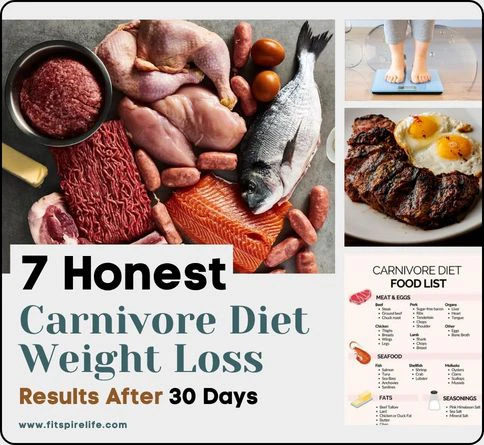
Yes, but only if you follow it the right way and avoid common mistakes.
In this guide, I will break down how it works, what to expect week by week, and how to avoid stalls. You will also see simple plans and real results. If you are exploring other options, you may have seen gelatin weight loss recipes, jello weight loss recipes, or protein powder for weight loss.
Key takeaways
- The carnivore diet helps burn fat by cutting carbs.
- Hunger drops, making it easier to eat less.
- Results start fast, then become steady.
- Simplicity is the key to long-term success.
In This Post……
- What Is a Carnivore Diet
- How a Carnivore Diet Causes Weight Loss
- Carnivore Diet Weight Loss Timeline
- Week 1: Rapid Drop
- Week 2–3: Hunger Drops
- Week 4: Visible Changes
- Month 2–3: Steady Fat Loss
- How Much Weight Can You Lose
- Real Results: What Changes First on Carnivore
- Why People Stall on Carnivore
- Simple Carnivore Diet Plan
- Foods to Eat / Avoid on a Carnivore Diet
- Benefits of the Carnivore Diet
- Risks of the Carnivore Diet
- FAQs
- Final Thoughts
What Is a Carnivore Diet
The carnivore diet is a zero-carb diet where you eat only animal foods like meat, fish, eggs, and some dairy.
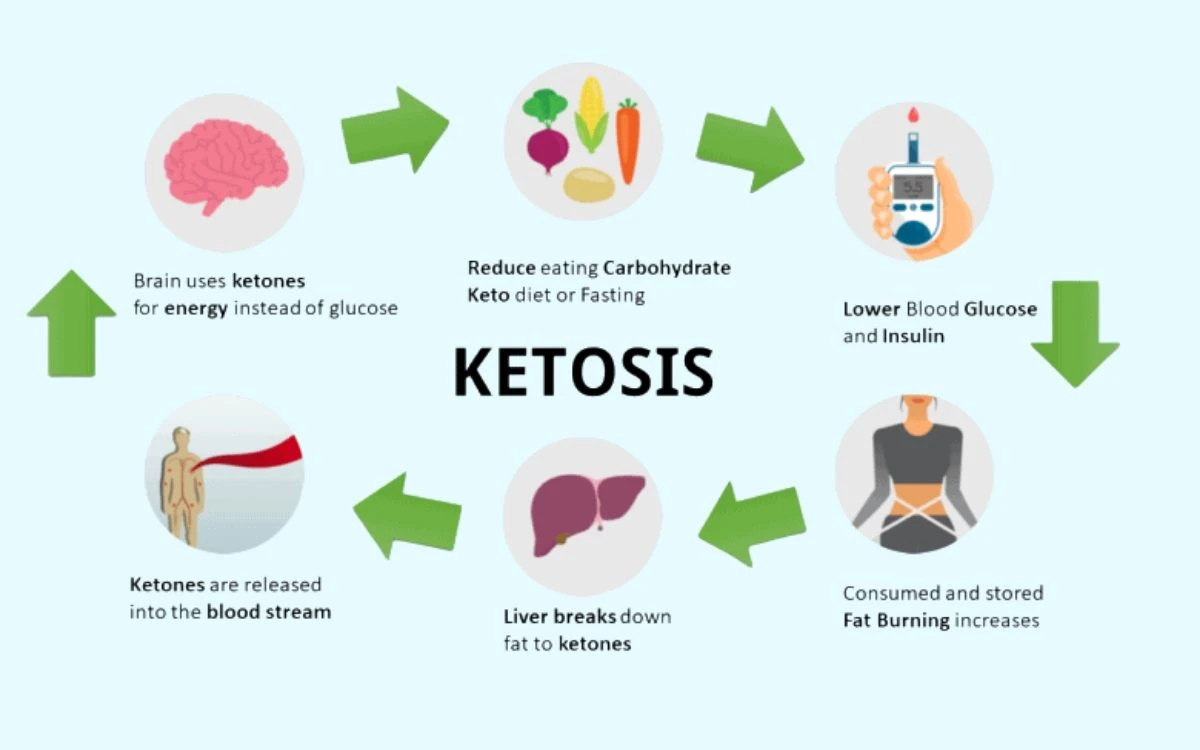
When the diet puts your body in a state of ketosis, burning fat instead of carbohydrates becomes possible. This is when your body takes up fat reserves for energy.
In many cases, it forms an elimination diet, which stipulates the removal of plant foods that most people may feel could cause bloating, fatigue, or cravings.From my experience, it felt simple but strict. I noticed fewer cravings and more stable energy, but it takes discipline.
As Shawn Baker says, “Eliminating carbs can help some people improve metabolic health.” Experts say results vary, and long-term effects are still debated.
Quick takeaway
- Pure animal foods, zero carbs, fat-burning mode activated
How a Carnivore Diet Causes Weight Loss
Weight loss happens because your body burns fat, your hunger drops, and your insulin stays low.
Ketosis → Fat Burning
When I cut carbs, my body moved into ketosis. Instead of using glucose, it started burning fat for energy. After a while, I felt more fat and my energy became steady.
Protein Satiety → Less Hunger
The biggest change for me was protein satiety. Eating meat and eggs kept me full for hours. I naturally ate less without counting calories or forcing it.
Insulin → Easier Fat Loss
Lower carbs helped keep my insulin low. This made it easier for my body to release stored fat. It also helped with insulin resistance over time.
In the first week, I saw a quick drop on the scale. Most of it was water weight as glycogen levels dropped. As Shawn Baker says, “When insulin stays low, the body can access fat more easily.”
Quick takeaway
- Fat burning increases, hunger drops, and weight loss becomes easier.
Carnivore Diet Weight Loss Timeline
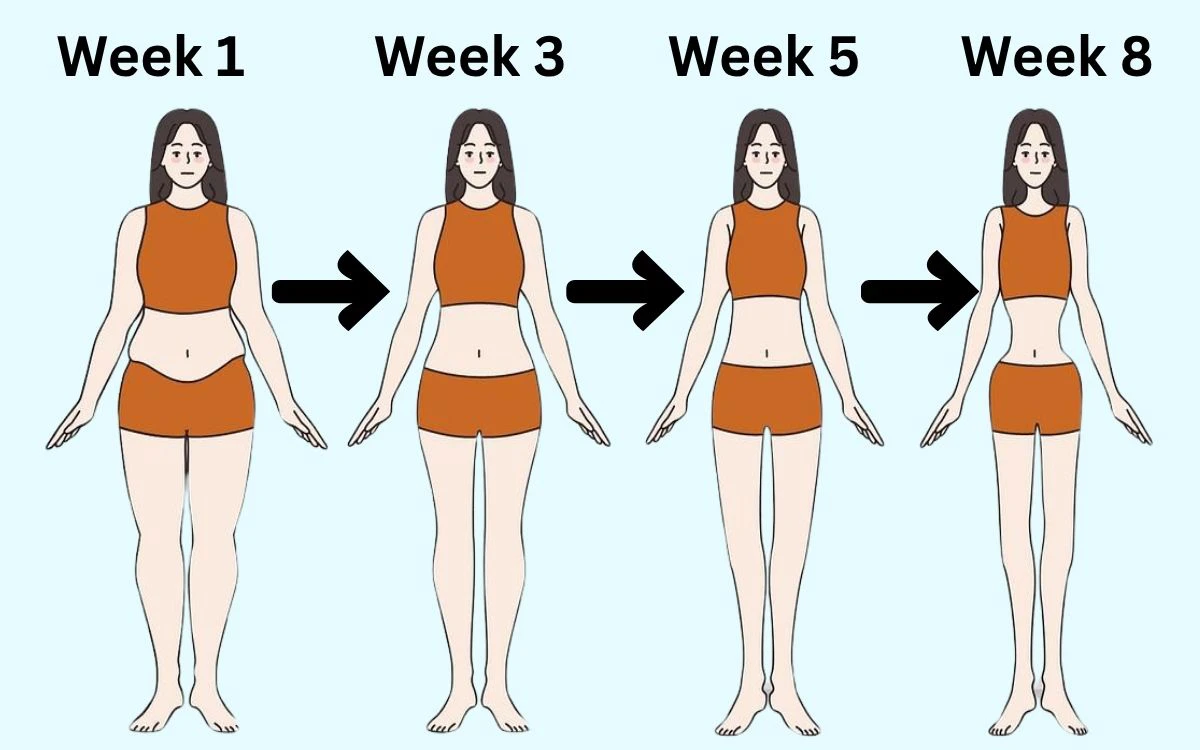
The carnivore diet weight loss timeline starts with fast water loss, then moves into steady fat burning over time.
Week 1: Rapid Drop
Most weight lost is water.
- Glycogen drops
- Water loss increases
- Scale moves fast
From my experience, this felt exciting, but I knew it was not pure fat yet.
Week 2–3: Hunger Drops
Your appetite starts to calm down.
- Protein keeps you full
- Snacking reduces
- Fat burning increases
This is when I felt more stable energy and fewer cravings.
Week 4: Visible Changes
Real body changes begin to show.
- Belly starts shrinking
- Clothes feel looser
- Fat loss becomes visible
This is what many call “carnivore diet results in 30 days.
Month 2–3: Steady Fat Loss
Fat loss becomes slower but more real.
- Body uses fat efficiently
- Progress becomes consistent
- Results feel more sustainable
From my experience, this stage needs patience, but it brings the best results.
Quick takeaway
- Fast start, then steady fat loss over time
How Much Weight Can You Lose
Most people lose 1–3 kg in the first week, then 0.5–1 kg per week, reaching around 3–8 kg in 30 days.
First Week → Fast Drop
Weight loss is quick at the start.
- 1–3 kg loss is common
- Mostly water weight
- Glycogen stores empty
From my experience, this felt dramatic but I knew it was not all fat.
After Week 1 → Steady Fat Loss
Progress becomes slower but more real.
- 0.5–1 kg per week
- Fat loss replaces water loss
- Hunger becomes easier to manage
This stage felt more sustainable for me.
30 Days → Real Results
Visible changes start to show.
- 3–8 kg total loss
- Belly and waist begin to shrink
- Results depend on starting weight
Higher weight usually means faster early results.
As Shawn Baker says, “Fat loss becomes easier when hunger is controlled and insulin stays low.”

Quick takeaway
- Fast first-week drop, then steady weekly fat loss
Real Results: What Changes First on Carnivore
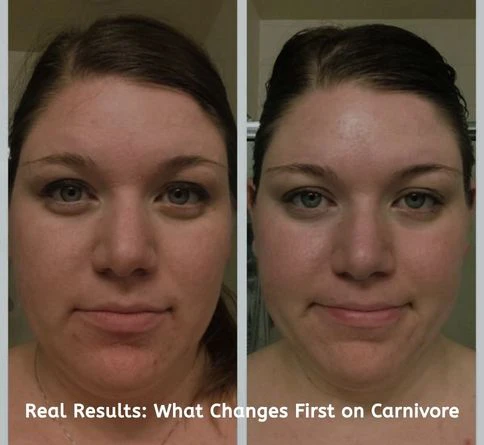
Real carnivore diet results often show early face slimming, followed by belly fat loss and better appetite control over time.
A well-known case from the carnivore community is Mikhaila Peterson. She reported noticeable changes in her carnivore diet before and after, starting with reduced bloating in the first weeks, then visible fat loss over the next months.
From my experience, it followed a similar pattern. First, my face leaned out due to water loss. Then, around week 3–4, my waist started shrinking. The biggest shift was appetite.
I stayed full longer and stopped snacking.
These carnivore diet results are common because low carbs reduce insulin and stabilize energy.
Quick takeaway
- Real change = face first, belly next, hunger drops
Why People Stall on Carnivore
A carnivore diet weight loss stall happens when habits stop your body from burning fat efficiently.
From my experience, stalls are not random. They usually come from a few small mistakes.
- Too much fat → easy to overeat calories
- Too much dairy → slows fat loss and increases cravings
- Constant snacking → blocks fat burning between meals
- Not enough protein → more hunger and less satiety
- Hidden carbs → sauces and processed meats slow progress
I noticed my progress slowed when I added extra butter and snacked too often. Once I fixed that, results picked up again.
Quick takeaway
- Too much fat and poor habits can stop fat loss.
Simple Carnivore Diet Plan
A carnivore diet plan works best when meals are simple, consistent, and built around meat, eggs, and water.
1-Day Carnivore Diet Meal Plan
- Breakfast: 3–4 eggs with ground beef
- Lunch: Ribeye or sirloin steak with salt
- Dinner: Chicken thighs or salmon
From my experience, eating like this kept me full and reduced cravings without effort.
4-Week Starter System
Week 1: Keep it simple
- Meat, eggs, salt, water
Week 2: Adjust portions
- Eat based on hunger
- Reduce snacking
Week 3: Fix slow progress
- Cut back on dairy
- Avoid extra fat
Week 4: Stay consistent
- Repeat foods that work
- Focus on routine
From my experience, repeating the same meals made everything easier to follow. As Paul Saladino says, “Keep your food simple and nutrient-dense.”
Quick takeaway
- Simple meals + consistency = better results
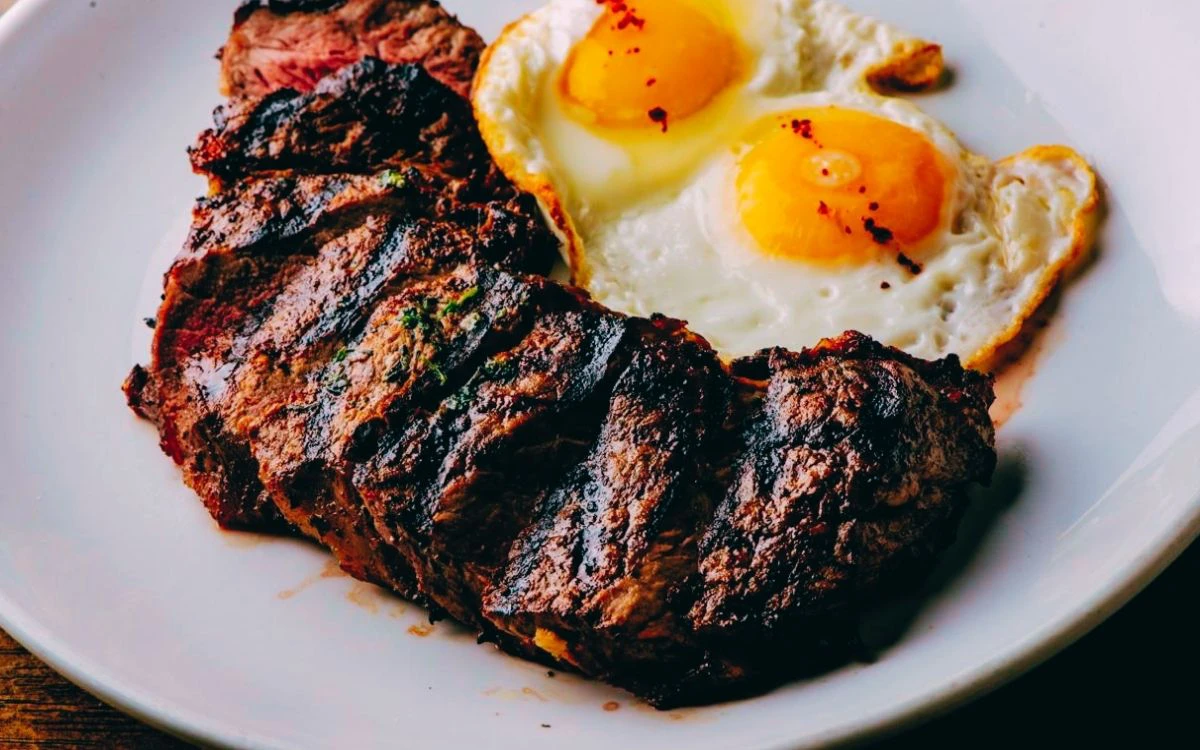
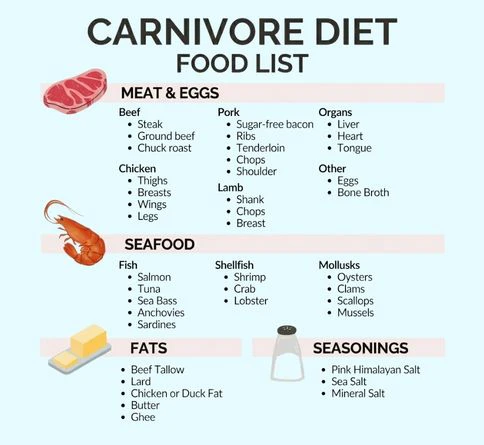
Foods to Eat / Avoid on a Carnivore Diet
On a carnivore diet, you eat only animal foods and avoid all carbs and processed foods.
Eat (carnivore diet food list)
- Beef (grass-fed if possible)
- Eggs
- Fish
- Animal fat
Avoid
- All carbs (grains, fruits, vegetables)
- Processed foods
From my experience, keeping food choices this simple made everything easier. I focused on meat and eggs and stopped overthinking meals. When I added processed foods, my cravings came back fast, so staying strict really helped.
Quick takeaway
- Simple animal foods only = better control and results.
Benefits of the Carnivore Diet
The carnivore diet offers fast weight loss, fewer cravings, and more stable energy.
- Fast weight loss → Cutting carbs lowers insulin and helps burn fat
- Reduced cravings → High protein keeps you full longer
- Stable energy → No sugar spikes or crashes during the day
- Elimination diet benefits → Removing foods may reduce bloating and triggers
From my experience, fewer cravings made the biggest difference. I stayed full longer and stopped thinking about food all day. My energy also felt more stable once I adjusted.
Risks of the Carnivore Diet
The carnivore diet can work, but I noticed it also comes with some clear risks.
- Nutrient gaps → I may miss vitamins like vitamin C and folate
- No fiber → My digestion can slow or feel uncomfortable
- Hard to sustain → It feels very restrictive over time
From my experience, the hardest part was not starting. It stayed consistent for months. It can feel limiting in daily life and social situations.
FAQs
How much weight can I lose?
Most people lose 1–3 kg in the first week, then 0.5–1 kg per week. Results depend on consistency and starting weight.
How long will it take to lose 20 pounds?
It usually takes 4–8 weeks. Early loss is faster from water, then slows to steady fat loss.
Will I lose belly fat?
Yes, but later. Belly fat drops after a few weeks as overall body fat decreases.
Does carnivore work?
Yes, it can work by reducing carbs and hunger. Results depend on how strictly you follow it.
Final Thoughts
The carnivore diet works for weight loss, but only if I do it right.
It cuts carbs, lowers insulin, and helps burn fat. From my experience, simple meals made the biggest difference. Meat, eggs, and water helped me stay consistent and control cravings.
I avoid common mistakes. I do not overeat fat or rely too much on dairy. I focus on protein and eat when I am hungry.
Consistency matters most and building strong healthy lifestyle habits alongside this diet makes the difference long-term. It feels strict, but simple habits lead to better results over time.

Leave a Reply