
If you’re searching for the best Hawaiian food, you’ll quickly discover it’s much more than poke bowls and shaved ice.
Traditional Hawaiian cuisine combines Native Hawaiian ingredients like taro, seafood, pork, and tropical fruits with culinary influences from Japan, China, Portugal, Korea, and the Philippines, creating one of the world’s most unique food cultures.
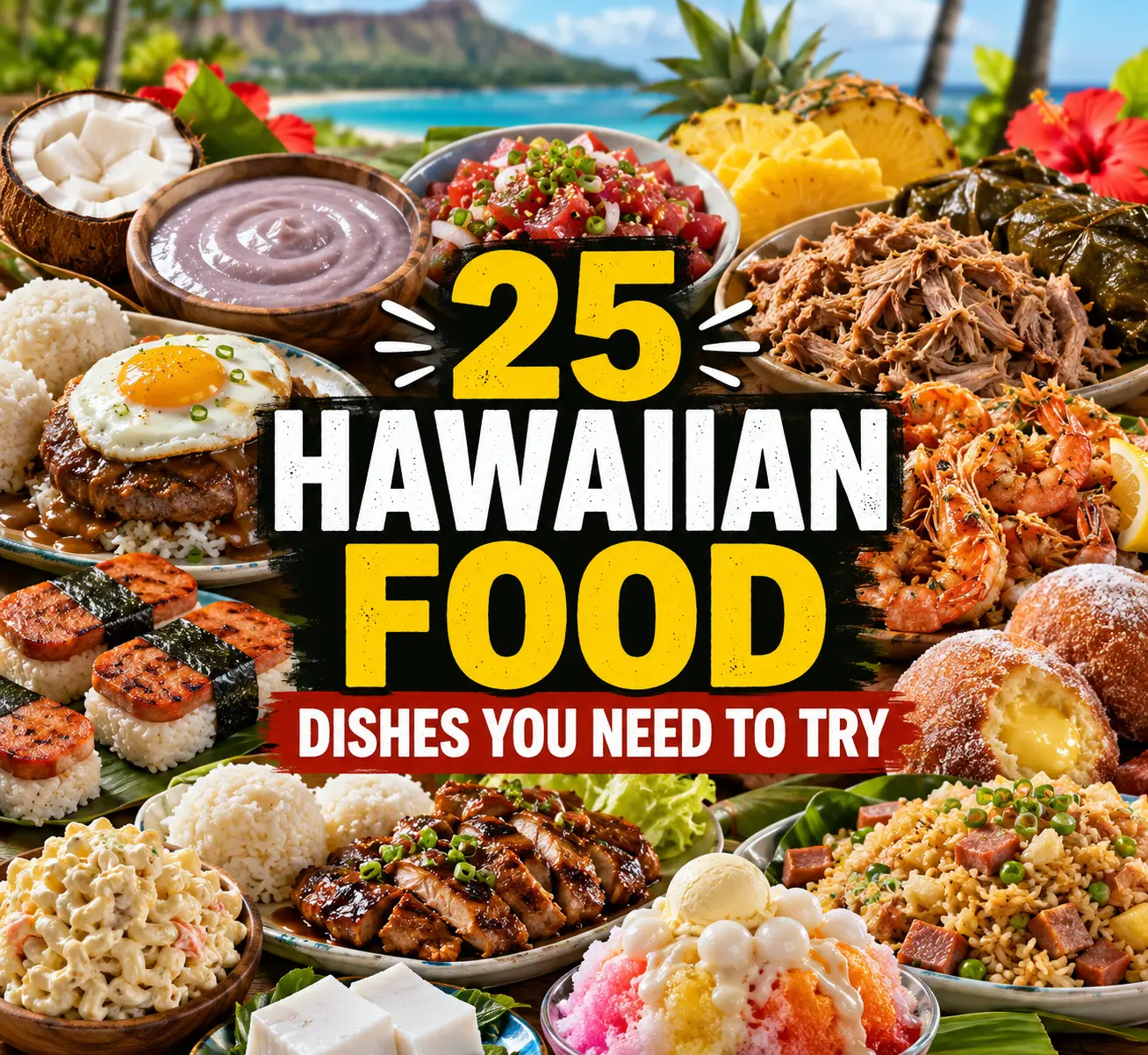
Whether you’re planning a Hawaiian vacation or exploring authentic hawaiian food recipes at home, this guide introduces 25 iconic dishes that showcase the islands’ rich history, local ingredients, and unforgettable flavors.
If you enjoy fresh seasonal cooking, you’ll also love these healthy summer meals for easy everyday inspiration.
Key Takeaways
- Discover 25 must-try Hawaiian dishes.
- Learn traditional and modern island favorites.
- Explore authentic hawaiian food recipes.
- Find famous hawaiian desserts to try.
- Experience authentic hawaii food beyond poke.
In This Post……
- 25 Hawaiian Food Dishes You Need to Try at Least Once
- What Is Hawaiian Food?
- 1. Poi
- 2. Kalua Pig
- 3. Laulau
- 4. Poke
- 5. Loco Moco
- 6. Chicken Long Rice
- 7. Huli Huli Chicken
- 8. Spam Musubi
- 9. Lomi Lomi Salmon
- 10. Hawaiian Plate Lunch
- 11. Hawaiian Macaroni Salad
- Why It’s Different
- 12. Shoyu Chicken
- 13. Saimin
- Popular Toppings
- 14. Manapua
- 15. Malasadas
- 16. Haupia
- 17. Garlic Shrimp
- 18. Ahi Tuna Steak
- 19. Hawaiian Fried Rice
- Quick Ingredient Guide
- Frequently Asked Questions About Hawaiian Food
- Final Thoughts
25 Hawaiian Food Dishes You Need to Try at Least Once
| Dish | Category | Best For | Traditional? |
|---|---|---|---|
| Poi | Staple | Authentic Hawaiian meals | ✅ Yes |
| Kalua Pig | Main Dish | Luaus & family dinners | ✅ Yes |
| Laulau | Main Dish | Traditional feasts | ✅ Yes |
| Poke | Seafood | Light lunches | Traditional with modern variations |
| Haupia | Dessert | ✅ Yes |
What Is Hawaiian Food?
Hawaiian food combines traditional Native Hawaiian ingredients with culinary influences from Asia, Europe, and the Pacific, resulting in a vibrant cuisine built around fresh seafood, tropical produce, rice, pork, and locally grown staples.
At a Glance
- Rooted in Native Hawaiian traditions.
- Influenced by many global cultures.
- Features fresh seafood and tropical produce.
- Includes both traditional and modern dishes.
- Perfect for every type of food lover.
Hawaiian food refers to both traditional Native Hawaiian cuisine and the multicultural dishes that evolved throughout Hawaii’s history. Ancient Hawaiians relied on taro, sweet potatoes, breadfruit, seafood, coconuts, and pork, while later immigration introduced Japanese, Portuguese, Chinese, Korean, and Filipino flavors that shaped today’s island cuisine.
1. Poi
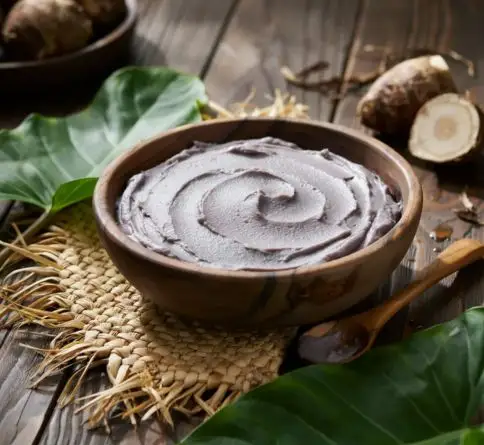
Poi is the foundation of authentic Hawaiian cuisine. Made by pounding cooked taro root into a smooth paste, it has a mild flavor that pairs beautifully with savory meats and seafood.
Unlike rice or mashed potatoes, poi carries centuries of Native Hawaiian tradition in every bite. Once you get used to its unique texture, it becomes surprisingly comforting.
Why you’ll love it
- Naturally gluten-free
- Rich in complex carbohydrates
- Traditionally served with nearly every Hawaiian feast
Special Tip: Fresh poi tastes much milder than aged poi, making it perfect for first-time visitors.
2. Kalua Pig
Few dishes capture the spirit of a Hawaiian celebration like Kalua Pig. Traditionally cooked for hours inside an underground imu oven, the pork becomes incredibly smoky, juicy, and tender. Modern slow cookers can recreate much of that magic, but the authentic preparation remains unforgettable.
Unlike ordinary pulled pork, Kalua Pig relies on simple seasoning and slow cooking rather than heavy barbecue sauce.
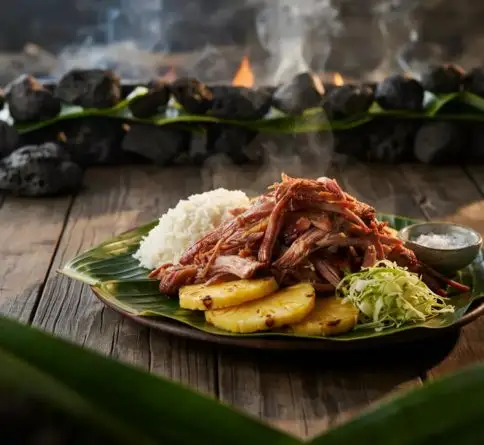
It is perfect if you enjoy rich comfort food with authentic island heritage.
3. Laulau
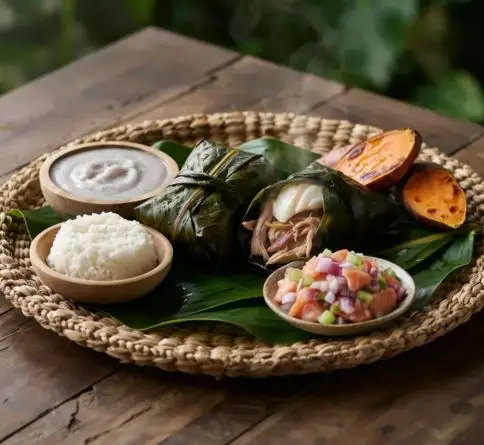
Laulau looks simple from the outside, but it’s one of Hawaii’s most treasured traditional dishes. Pork, chicken, or fish is wrapped inside taro leaves before being steamed until everything becomes melt-in-your-mouth tender.
Instead of overpowering spices, the leaves naturally infuse the meat with earthy flavor.
This is one dish every visitor should experience at a traditional Hawaiian luau.
4. Poke
Fresh poke has become famous worldwide, but authentic Hawaiian poke remains something special. Cubes of fresh ahi tuna are tossed with soy sauce, sesame oil, seaweed, onions, and seasonings for a refreshing seafood dish.
Unlike heavily customized mainland poke bowls, traditional poke focuses on letting high-quality fish shine.
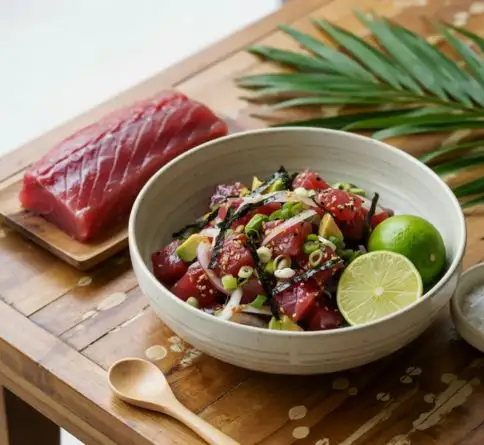
It makes an excellent healthy lunch packed with lean protein, especially if you’re looking for healthy summer food recipes that feature fresh ingredients.
Popular varieties
- Ahi poke
- Salmon poke
- Octopus (tako) poke
- Spicy poke
5. Loco Moco
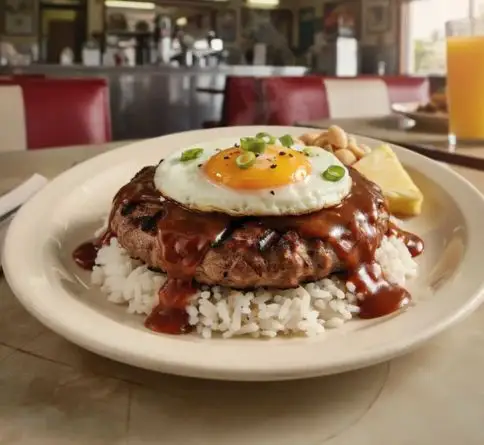
Loco Moco is pure comfort food. A bed of steamed rice is topped with a hamburger patty, brown gravy, and a fried egg that creates a rich, satisfying meal.
While it may sound simple, the combination is surprisingly addictive.
If you’re craving hearty hawaii food, this classic never disappoints.
6. Chicken Long Rice
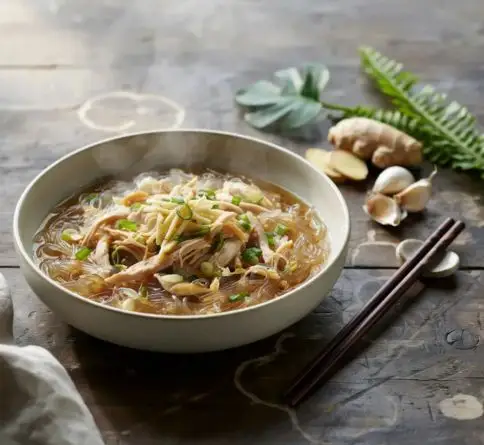
Despite its name, Chicken Long Rice contains no rice at all. The dish combines shredded chicken with transparent bean-thread noodles simmered in a flavorful ginger broth.
Its delicate flavors make it a refreshing contrast to richer Hawaiian meals.
Many locals consider it one of the most underrated traditional dishes.
7. Huli Huli Chicken
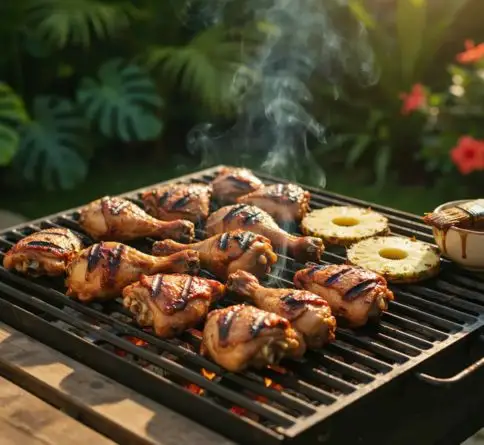
The secret behind Huli Huli Chicken is its sweet-savory marinade and constant turning over an open flame. “Huli” means “turn” in Hawaiian, describing how the chicken cooks evenly while developing beautifully caramelized skin.
It’s a backyard barbecue favorite throughout the islands.
Many home cooks include it among their favorite hawaiian recipes because it’s easy to prepare on a grill while delivering authentic island flavor.
8. Spam Musubi
Spam Musubi perfectly represents Hawaii’s multicultural food scene. A slice of grilled Spam sits atop rice and is wrapped with nori seaweed, creating a portable snack that’s surprisingly satisfying.
Although inspired by Japanese sushi, it has become uniquely Hawaiian over decades.
Whether you’re grabbing breakfast or heading to the beach, Spam Musubi is hard to beat.
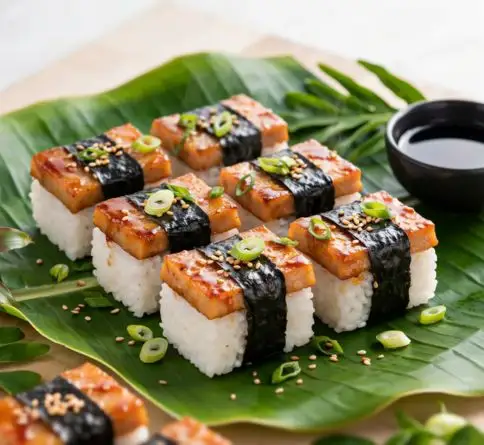
Its portability and simple ingredients have made it one of the most recognizable snacks in modern Hawaiian cuisine.
9. Lomi Lomi Salmon
Lomi lomi salmon brings freshness and color to a plate filled with rich, slow-cooked food. Salted salmon is gently mixed with diced tomatoes, sweet onions, and green onions until the ingredients become juicy and flavorful. The cool, slightly salty mixture balances hearty dishes like kālua pig and laulau, making it a staple at traditional Hawaiian feasts. If you want to experience authentic island flavors, this refreshing side dish is a must-try.
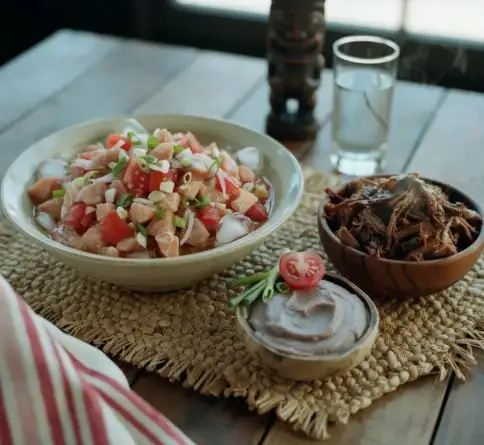
Special Tip: Chill lomi lomi salmon for at least an hour before serving to allow the flavors to fully develop.
10. Hawaiian Plate Lunch
A Hawaiian plate lunch is one of the best ways to experience authentic hawaii food in a single meal.
Traditionally, it includes two scoops of steamed rice, creamy macaroni salad, and a generous serving of meat such as teriyaki beef, chicken katsu, mahi-mahi, or kālua pork. Every bite offers a balance of textures and flavors that reflects Hawaii’s multicultural culinary heritage.
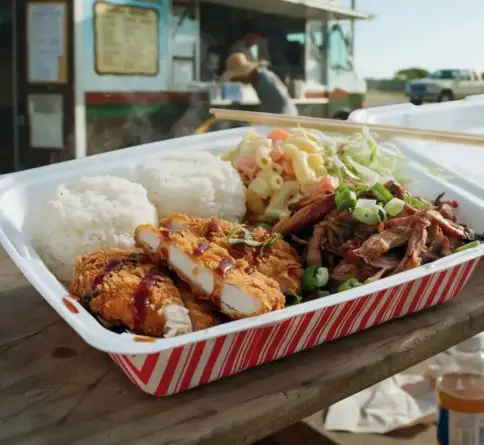
| Plate Component | Common Choices |
|---|---|
| Rice | Two scoops of white rice |
| Side | Hawaiian macaroni salad |
| Protein | Chicken katsu, teriyaki beef, kālua pork, mahi-mahi |
| Optional | Gravy or cabbage |
Whether you’re visiting a local lunch shop or recreating the meal at home, the Hawaiian plate lunch perfectly represents everyday island comfort food.
11. Hawaiian Macaroni Salad
Hawaiian macaroni salad may look simple, but it’s one of the defining side dishes found alongside countless island meals. The pasta is cooked until soft before being tossed with a creamy mayonnaise dressing, grated onion, carrots, and simple seasonings. Unlike traditional American pasta salad, Hawaiian macaroni salad is intentionally rich and silky, making it the perfect companion to grilled meats and rice.
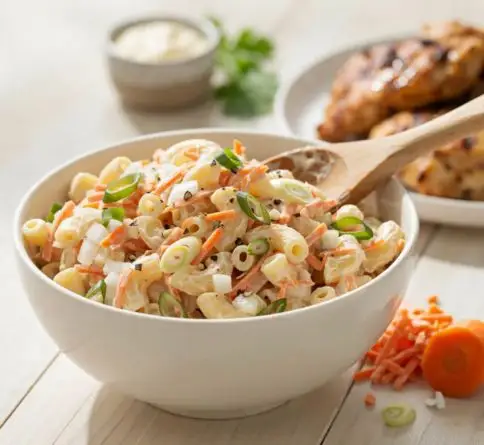
Why It’s Different
- Extra creamy texture
- Soft-cooked macaroni
- Mild sweetness
- Perfect with barbecue or grilled meats
Special Tip: Prepare it a day ahead so the dressing fully absorbs into the pasta.
12. Shoyu Chicken
Shoyu chicken transforms everyday ingredients into one of Hawaii’s most comforting meals. Chicken slowly simmers in soy sauce, ginger, garlic, sugar, and onions until it becomes incredibly tender while the sauce develops a deep savory-sweet flavor. Unlike barbecue chicken, shoyu chicken relies on gentle braising rather than grilling, creating juicy meat that’s perfect over steamed rice.
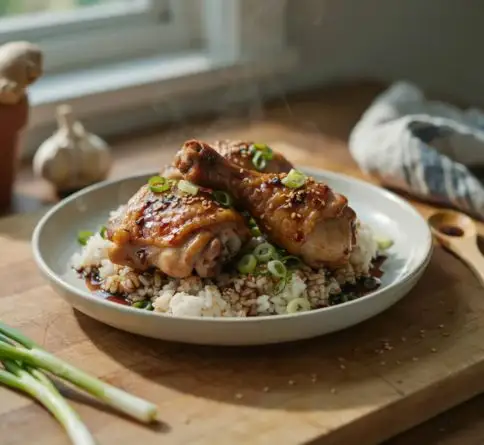
Many families consider it one of the easiest hawaiian recipes to prepare because the ingredient list is simple and the cooking process is forgiving.
13. Saimin
Saimin is Hawaii’s signature noodle soup and one of the islands’ ultimate comfort foods. Springy noodles are served in a light, flavorful broth and topped with ingredients like fish cake, green onions, char siu pork, egg, or Spam. Although it shares similarities with Japanese ramen and Chinese noodle soups, saimin has developed into a distinctly Hawaiian dish over generations.
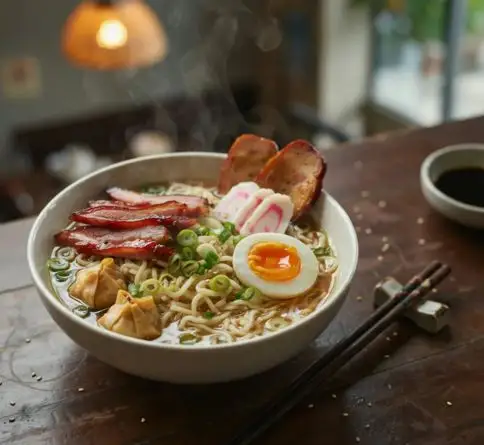
Popular Toppings
- Fish cake (kamaboko)
- Char siu pork
- Green onions
- Soft-boiled egg
- Spam
- Wontons
Its light broth makes it an excellent meal any time of year.
14. Manapua
Manapua is Hawaii’s version of the Chinese bao bun, featuring fluffy dough wrapped around savory fillings.
The traditional filling is sweet barbecued pork, but bakeries throughout Hawaii also offer chicken, curry, vegetables, and dessert variations. It’s an easy handheld snack that’s perfect for breakfast, lunch, or an afternoon treat.
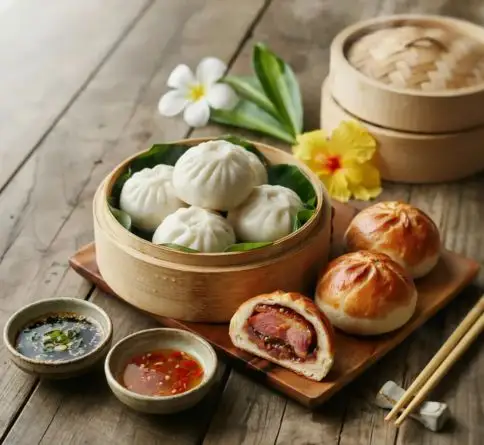
Two common styles include:
- Steamed Manapua – Soft, moist, and traditional.
- Baked Manapua – Golden brown with a slightly sweeter crust.
If you’re exploring local bakeries, this is one snack you shouldn’t miss.
15. Malasadas
Fresh malasadas are among the most beloved hawaiian desserts. If you have a sweet tooth, don’t miss these yummy desserts for even more delicious treats. These Portuguese-inspired doughnuts are deep-fried until golden before being coated in sugar while still warm. Unlike traditional frosted doughnuts, malasadas rely on their soft interior and crisp exterior to deliver incredible flavor.
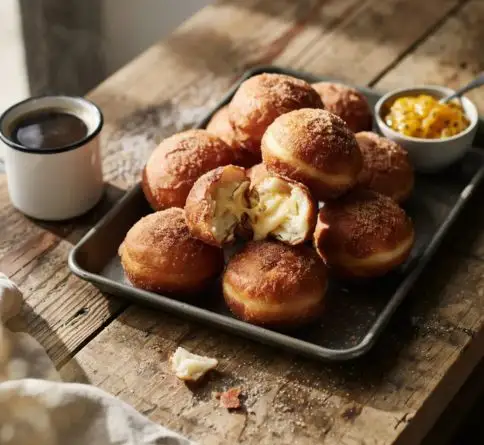
Today, many bakeries also fill malasadas with:
- Haupia cream
- Chocolate
- Vanilla custard
- Guava
- Lilikoi (passion fruit)
Special Tip: Eat malasadas immediately after they’re made for the best texture and flavor.
16. Haupia
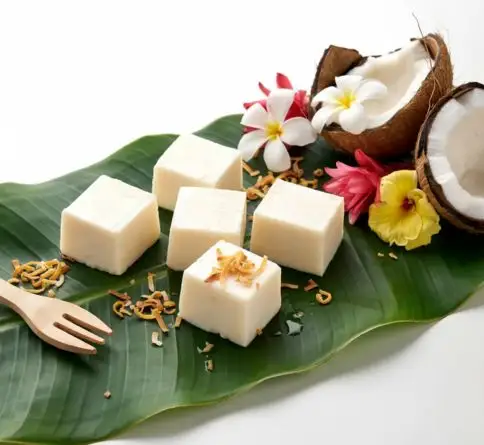
Haupia is a classic coconut dessert that has remained popular in Hawaii for generations. Made primarily with coconut milk, sugar, and starch, it has a texture somewhere between pudding and gelatin.
The clean coconut flavor makes it one of the lightest hawaiian desserts, especially after enjoying rich dishes like kālua pig or loco moco.
| Ingredient | Purpose |
|---|---|
| Coconut milk | Rich coconut flavor |
| Sugar | Gentle sweetness |
| Cornstarch | Thickens the dessert |
| Water | Creates smooth consistency |
Today, haupia also appears in pies, cakes, pastries, and ice cream, but the traditional chilled squares remain the most authentic way to enjoy this island favorite.
17. Garlic Shrimp
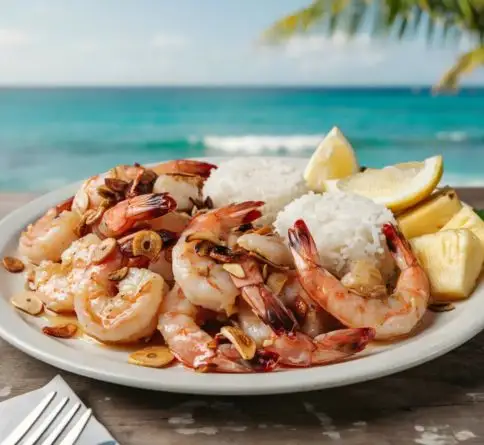
Garlic shrimp is one of the first dishes many visitors search for after arriving on Oʻahu’s North Shore. Large shrimp are sautéed in generous amounts of butter, fresh garlic, and a touch of lemon until they become juicy and fragrant. Unlike heavily breaded fried seafood, this dish allows the shrimp’s natural sweetness to remain the star. If you enjoy seafood with bold flavor and simple ingredients, garlic shrimp deserves a place near the top of your must-try list.
Why it’s so popular
- Fresh, juicy shrimp
- Rich garlic-butter sauce
- Quick and simple preparation
- Perfect with steamed rice
Special Tip: Spoon the remaining garlic butter over the rice rather than leaving it behind.
18. Ahi Tuna Steak
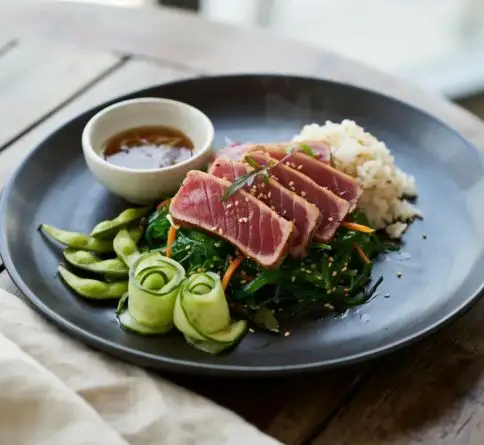
Fresh ahi tuna steak showcases Hawaii’s seafood with very little preparation. The tuna is usually lightly seasoned and quickly seared, leaving the center tender and naturally rich. Unlike fish cooked until completely firm, seared ahi retains a delicate texture that works well with soy sauce, sesame, rice, and crisp vegetables. It is an excellent choice for seafood lovers who prefer clean flavors without heavy sauces.
For the best results
- Use fresh, properly handled ahi tuna
- Sear the outside briefly
- Add sesame seeds for texture
- Serve with rice or seaweed salad
19. Hawaiian Fried Rice
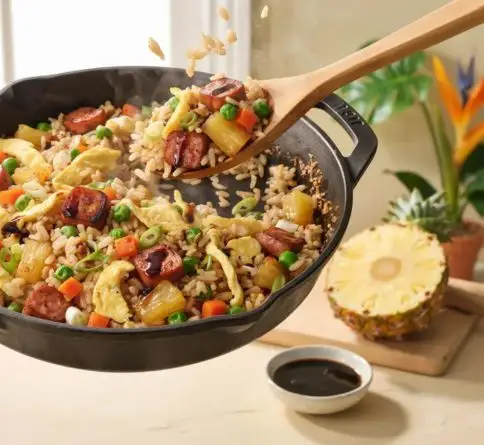
Hawaiian fried rice turns leftover rice into a colorful and satisfying one-pan meal. Pineapple, ham or Spam, vegetables, scrambled eggs, and soy sauce come together to create a balance of savory, sweet, and salty flavors. While standard fried rice often focuses on vegetables and meat, pineapple gives this version its recognizable island-inspired character. It is especially useful for busy weeknights or whenever you need to use ingredients already in the refrigerator.
Quick Ingredient Guide
| Ingredient | Purpose |
|---|---|
| Cooked rice | Creates the base |
| Pineapple | Adds sweetness |
| Spam or ham | Provides protein and saltiness |
| Eggs | Add texture and richness |
| Soy sauce | Supplies savory flavor |
| Green onions | Add a fresh finish |
Special Tip: Use chilled, day-old rice because it separates more easily and is less likely to become sticky.
20. Mochiko Chicken
Mochiko chicken is a popular local comfort food made with marinated pieces of chicken coated in mochiko, or sweet rice flour. The chicken is seasoned with ingredients such as soy sauce, garlic, ginger, and sugar before being fried until crisp outside and juicy inside. Compared with standard fried chicken, the rice-flour coating creates a slightly different crunch and texture. It is an easy crowd-pleaser for family meals, lunch boxes, and casual gatherings.
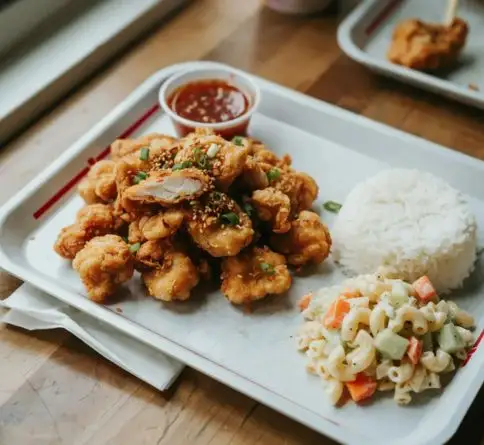
This dish works especially well for
- Family dinners
- Potlucks
- Lunch boxes
- Hawaiian plate lunches
Serve it with rice, macaroni salad, or a fresh cabbage slaw.
21. Pipikaula
Pipikaula is Hawaiian-style seasoned beef associated with the islands’ ranching history. The meat is salted, dried, and sometimes smoked or grilled, producing a concentrated savory flavor and pleasantly chewy texture. Unlike thin commercial jerky, pipikaula may remain thicker and more tender, allowing it to function as part of a meal rather than only as a portable snack. It pairs naturally with traditional Hawaiian sides and steamed rice.
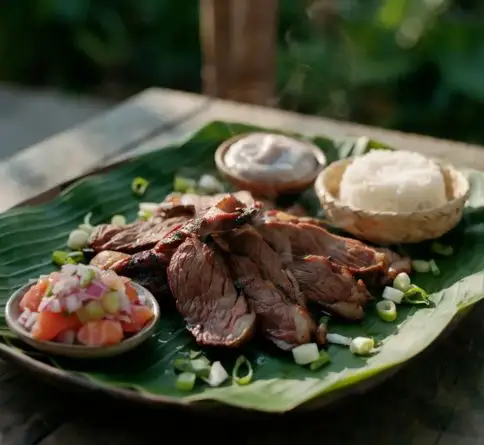
Try serving pipikaula with
- Poi
- Steamed rice
- Lomi lomi salmon
- Fresh vegetables
- Hawaiian macaroni salad
22. Breadfruit (ʻUlu)
Breadfruit, known in Hawaii as ʻulu, is a traditional Polynesian crop that can be cooked in many of the same ways as potatoes. Learn more about this important traditional crop from the National Tropical Botanical Garden. When roasted, baked, steamed, or fried, it develops a mild flavor and a dense, satisfying texture. Unlike common supermarket starches, ʻulu grows on trees and has deep cultural significance across the Pacific Islands.
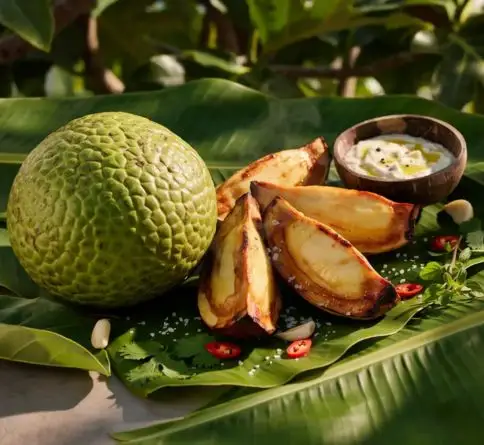
It is worth trying if you want to explore Hawaiian ingredients beyond rice and pineapple.
Popular ways to prepare ʻulu
- Roast it until tender
- Mash it like potatoes
- Slice and fry it into chips
- Add it to soups or stews
- Bake it with herbs and seasoning
Special Tip: The fruit’s stage of ripeness affects its use. Firmer ʻulu works well in savory dishes, while riper fruit develops a softer and sweeter character.
23. Kona Coffee
Kona coffee is grown in designated areas of the Kona districts on Hawaii Island. It is known for a smooth, balanced cup that can vary depending on the farm, roast, processing method, and growing conditions. Rather than treating every package with “Kona” on the label as identical, check the product details to understand how much Kona-grown coffee it actually contains. A carefully brewed cup pairs beautifully with malasadas, haupia desserts, or a relaxed island-style breakfast.

What to check before buying
- Whether the label says 100% Kona coffee
- The roast level
- The farm or producer
- The roast date
- Whole-bean versus ground coffee
Special Tip: Store coffee in an airtight container away from heat, moisture, and direct sunlight.
24. Shave Ice
Authentic Hawaiian shave ice begins with ice shaved into a very fine, snow-like texture. Flavored syrups soak evenly into the soft ice, and optional additions may include condensed milk, ice cream, mochi, or sweet azuki beans. Unlike a coarse snow cone, shave ice feels light and delicate because the ice is finely shaved rather than crushed into hard pieces. It is one of the most refreshing treats to enjoy on a warm afternoon.

Popular flavors include
- Mango
- Guava
- Lilikoi
- Coconut
- Lychee
- Pineapple
Some shops allow you to combine several flavors in one serving, making it easy to create a customized tropical mix.
25. Pineapple Upside-Down Cake, Hawaiian Style
Pineapple upside-down cake is not an ancient Native Hawaiian dish, but its tropical appearance and pineapple topping have made it a familiar addition to Hawaiian-inspired menus. Pineapple rings are arranged with a buttery brown-sugar layer beneath the cake batter, then revealed on top when the finished cake is turned over. Unlike heavily frosted cakes, this dessert uses caramelized fruit as its main decoration and flavor. It makes a cheerful ending to a luau-style meal or summer gathering.
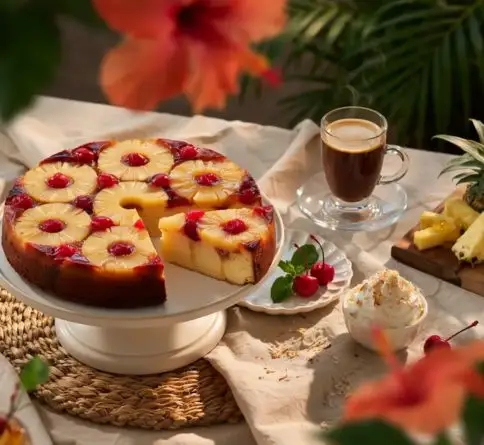
Serve it with
- Lightly whipped cream
- Vanilla ice cream
- Toasted coconut
- Fresh pineapple
- A cup of Kona coffee
Special Tip: Allow the cake to rest briefly after baking, but turn it out before the caramelized topping becomes firmly stuck to the pan.
Frequently Asked Questions About Hawaiian Food
What is the most famous Hawaiian food?
Poke, kālua pig, poi, laulau, and Spam musubi are among the best-known foods associated with Hawaii. Traditional Native Hawaiian dishes such as poi and laulau represent the islands’ Indigenous food culture, while poke and Spam musubi also reflect the broader local cuisine that developed through multicultural influence.
Is Hawaiian food healthy?
Some Hawaiian food can form part of a balanced diet, particularly dishes centered on fresh seafood, taro, sweet potatoes, vegetables, and minimally processed ingredients. Other local favorites may contain more sodium, sugar, saturated fat, or large portions, so nutritional value depends on the ingredients, preparation method, and serving size.
What food is unique to Hawaii?
Poi, laulau, kālua pig, lomi lomi salmon, haupia, Spam musubi, loco moco, and local-style plate lunches are strongly associated with Hawaii. Some are rooted in Native Hawaiian traditions, while others emerged from the islands’ multicultural history and became distinctive parts of local food culture.
What dessert is famous in Hawaii?
Popular hawaiian desserts include haupia, malasadas, shave ice, butter mochi, and tropical cakes. Haupia is a coconut-based traditional favorite, while malasadas reflect Portuguese influence and remain especially popular when served warm and freshly coated in sugar.
Can I make Hawaiian food at home?
Yes, many hawaiian food recipes can be prepared with standard supermarket ingredients. Shoyu chicken, garlic shrimp, Huli Huli chicken, Spam musubi, macaroni salad, and hawaiian fried rice are approachable starting points, while poi and laulau may require ingredients from a specialty market.
Final Thoughts
Hawaiian food tells the story of the islands through traditional ingredients, migration, cultural exchange, family cooking, and modern local creativity. Native Hawaiian staples such as poi, laulau, ʻulu, and kālua pig sit alongside multicultural favorites like saimin, malasadas, Spam musubi, and loco moco.
Whether you are preparing hawaiian recipes at home or planning what to eat during an island visit, these 25 dishes offer a broad introduction to Hawaii’s culinary identity. Begin with a comforting plate lunch, try fresh poke or garlic shrimp, and leave room for haupia, malasadas, or shave ice.
The best way to understand hawaiian food is to explore it with curiosity while recognizing the difference between traditional Native Hawaiian cuisine and the wider local food culture. Each dish carries its own history, ingredients, and place at the table.

Leave a Reply