
I used to think adding weight to a backpack while walking sounded like a bad idea for the back. I almost felt tired some days, running hurt my knees and hip alignment, and the last thing I wanted was back pain on top of that.
The question kept coming up every time: Is rucking bad for your back?
No, rucking is not bad for your back when done correctly. With proper weight, posture, and progression, it can strengthen your back and core. Back problems usually occur only with excessive weight, poor load distribution, or improper technique.
Rucking is a low-impact exercise that builds the core, back muscles, shoulders, posterior chain, and overall back strength. It burns calories 3 times as much as walking.
Don’t be confused about: is rucking good or bad for your back.
In this article, I will talk about rucking, whether rucking is good for you, potential risks, who should avoid it, what the benefits are, how much you should start, proper rucking technique, and best backpack weight setup techniques. So, let’s begin the pro guide from the expert with my rucking journey-
- Rucking is safe for your back when done with proper weight, posture, and progression.
- Back pain usually comes from excessive load, poor pack fit, or bad technique.
- Follow the proper technique and start with 10-15% of your body weight and gradual progression helps strengthen your back and core safely.
Table of Contents
In This Post……
Is Rucking Bad for Your Back?
No, rucking isn’t inherently bad for your back; if it is done properly, it can strengthen your back and core. But, excessive weight, poor load distribution, improper technique & management can cause stress on your spine and potential injury.
According to the Rucking and Force Fitness Experts, Goruck–
When rucking is done with proper load, correct posture alignment, and progression, it is safe for your back. It will strengthen the core, back muscles, shoulders, posterior chain, and overall back safety.
Dr. Kampert says, If you don’t have any joint stress issues or painful bones, rucking is an effective and safe workout for people of all ages to improve their bone health and fitness levels.
But Why Does Rucking Put Stress on the Back?
When we add load, 3 things commonly occur in our body, such as:
- Increase the postural effort: When we add a weighted vest to our back, the body demands more intricate work to maintain proper posture and balance. Therefore, the muscle growth, especially in the core & back, becomes more activated to keep the torso upright and straight.
- Compressive pressure on the spine: This extra weight increases the vertical pressure through the spine. Therefore, it creates more compressive force than normal walking to maintain both the gravity and the additional load from the rucksack.
- Higher demand on stabilizing muscles: To manage this added stress, the torso-stabilizing muscles work harder to keep the spine aligned while supporting the additional weight.
So, is rucking bad for your lower back? No, rucking puts stress on your back due to extra weight. This stress is not bad in itself; it actually helps strengthen your back over time. Back problems usually occur only due to poor management, overload, and poor posture during walking.
Potential Risks of Rucking for Back Health
We know that everything has both good and bad sides. Rucking isn’t out of this. Here are some significant risk factors that can harm your back-
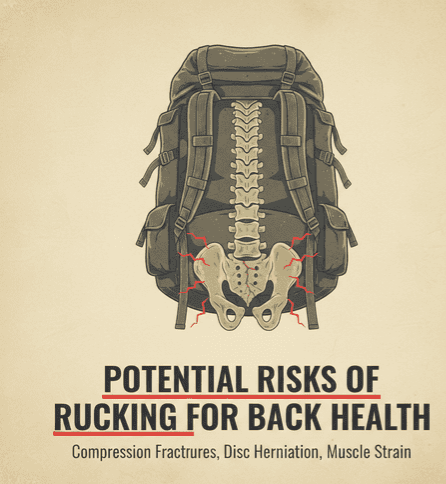
- Excessive Load: The main culprit for your back pain is being overweight. Starting with an excessive load puts too much pressure on your spine and muscles, increasing the risk of injury.
- Improper Pack Fit: If you don’t pack the equipment properly and it doesn’t fit you well, the weight won’t distribute evenly. As a result, it will cause excessive pressure on your point and back.
- Poor Form: Improper rucking technique and posture lead to uneven weight distribution. For instance, leaning excessively forward, slouching, and failing to engage the core muscles can lead to back strain.
- Pre-existing Back Condition: If you have pre-existing back pain problems such as spinal stress or stenosis, herniated discs, scoliosis, etc., I suggest you start rucking under the guidance of a healthcare professional. Be cautious while hiking. Either it can lead to an increase in the problem.
- Inadequate Warm-up and Cool-Down: Many ruckers don’t prepare their body properly with a warm-up and avoid cooling down. Therefore, your body feels stress and a chance of muscle stiffness rather than flexibility.
So, avoid these major issues to make your rucking beneficial and get your body to a perfect fitness level.
Who Should Avoid Rucking Back?
Rucking is generally safe when done correctly, but it is not recommended for everyone without modification or medical clearance.
According to the Cleveland Clinic, GORUCK load carriage guidelines, Force Fitness training program, and sports medicine exercise, the following individuals should avoid rucking or proceed with caution-
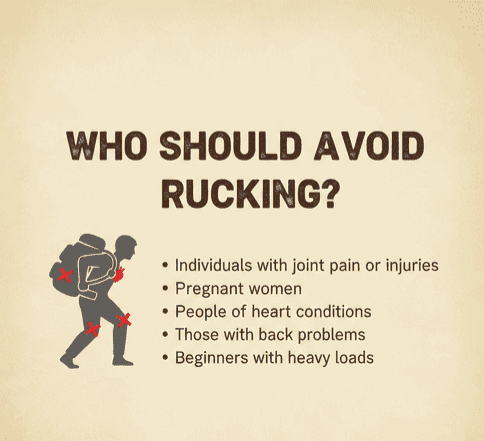
- If you have active lower back pain, herniated discs, or spinal conditions.
- People who are just recovering from recent surgery or injury, such as to the spine, hips, knees, or ankles.
- If you face severe joint degeneration or advanced arthritis.
- Sedentary beginners without basic walking endurance.
- Pregnant without professional medical guidance.
- Anyone who experiences pain that changes posture or walking pattern.
Proper Rucking Technique to Protect Your Back (Pro Tips)
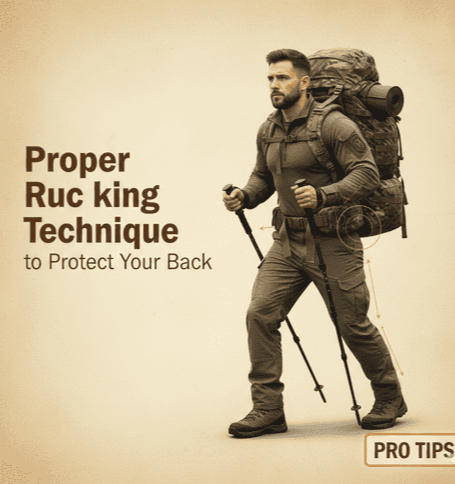
Is rucking bad for your back and knees? No, rucking is safe for strengthening your body when done with the right techniques. The problems mainly arise from your posture, rushing progress, and avoiding basic fundamentals.
According to U.S. Army Warrant Officer Michael B. Brennan, here are some key tips to successfully carry your ruck and guides to keep your back protected-
Stand Tall and Set Your Posture First
Firstly, keep your posture fixed, relax your shoulders, and pull them slightly back. Check it is maintaining a neutral spine and not leaning forward or arching. Perfectly align the hips. These will distribute the load evenly and reduce the unnecessary stress on the lower back.
Keep the Rucksack Simple and Well-Fitted
You don’t need an excessive backpack to ruck safely. A simple backpack is enough for beginners. Just make sure that-
- Keep the lightweight exercise equipment at the bottom and the heavy equipment at the top. Avoid overpacking.
- The pack is sitting high and close to your back
- Tighten the shoulder straps so the load doesn’t bounce.
It will help distribute the weight evenly and reduce the risk of injury.
Engage Your Core Gently While Walking
We know that the core acts as natural support for our spine. So, lightly brace your abdominal muscles before moving. Then, breathe normally and don’t hold your breath. Keep your core engaged throughout the walk, especially on hills. It will help your back handle the extra load safely.
Walk Naturally and Play to Your Strengths
Start walking with natural steps ensuring comfort, and avoid overstriding or stomping.
On uphill sections, slow down. On downhill terrain, stay controlled and avoid rushing.
Protect Your Feet to Protect Your Back
Wear comfortable, well-fitting footwear. Choose breathable shoes for dry conditions. Use more supportive footwear for wet or rough terrain. Healthy feet help maintain good posture and reduce back strain over long distances.
Start Slower Than You Think You Should
Rucking does not need to be intense every time. Ruck 1–2 days per week as a beginner. Increase weight or distance gradually. Short, steady rucks are better than long, exhausting ones. This allows your muscles, joint health, and spine to adapt without injury.
Watch for Fatigue and Adjust Early
As fatigue increases, posture often breaks down. If you start leaning forward, slow down. If the form collapses, take a short break. Stop the session if pain replaces normal effort. Listening to your body prevents small issues from turning into back pain.
Best Backpack Setup for Back Safety
The most important thing to keep the back safe is to perfectly set up the backpack. If you don’t properly set up the backpack, a moderate weight can also lead to back injury.
But what matters?
According to the rucking and outdoor fitness experts, it matters how the load is distributed and stabilized more than the amount of weight.
Proper weight distribution reduces the strain on your lower back and keeps the spine neutral.
So, how to set up the backpack for an even weight distribution?
According to GORUCK and military load-carriage principles,
The heaviest items should be placed high and close to the body, rather than low or far away from the spine. This keeps the center of gravity aligned and minimizes forward lean.
During packing, keep in mind these 3 points-
- Keep the heavier items at the top and near the upper back between the shoulder blades.
- Put lighter items toward the bottom and outer areas.
- Avoid loose items that shift while walking, as movement increases spinal load & stress.
Hip belts and sternum straps play a critical role in back safety by redistributing load away from the spine. But, how?
According to REI and outdoor biomechanics experts,
A properly fitted hip belt can transfer up to 60–70% of the load from the shoulders and spine to the hips and legs, which are better suited to handle weight.
- Hip belts reduce lumbar spine stress.
- Sternum straps improve upper-body stability and prevent shoulder strain.
- Together, they help maintain an upright posture and reduce muscle fatigue.
So, don’t avoid these things to keep your back safe. If you skip these, it will help your back and shoulders absorb more load than necessary.
Frequently Asked Questions (FAQs)
What Are The Downsides Of Rucking?
Rucking is the safest exercise to burn calories quickly, if you do it properly. According to Paladino, the downside is back pain and it only happens due to overload and improper management. It can also cause a toll on the ankles, toes, and knees.
Is rucking good for your back?
Yes. Rather than just walking, the added load increases physical demand. As a result, it strengthens your cardiovascular system and engages your legs, core, and back. Therefore, it burns fat quickly and improves stability and endurance without gym equipment.
Can You Ruck With A Normal Backpack?
Yes, a simple backpack that fits well is enough for the beginners. Just arrange the heavier equipment at the top, and lighter at the bottom.
Does Rucking Cause Spinal Compression?
Yes, rucking does cause spinal compression due to the excessive weight on the body. Problems typically occur when weight is excessive, posture is poor, or recovery is ignored.
Is It Healthy To Ruck Every Day?
Rucking every day can be healthy if the load is light to moderate and recovery is prioritized. Daily rucking works well as low-impact cardio, but heavier rucks should be limited to a few days per week to prevent joint and back strain. Always listen to your body to reduce injury risk.
Final Thoughts
So, is rucking bad for your back? The answer is no. Rucking isn’t inherently bad for your back, but it can be if it’s done carelessly. With proper weight load, a well-fitted pack, and gradual load progression, rucking can help build strength and muscle. Avoid overloading, prioritize safety, and listen to your body to get the best results. Hope this article helped you better understand how to ruck safely and effectively.

Leave a Reply