
People often look for easy workouts to lose weight. Rucking helps because it adds weight to a normal walk, making it easier to lose fat.
So,is rucking good for weight loss?
Yes, rucking is good for weight loss.Rucking is walking with a weighted backpack. It burns 2-3 times more calories than normal walking. The added load increases metabolic demand, engages the legs, core, and back muscles, and raises heart rate even at a moderate pace.
Studies show that carrying 10–20% of body weight can significantly increase energy expenditure, making rucking an effective low-impact joint workout for sustainable fat loss.
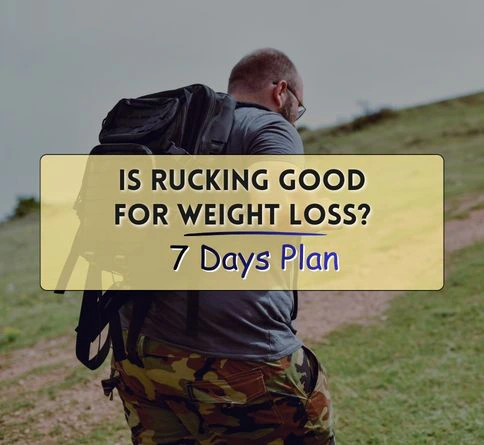
I first discovered this during a simple evening walk.
Normally, walking felt easy and relaxing. But when I added weight to my rucking backpack, the experience changed quickly.
What actually happened to me? My breathing deepened, my posture tightened, and my heart rate increased, even though my pace stayed the same. That moment made me realize that this simple rucking exercise could turn an ordinary walk into a powerful workout.
In this guide, I will talk about how rucking supports weight loss, compare it with other workouts, and outline beginner strategies to start safely.
Key Takeaways
- Rucking is a weighted walking workout that increases calorie burn.
- It engages the legs, core, and back for a full-body exercise.
- Its low impact makes it sustainable for long-term fat loss.
- Consistent rucking workouts can support steady weight-loss results.
In This Post……
- Is Rucking Good for Weight Loss?
- How Does Rucking Help with Weight Loss?
- Is Rucking a Better Weight Loss Workout Than Running?
- Is Rucking Good for Weight Loss Male?
- Is Rucking Good for Weight Loss Female?
- Rucking Weight Loss Results (Before and After)
- Beginner Rucking Workout Plan for Weight Loss
- Best Gear for Rucking Weight Loss
- Frequently Asked Questions (FAQs)
- Final Thoughts
Is Rucking Good for Weight Loss?
Yes, rucking is good for weight loss. It increases calorie burn and engages multiple muscles. Specifically, you walk while carrying a weighted backpack, which increases metabolic demand and burns 250–400+ calories in just 30 minutes. As a result, your body must work harder to move the same distance.
Undestanding the rucking weight is crucial.I started my first rucking workout with a 20-pound backpack. After a few minutes, my breathing became deeper. My shoulders and core tightened to stabilise the load.
It totally changed my life.
I lost 10 pounds weight within only 7 days sounds crazy, right?
shows that calorie burn rises when backpack weight increases.
A research from the U.S. Army Research Institute of Environmental Medicine (USARIEM) As a result, many people ask,
“Doesrucking burn more calories than normal walking?” The answer is Yes, typically 2 to 3 times more than normal walking.
The American Council on Exercise (ACE) reports that adding weight during walking increases oxygen consumption and total energy expenditure.
Rucking also protects your joints, offering another advantage. Running creates a high impact on the knees and ankles. Rucking keeps movement slower and more controlled.
This makes it a low-impact workout for the joints, so you can train longer and stay consistent. Consistency mainly helps support long-term fat loss.
How Does Rucking Help with Weight Loss?
Rucking can help you in several ways when your goal is fat loss. When you are rucking, your body must work harder to move forward. This extra effort increases calorie use and activates more muscles.
Some beginners ask, does rucking burn fat more than normal walking? Yes in most cases. There are three main benefits that explain why rucking supports weight loss. These are-
- It increases calorie burn.
- It engages full-body muscles.
- It raises heart rate and promotes fat burning.
Let’s breakdown-
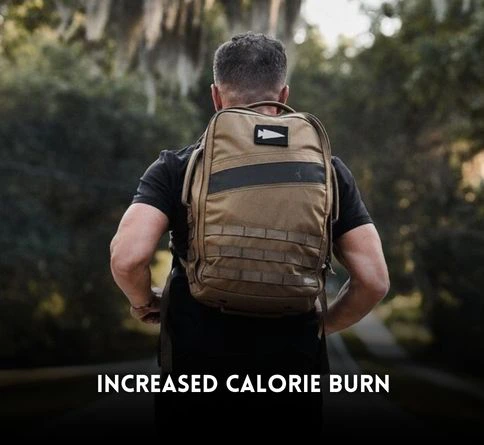
1. Increased Calorie Burn
Adding weight to your walk forces your body to use more energy.
Each step requires extra effort to carry the load.
Because of this, rucking may burn 400–700 calories per hour, depending on your speed, body weight, and terrain. A heavier pack usually increases calorie burn.
2. Full Body Muscle Engagement
Rucking engages more muscles than regular walking.
Your legs move you forward, your core and back stabilise the weight, and your shoulders carry the backpack.
Using your whole body burns more energy and builds strength and endurance.

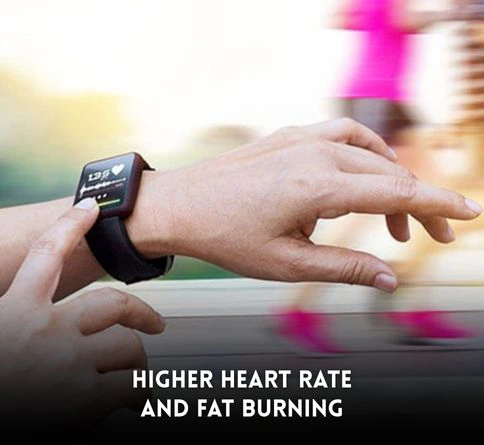
3. Higher Heart Rate and Fat Burning
The added weight raises your heart rate even when you walk at a moderate pace.
This keeps your body in an aerobic fat-burning zone and makes energy come from stored fat and carbohydrates.
Quick Summary
Rucking makes you burn more calories, activate multiple muscle groups, and increase your heart rate. These combined effects make rucking an effective and sustainable exercise for weight loss.
Is Rucking a Better Weight Loss Workout Than Running?
Running burns more calories per minute because it is a high-intensity exercise. However, when people ask,is rucking better than running for weight loss, the answer often depends on sustainability and long-term consistency.
Running may burn around 600–900 calories per hour, depending on pace and body weight. In contrast, rucking can burn 400–700+ calories per hour while placing less stress on the joints.
From my experience, running quickly raises fatigue. A rucking workout with a loaded backpack feels challenging but manageable for a longer period. This allows steady calorie burn without pushing the body to the point of exhaustion.
Exercise physiologist Dr. Stephen Herr, from the U.S. Army Research Institute of Environmental Medicine, explains that load carriage activities like rucking increase cardiovascular demand while keeping movement controlled and lower impact.
Quick Comparison:
| Running | Rucking |
|---|---|
| Higher intensity | Lower joint impact |
| Burns more calories per minute | Easier to sustain longer workouts |
| Higher injury risk | Supports consistent fat-loss training |
Is Rucking Good for Weight Loss Male?
Yes, rucking can help men lose weight. Carrying a weighted backpack makes walking more demanding and increases calorie burn.
When you are done rucking consistently and paired with a balanced diet, it can support steady fat loss.
Men generally have higher muscle mass than women, and muscle requires more energy to function. So, men often burn more calories during physical activity.
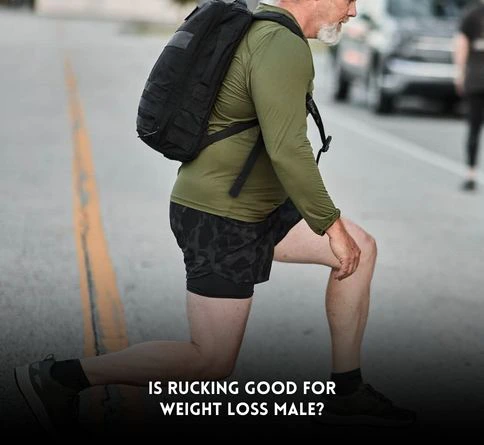
During a rucking workout, the legs, core, back, and shoulders work together to carry and stabilize the load. This added effort increases energy expenditure and helps promote fat loss.
From my experience, rucking feels more sustainable than high-intensity cardio. I can walk longer distances with weight without putting excessive strain on my joints. Over time, these longer sessions help maintain consistency, which is key for weight loss.
Exercise physiologist Dr. David P. Looney also notes that walking with external loads significantly increases metabolic cost and overall energy expenditure.
Quick Summary
- Rucking helps men burn more calories.
- It helps keep muscle while reducing body fat.
- This steady workout builds endurance and is easy to keep doing regularly.
Is Rucking Good for Weight Loss Female?
Yes, rucking can be very effective for female weight loss. Walking with a weighted backpack increases calorie burn while keeping the workout low-impact on the joints.
It also helps build strength and support bone density, which is especially important for women’s long-term health.
Rucking combines walking and strength training. The added weight activates the legs, core, back, and shoulders, helping the body burn more energy during each step.
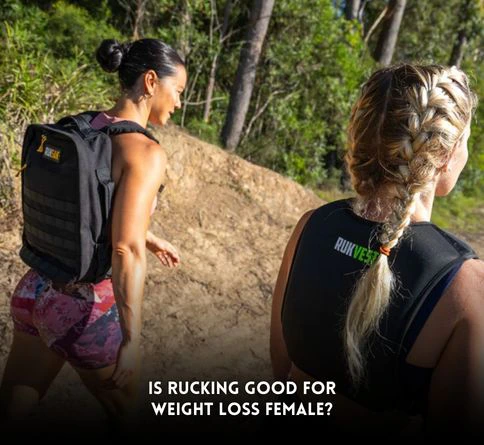
Because it is a weight-bearing activity, it also supports bone strength while improving endurance.
From my experience, rucking feels easier to maintain than many high-intensity workouts for females. Females can maintain a steady pace for longer periods without placing excessive stress on their knees or ankles. These longer, consistent sessions can make a big difference in gradual fat loss.
Researchers also note that load-carrying exercises increase muscular endurance and energy expenditure, making rucking a practical and sustainable workout.
Quick Summary
Rucking offers women a low-impact workout that burns more calories, strengthens bones and muscles, and supports steady fat loss over time.
Rucking Weight Loss Results (Before and After)
Yes, rucking can lead to visible weight loss over time.
Especially when it is done regularly with a proper diet and training.
Many people report clear rucking for weight loss, with changes evident within 4–6 weeks. It also reduced body fat and improved endurance.
In my experience, the changes appear gradually. When I started rucking with a moderate backpack weight, my breathing and posture changed quickly during workouts.
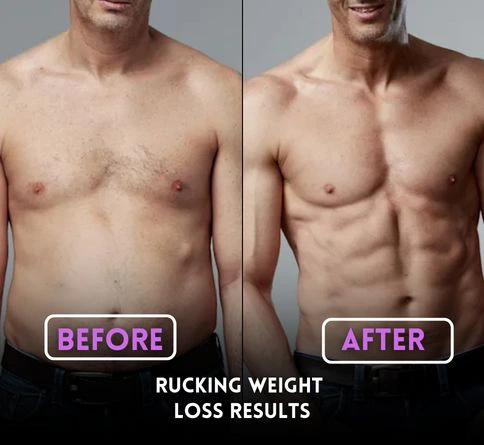
After several weeks of consistent sessions, I noticed improved stamina and big changes in my body weight. I almost lost 25+ pounds. These early improvements are common because rucking increases the energy cost of walking.
Studies on load carriage show that,
Energy expenditure increases as backpack weight rises, meaning your body burns more calories during movement.
According to BodySpec,
rucking can burn 2–3 times as many calories as regular walking, depending on the load and pace.
Beyond the research, community examples show similar trends. Many ruckers report losing about 1–2 pounds per week when combining rucking with healthy eating and consistent training.
Quick Summary
- Visible before and after changes often appear in 4–6 weeks
- Rucking increases calorie burn and supports steady fat loss.
- Consistency can lead to realistic rucking-weight-lossresults of 1–2 lbs per week.
Beginner Rucking Workout Plan for Weight Loss
Start your rucking workout with a light load. Walk 2–3 times per week for 30–45 minutes. Carry 10–25 lbs or less than 10% of your body weight. Keep a steady pace of about 17–20 minutes per mile. Maintain good posture with your shoulders back. Walk at a comfortable pace so you can still talk while moving.
| Week | Duration | Weight |
|---|---|---|
| Week 1 | 20 minutes | 10 lbs |
| Week 2 | 30 minutes | 15 lbs |
| Week 3 | 45 minutes | 20 lbs |
Increase the time or weight slowly as your body adapts. This gradual progress builds stamina and supports steady weight loss.
Best Gear for Rucking Weight Loss
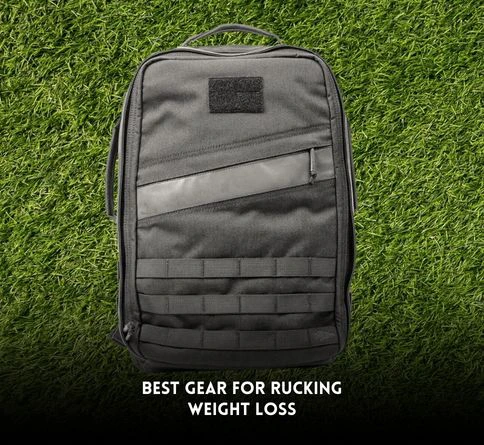
Start with a durable rucking backpack with padded straps and good back support.
A pack like GORUCK 4.0 keeps the weight stable and comfortable during long walks.
Beginners can start with 10–20 lbs using household items, sandbags, or ruck plates.
Based on my personal experience, a well-fitted backpack makes rucking much easier because the weight sits higher and stays balanced.
As your fitness improves, you can gradually increase the load for longer and more challenging rucks.
Frequently Asked Questions (FAQs)
Does rucking help you lose weight?
Yes. Rucking helps you lose weight because walking with extra weight increases calorie burn and activates more muscles than normal walking.
Does rucking burn fat faster?
Yes. Rucking can burn fat faster than regular walking because the added weight increases heart rate and energy expenditure.
How often should you ruck for weight loss?
You should ruck 2–3 times per week as a beginner. As your fitness improves, you can increase it to 3–4 sessions per week.
What weight should beginners start with?
Beginners should start with 10–20 pounds or about 10% of their body weight, then increase gradually as strength and endurance improve.
Final Thoughts
So, is rucking good for weight loss? Yes, it can be. By adding weight to a normal walk, rucking increases calorie burn, engages multiple muscles, and raises your heart rate. Because it has a low impact on joints, many people find it easier to maintain over time. Overall, is rucking a good way to lose weight? For many people, it supports sustainable training and long-term fitness.

Leave a Reply