
Walking felt like a safe, reliable choice. I could do it every day without thinking.
But over time, something changed. The scale stopped moving.
Fat loss slowed. My effort stayed the same, but my results didn’t.
Then I added weight to my walks. Everything changed.
My body worked harder, my breathing picked up, and I finally started seeing real progress.
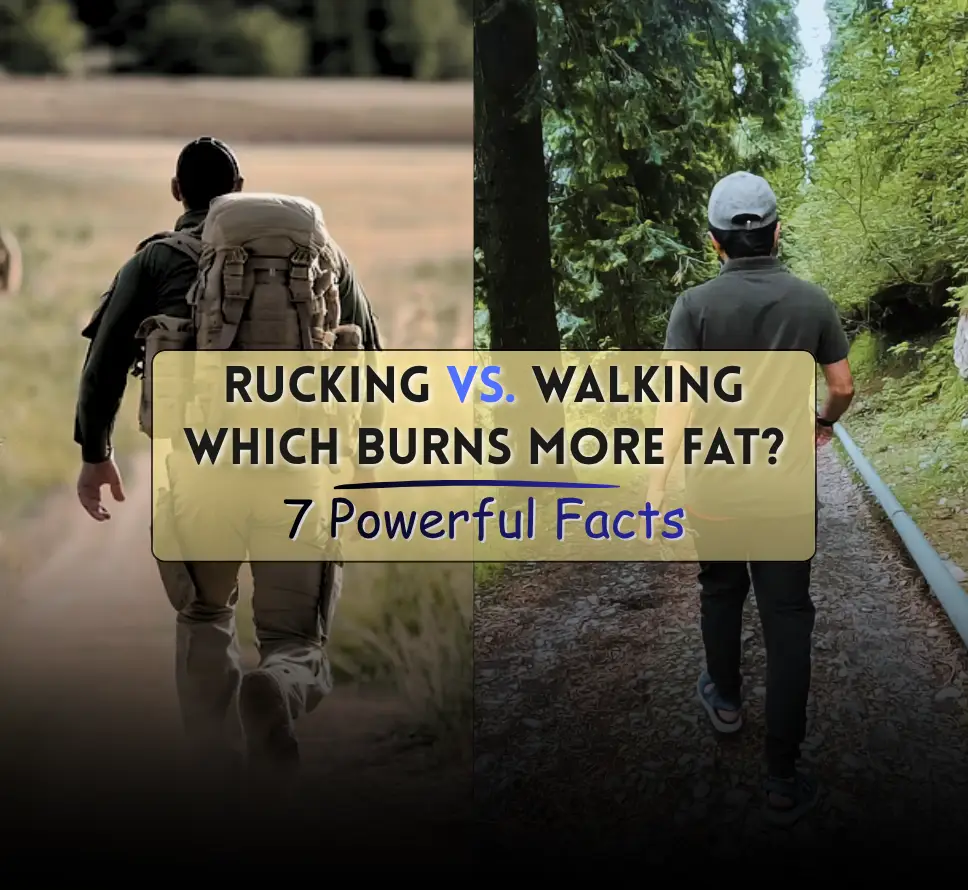
If you’re deciding between walking and rucking, the difference is worth understanding.
Now the question arise,
Rucking vs Walking: Which Burns More Fat?
Rucking burns more fat because added weight increases calorie burn, intensity, and muscle use. Walking supports steady weight loss, but rucking delivers faster results in less time.
Here’s what I learned after testing both side by side.
Key Takeaways
- Rucking burns more calories and speeds up fat loss.
- Walking is easier to sustain long-term.
- Rucking increases intensity without running
- Combining both gives the best results.
Let’s break down what works, so you can pick the approach that fits your goals.
In This Post……
- What are the differences between Rucking & Walking
- Rucking vs Walking: Which Burns More Fat? (7 Powerful Facts)
- Rucking vs Walking Pros and Cons
- Rucking vs Walking for Different Fitness Levels
- Rucking vs walking Joint Impact and Injury Risk
- Real-World Example
- FAQs For Rucking vs Walking Which Burns More Fat
- Final Verdict: Rucking vs Walking for Fat Loss
What are the differences between Rucking & Walking
Rucking burns more fat than walking. The extra weight means you work harder, burn more calories, and use more muscles with every step. Walking still works for fat loss if you stick with it, but rucking speeds things up because it’s simply more intense.
I’ll be honest. Rucking and walking feel like two different worlds once you add weight. Walking stays easy. But as soon as you start rucking, your breathing gets heavier. Your posture matters more. Your endurance gets tested.
Experts often say, “greater load leads to greater energy output,”
That’s why rucking helps you lose fat faster, while walking is better for building a habit you can stick with.
Key Differences Table
| Intensity and Effort | Low to moderate intensity, steady pace | Moderate to high intensity, higher heart rate similar to light running |
| Calories Burned | Lower calorie burn, requires longer duration | Higher calorie burn due to added weight and effort |
| Muscle Engagement | Mainly legs with minimal upper body involvement | Full body engagement including core, back, shoulders |
| Equipment Required | No equipment needed | Backpack, rucksack, or weighted vest required |
| Joint Impact | Very low impact and joint friendly | Moderate impact due to added load |
| Fat Loss Efficiency | Slower fat loss over time | Faster fat loss with higher calorie burn |
| Variations | Treadmill walking, outdoor walking | Weighted walking, backpack walking, structured rucking |
Rucking vs Walking: Which Burns More Fat? (7 Powerful Facts)
When I first heard about rucking, I shrugged. Just walking with a backpack, right? But then I tried it. Instantly, I felt the difference. My heart pounded. My breathing changed. Calories burned faster. Why? The weight. Each step was harder. Walking is good. But rucking is a shortcut. Want to lose fat fast? Especially belly fat? Rucking is the secret. Curious? Here are seven things I learned. Let’s dive:
Fact 1: Calorie burn
Walking burns calories. That’s obvious. For me, it’s usually 200-250 an hour.
Give or take, depending on my pace and weight. But add a backpack of 10 or 15 kilos, and everything shifts. Now, it’s 350 or even 450 calories gone in an hour.
That surprised me.
Walking feels almost effortless. I can keep going for hours. But rucking?
That’s a whole new game. Each step fights back. My heart pounds.
Every muscle takes notice.
Stack them side by side. Rucking wins. More calories gone. Less time wasted.
Winner: Rucking
Fact 2: Fat loss efficiency
Fat loss isn’t just about moving. It’s about how hard my body has to work. Walking helps, sure. I burn calories, and over time, fat drops. But it’s slow. I need longer sessions to see real change.
Then add weight. Rucking changes the equation. My body works harder with every step. More muscles engage. Energy demand goes up. That means my body taps into fat stores faster.
Walking is steady. Rucking is demanding. One takes time. The other speeds things up.
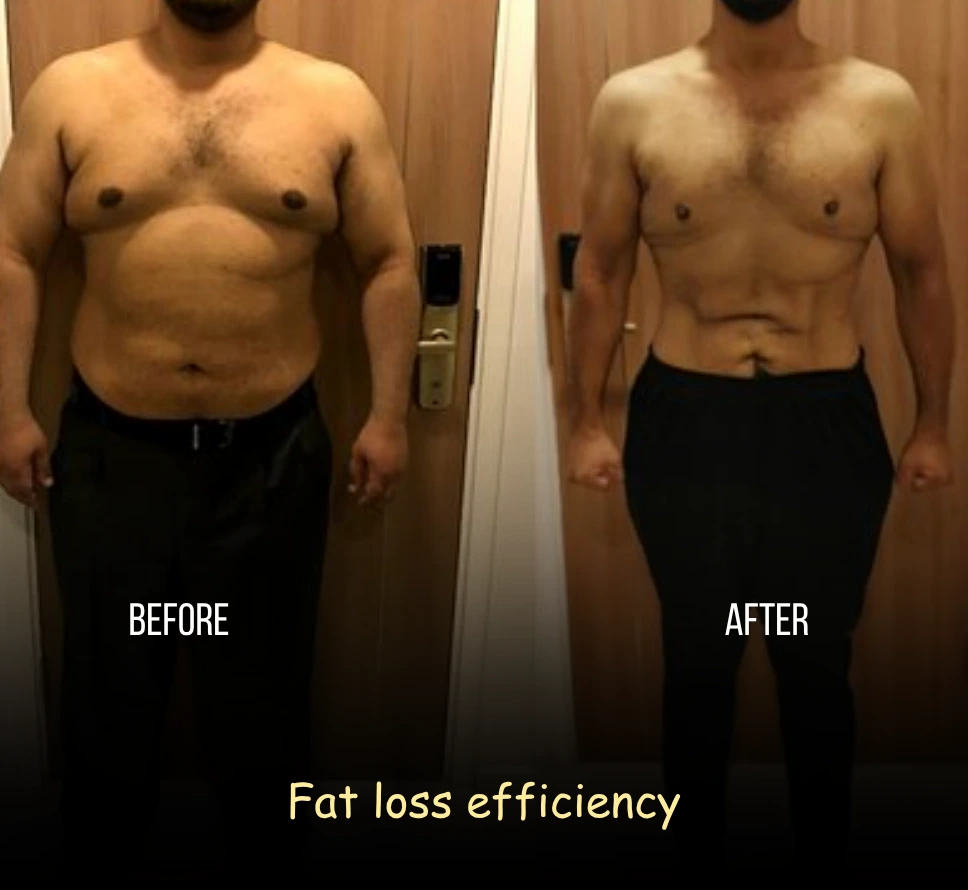
Put them side by side. Rucking gets me leaner, faster.
Winner: Rucking
Fact 3: Heart rate boost
I notice it within minutes. When I walk at a normal pace, my heart rate climbs, but slowly. It usually stays in a moderate zone. Good for basic cardio, but not intense.
Then I tried rucking. The extra weight made my heart work harder almost instantly. Same pace, but my heart rate shot up. Suddenly, a normal walk felt like real cardio.
For example, a regular walk might keep me at 90–110 bpm.
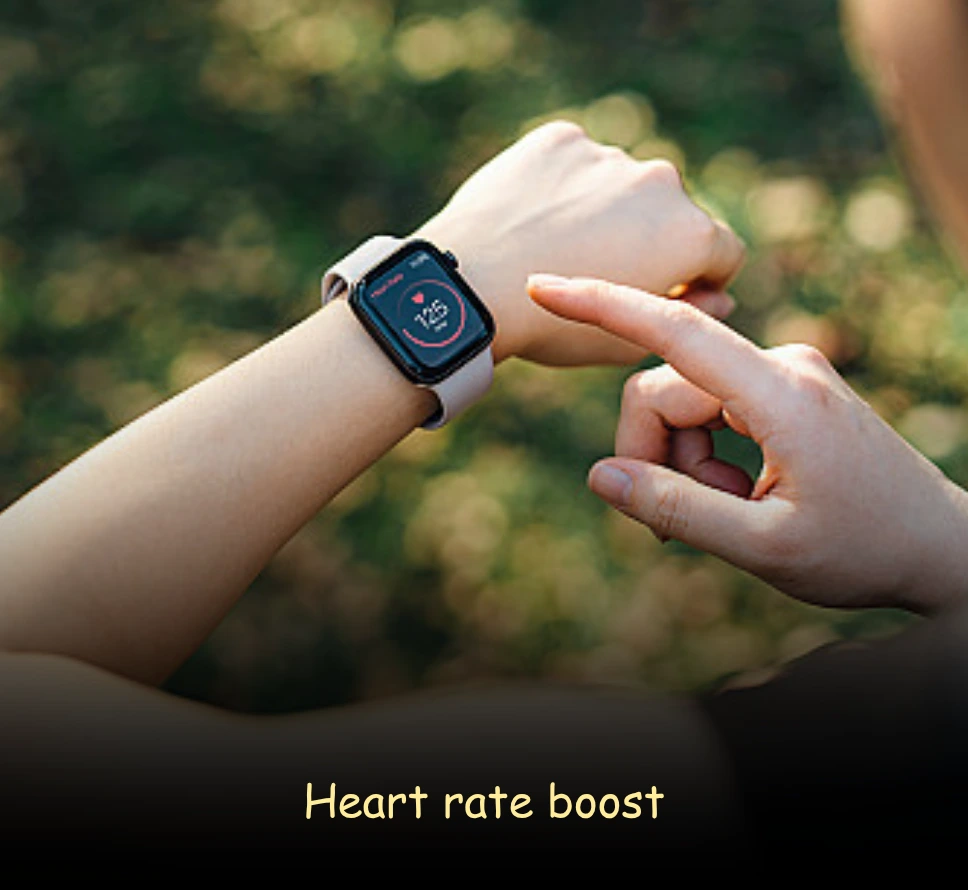
With rucking, I often hit 120–140 bpm at the same speed.
Side by side, rucking wins for heart rate.
Winner: Rucking
Fact 4: Build muscle
Walking keeps you moving, but it won’t build muscle. The load is limited to your body weight, so your legs don’t get the resistance they need to grow. It’s good for maintenance, not for making real gains.
However, rucking is different. The extra weight acts like resistance training. My legs, glutes, and even my core work harder to carry the load. Over time, I feel the strength gains, especially on hills or longer sessions.For instance, carrying a 15 kg pack makes every step demand more force.
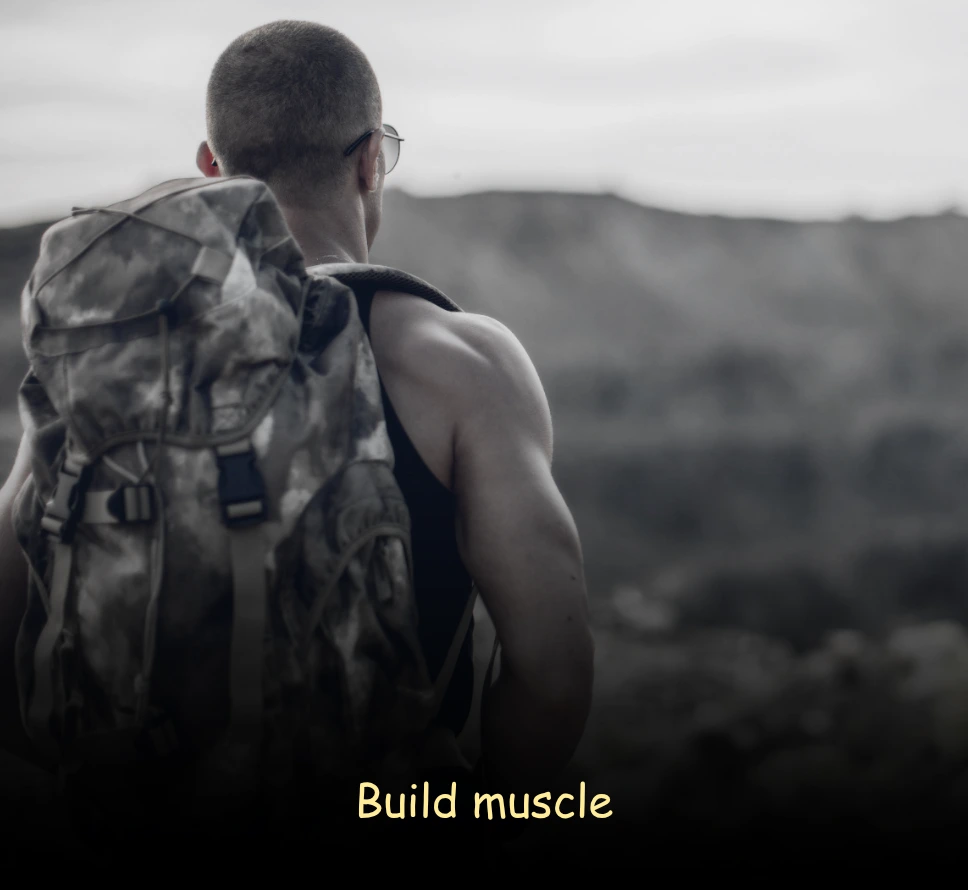
That stimulus matters. Side by side, walking just maintains. Rucking actually builds muscle.
Winner: Rucking
Fact 5: Long-term sustainability
I can walk anytime. No setup. No gear. That’s why I stick with it for months. For beginners, walking is simple. Just step out and move. Low impact. Low fatigue. Easy to recover.
Rucking is different. I need a backpack. I need to manage my weight. If I start too heavy, it strains my shoulders and knees. For beginners, that can slow consistency.
I’ve noticed I can walk daily without issues. Rucking needs rest days, especially early on.

Side by side, walking is easier to sustain long-term. Rucking takes planning and recovery.
Winner: Walking
Fact 6: Afterburn effect
I used to rely on a calorie calculator. It showed what I burned during the workout.
But it didn’t show what happened after. That’s where the afterburn effect matters.
With walking, my calorie burn mostly stops when I stop. It’s low intensity. My body recovers fast. Fat loss happens, but only during the session.
Rucking hits differently. The added load pushes intensity up. After I finish, my body keeps working to recover. That means extra calories are burned even at rest.
In terms of fat loss, that extended burn adds up.
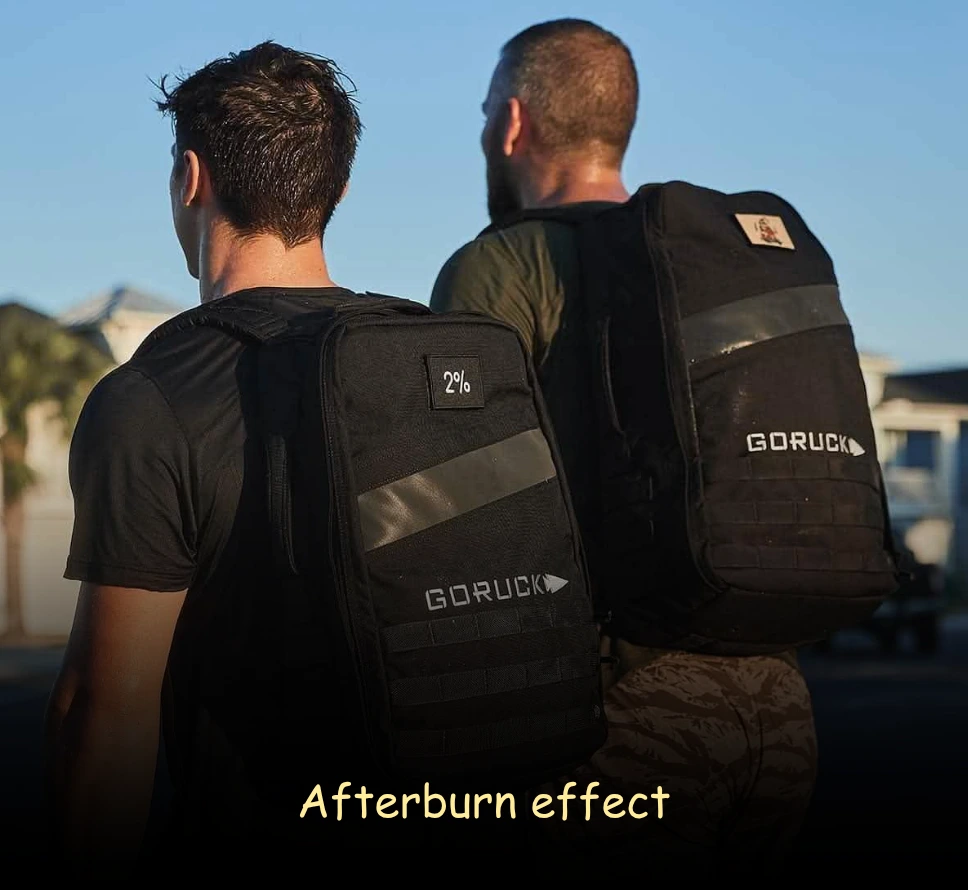
Put simply, rucking delivers a stronger afterburn than walking.
Winner: Rucking
Fact 7: Intensity matters
I’ve learned fat loss comes down to intensity. Walking is low intensity.
It burns fat, but slowly. My heart rate stays moderate, and results take time.
Running is higher intensity. It burns more calories per minute, but it’s harder to sustain. I fatigue faster. Not something I can always do daily.
Rucking sits in the middle. It feels like walking, but the added weight raises intensity. My heart rate climbs without the impact of running. I get steady effort with higher output.

So when I compare, walking is easiest, running is hardest, but rucking balances both.
Intensity drives fat loss. Rucking hits the sweet spot.
Winner: Rucking
Quick Summary
Walking works best for consistency. It is easy, low-impact, and sustainable daily. Fat loss is slower but steady. Rucking is more intense. I burn more calories, raise my heart rate faster, and see quicker results.
For a long-term habit, I choose walking. For faster fat loss, I choose rucking.
Rucking vs Walking Pros and Cons
I have used both over time. Each has clear strengths and trade-offs. The choice depends on your goal, either faster fat loss or long-term consistency.
Pros and Cons of Rucking
Pros:
Cons:
Pros and Cons of Walking
Pros:
Cons:
Side by side, rucking gives faster results. Walking wins for consistency.
Rucking vs Walking for Different Fitness Levels
I don’t use the same approach for everyone. Fitness level matters. What works for me now may not work for a beginner or an older adult. Walking and rucking both have their place. The key is matching intensity to ability.
Best for Beginners
When I started, walking was the clear choice. It is simple and low risk. No gear. No load. I could build consistency first.
Rucking for beginners works, but only with light lightweight. If I go too heavy too soon, I risk strain.
Simply take a look on the table:
| Factor | Walking | Rucking (Beginner) |
|---|---|---|
| Difficulty | Low | Moderate |
| Injury risk | Very low | Higher if overloaded |
| Setup | None | Backpack + weight |
| Sustainability | High | Medium |
My take:
- I start with walking.
- Then add light rucking later.
Best for Fat Loss Acceleration
When my goal is fat loss, intensity matters more than comfort. Walking helps, but progress is slow.
Rucking increases workload. I burn more calories in less time. My heart rate stays higher, and more muscles are involved.
Example:
- Walking: longer time, lower burn
- Rucking: shorter time, higher burn
What I see:
- Faster results with rucking
- More efficient sessions
- Better overall calorie output
My take:
- For faster fat loss, I choose rucking.
- For steady weight loss, walking still works.
Best for Older Adults
For older adults, safety comes first. Walking is the safest option. It’s low-impact, easy on the joints, and supports both mobility and heart health.
Rucking can still work, but only if weight is controlled. Even 3-5 kg is enough. Posture and balance matter more than intensity.
Let’s check the comparison table:
| Factor | Walking | Rucking (Older Adults) |
|---|---|---|
| Joint stress | Low | Moderate |
| Balance need | Low | Higher |
| Intensity | Low | Adjustable |
| Safety | High | Medium |
My take:
- Walking is the base
- Light rucking can be added carefully.
In every case, I match the method to the person. Walking builds consistency. Rucking increases results.
Rucking vs walking Joint Impact and Injury Risk
I asked myself early on. Is rucking harder on joints than walking? Yes. Walking keeps the impact low. My joints carry only body weight. It feels smooth and predictable.
Rucking adds load. So each step carries extra stress. Knees, ankles, and hips work harder. I notice it more on longer walks or rough ground.
But technique changes everything. I stay upright. I keep the weight close. I start light and build slowly.
Walking is safer by default. Rucking needs control. When I manage it right, I stay injury-free and still get better results.
Real-World Example
Theory is one thing, but real results matter. I looked for practical proof and found it in a fitness community discussion.
James started rucking in 2025. He used a proper pack with a 9 kg plate placed high on his back. He didn’t increase his walking time, but his results changed.
His posture improved. Long-standing lower back pain faded. His health app even showed better walking balance.
That tells me something real. Walking keeps things steady. Rucking, done right, improves posture, balance, and overall results faster.
FAQs For Rucking vs Walking Which Burns More Fat
Is Rucking Harder on Joints Than Walking?
Yes. Rucking adds extra load, which increases joint stress compared to walking. However, with proper posture, light weight, and gradual progress, I can reduce risk and stay injury-free.
Is Rucking Better Than Walking for Fat Loss?
Yes, rucking is more intense and burns more calories than walking. When I’m short on time, I use it.Rucking speeds up fat loss to get more out of each session and.
How Many Calories Does Rucking Burn vs Walking?
Walking burns about 200 to 250 calories per hour. Rucking burns around 350 to 450 calories per hour with 10 to 15 kg. Exact burn depends on weight, pace, and terrain.
Can You Lose Belly Fat With Rucking?
Yes, rucking helps me burn more calories and lose weight, which includes reducing belly fat over time. It’s important to remember that fat loss happens throughout the body, not just in one spot.
Is Rucking Good for Daily Exercise?
Not always. I find walking is better for daily movement. I stick to rucking three or four times a week so my body has time to recover and avoid overuse injuries.
Can Rucking Replace Running?
Partly. Rucking sits between walking and running for calorie burn. I use it when I want a challenging workout that’s easier on my joints than running.
Final Verdict: Rucking vs Walking for Fat Loss
After testing both, I see a clear outcome in Rucking vs Walking: Which Burns More Fat? Rucking burns more calories, increases intensity, and speeds up fat loss. Walking is easier to sustain and supports consistent weight loss over time .
I use walking for daily movement and recovery. I use rucking when I want faster results. The best approach is to combine both. Start with walking, then add light rucking 2-4 times weekly. Keep weight moderate, focus on posture, and progress slowly.
It helps me stay consistent while still improving fat loss, strength, and overall fitness.

Leave a Reply