
At some point in the past, I was inconsistent with exercise. Running was too aggressive, gym workouts were too complex, and long workouts exhausted my motivation. On most days, I prefer something simple that does not make me feel tired.
Then I discovered rucking.
First, it sounded like it was too simple to believe. Simply walking with some weight in the backpack. However, as soon as I tasted it, I started to feel different. My stamina began to become better, my legs became stronger, and even walking long distances began to feel easier. It was like an exercise that anyone can perform.
The question will arise: What are the benefits of rucking?
Rucking is walking while carrying weight in a backpack or vest. The main benefits of rucking include better cardiovascular fitness, higher calorie burn, and stronger legs and core. It is a low-impact exercise that supports fat loss, endurance, and posture. Rucking is simple, effective, and easy for beginners to start.

In this article, I will talk about the advantages of rucking, such as how it enhances strength, endurance, calorie burning, and fitness. I will also share why this basic exercise is emerging as one of the best and most sustainable workouts in the present day.
Key Takeaways:
- Rucking is a workout, which is not so complex since you walk, but have some weight in a backpack or a vest, and make regular walking an exercise of your whole body.
- The primary advantages of rucking are an increase in cardiovascular conditioning, an increase in calorie expenditure, and a better condition of legs and core muscles.
- It is a low-impact, pain-free cardio alternative that helps to lose fat, build stamina, and become fit.
- Rucking also enhances the posture and mental toughness, besides making outdoor exercise comfortable in the long-run.
In This Post……
- What are the benefits of Rucking?
- 1. Enhances Cardiovascular Endurance
- 2. Burns More Calories
- 3. Builds Lower Body Strength
- 4. Strengthens the Core
- 5. Joint-Friendly Cardio
- 6. Enhances Position and Stability
- 7. Supports Bone Density
- 8. Builds Mental Toughness
- 9. Lowers Stress and Enhances Mood
- 10. Stretchy and Environmentally-Friendly Workout
- What are the benefits of a Rucking Vest?
- Rucking Benefits Overview Table
- Frequently Asked Questions (FAQs)
- Does rucking build muscle?
- Compared to running, how good is rucking to you?
- What is the recommended weight of beginners rucking?
- Should rucking be done inside or outside?
- What is the frequency of your fitness rucking?
- Does rucking help to lose weight?
- What should rucking workout time be?
- Are beginners able to find it easy to ruck?
- Final Thoughts
What are the benefits of Rucking?
Rucking enhances a number of areas of physical and mental health simultaneously. Since it is a combination of walking and weight, it burns more calories, makes one stronger, and becomes more enduring without being discriminatory.
The main benefits of rucking are-
- Enhances Cardiovascular Endurance
- Burns More Calories
- Builds Lower Body Strength
- Strengthens the Core
- Joint-Friendly Cardio
- Enhances Position and Stability
- Supports Bone Density
- Builds Mental Toughness
- Lowers Stress and Enhances Mood
- Stretchy and Environmentally-Friendly Workout
Let’s breakdown the benefits of rucking-
1. Enhances Cardiovascular Endurance
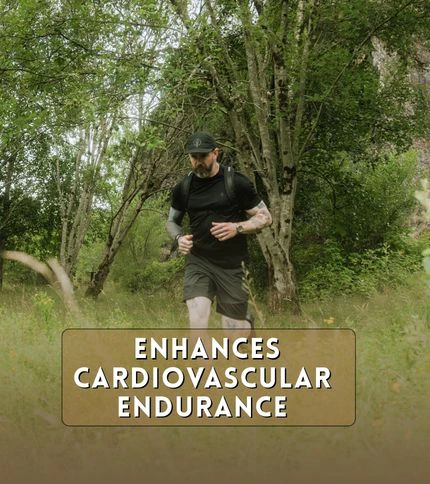
Rucking is an effective line of aerobic training. Your heart will beat faster when walking with a weight as compared to walking. This assists in enhancing cardiovascular fitness as time goes by.
The heart is made stronger, lungs work more efficiently, and endurance is enhanced. Rucking is also an option to running since it is the same way of getting the cardio benefits, but the body is not affected as much as in the case of running.
2. Burns More Calories
Does rucking burn more cakories?
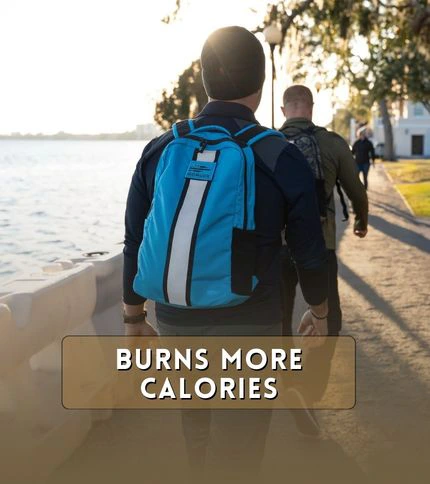
Among the most common rucking advantages, there is a higher calorie expenditure.
As you increase the mass of your walk, your body requires additional energy to move. This burns more energy and assists the body in utilizing more calories as compared to walking.
Rucking can help people lose weight by:
- Fat loss
- Weight loss
- Better metabolic health
Since the body works more during ruck, it consumes calories throughout the exercise.
3. Builds Lower Body Strength
The other significant positive effect of rucking is the strength of the lower body. Weight-bearing walking uses a variety of muscles, some of which include:
- Glutes
- Hamstrings
- Quadriceps
- Calves
In the long run, this assists in the formation of stronger legs and the enhancement of musculoskeletal strength, in general.
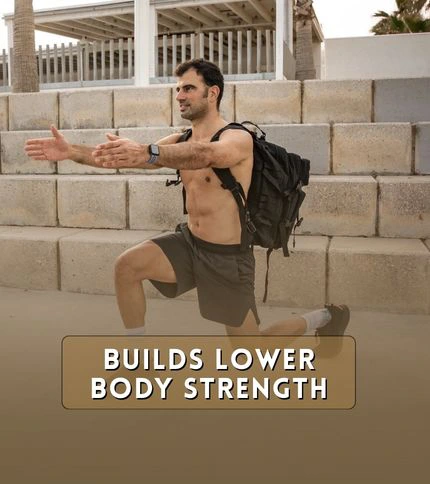
These benefits may be further enhanced by walking on hills or uneven roads.
4. Strengthens the Core
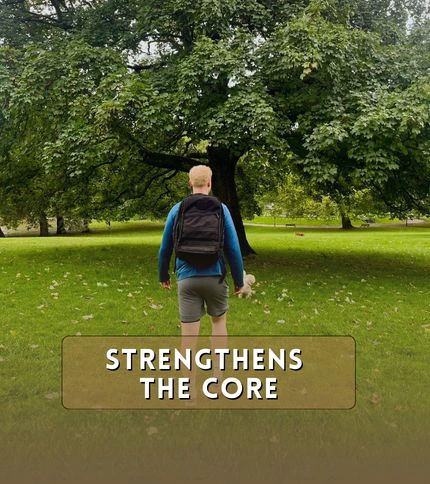
Rucking is not only a leg exercise. It also strengthens the core.
The core muscles are required to remain active when you have a backpack or a weighted vest on you to ensure that you are balanced. This enhances core stability and core strength. A firmer core can also assist in improving posture and minimizing the chances of a backache.
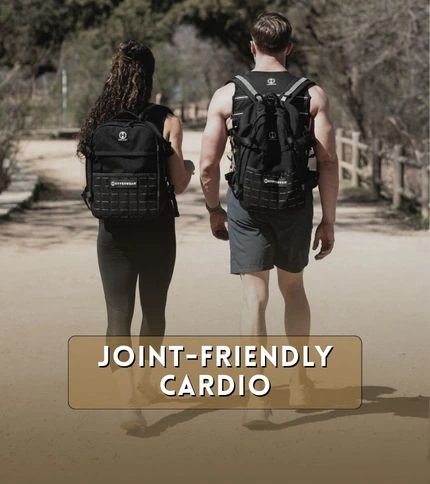
5. Joint-Friendly Cardio
The question many individuals ask is, what is the comparison of rucking to running regarding its goodness?
Rucking is viewed as a low-impact sport. It does not strain the knees and joints as much as running does. Due to this reason, this has been referred to as a joint-friendly cardio. Rucking is the safer alternative that is adopted by people who wish to exercise but do not prefer high-impact exercises.
6. Enhances Position and Stability
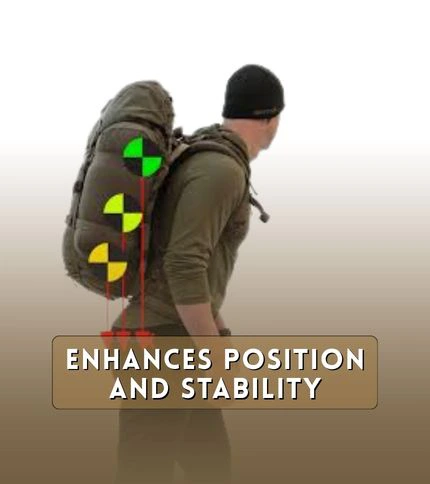
Weight walking promotes positive posture. In order to support the weight, your back, shoulders, and core automatically come into alignment. This aids in the improvement of posture as time goes by.
Rucking also enhances balance and coordination since the body will have to balance itself when carrying the added weight.
7. Supports Bone Density
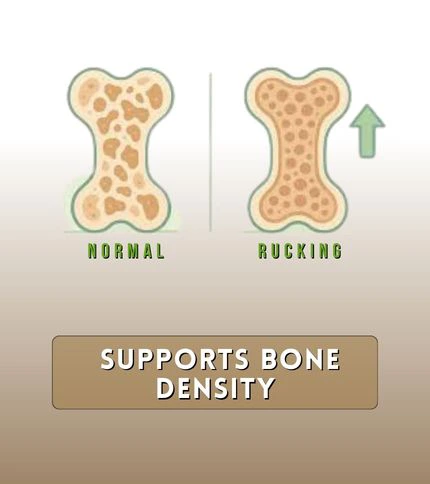
The load carriage training is called Rucking. Bone growth and strengthening take place when the weight is carried by the body on a regular basis.
This assists in raising bone density and also minimizes bone weakness in old age. Rucking to many individuals is a mere exercise of having strong bones and muscles.
8. Builds Mental Toughness
Rucking also trains the mind. Taking long walks with a load will entail patience, concentration, and perseverance.
This leads to psychological strength and discipline. Rucking is employed by many sportsmen and strategic fitness programs to train the body and the mind.

9. Lowers Stress and Enhances Mood
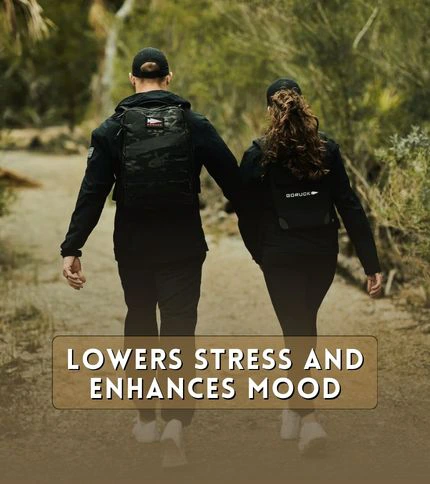
Rucking is commonly carried out outdoors. Outside walking can help relieve stress and increase mood. Outdoor activities also enable an individual to be exposed to nature and have access to the air.
Movement and nature can be used together to clear the mind and enable mental health.
10. Stretchy and Environmentally-Friendly Workout
The simplicity is one of the largest rucking advantages. You can ruck almost anywhere:
- Parks
- Trails
- Neighborhood streets
- Hiking paths
There is no need to have a gym membership or pricey equipment. All that is required is a backpack and weight. Due to this simplicity, rucking is simple enough to fit as a long-term fitness program.
What are the benefits of a Rucking Vest?
There are individuals who use a rucking vest as an alternative to a backpack.
- The weighted vest distributes the weight in the body evenly. This enhances the comfort and balance during exercise.
- A rucking vest may also help increase the stability of the core and make the movements more natural during walking.
- A beginner prefers a vest as it is more stable, and the pressure on the shoulders is also less.
Rucking Benefits Overview Table
| Benefit | How Rucking Helps | Key Result |
|---|---|---|
| Cardiovascular Fitness | Walking with weight increases heart rate | Stronger heart and better endurance |
| Calorie Burn | Extra load increases energy expenditure | Supports fat loss and weight loss |
| Leg Strength | Activates glutes, quads, and calves | Builds lower body strength |
| Core Stability | Body stabilizes the backpack weight | Stronger core and improved posture |
| Joint-Friendly Cardio | Lower impact than running | Safer exercise for joints |
| Bone Density | Load carriage stimulates bone strength | Stronger bones |
| Mental Toughness | Long weighted walks challenge the mind | Increased discipline and resilience |
| Stress Reduction | Outdoor walking improves mood | Better mental well-being |
Frequently Asked Questions (FAQs)
Does rucking build muscle?
Rucking primarily strengthens the legs and ab muscles. Although it is not similar to heavy weightlifting, it assists in the enhancement of muscular endurance and general functional strength.
Compared to running, how good is rucking to you?
Rucking is a friendly cardio workout that does not overstrain the knees like running. It remains a good alternative to most individuals as it enhances stamina, caloric loss, and strength.
What is the recommended weight of beginners rucking?
The initial weight in a backpack should be approximately 1015 pounds (47 kg). With an increase in strength and endurance, the weight and distance may be increased gradually.
Should rucking be done inside or outside?
Rucking can be done outdoors in general, as it is more varied and enhances mental health, like walking in the park, trails, or the neighborhood. Exercise outdoors also serves to relieve stress and improve mood.
What is the frequency of your fitness rucking?
The rucking 23 times a week can be the beginning for beginners. Individuals can be taken through regular cardiovascular fitness sessions, based on 30-60 minutes, to enhance fitness, strength, and general stamina.
Does rucking help to lose weight?
Yes, rucking seems to be able to help lose weight since having extra weight will burn more calories and use more energy. Rucking exercises are a good way of burning fat and gaining muscle and endurance.
What should rucking workout time be?
The average rucking session takes 30 minutes to 90 minutes. Newcomers tend to make shorter walks initially and progressively increase time and distance with the development of stamina.
Are beginners able to find it easy to ruck?
Yes, rucking is easy to get into. One just needs a backpack and weight to begin with. The majority start light and short-range so that the body can become accustomed to it.
Final Thoughts
One of the easiest but most effective things you can do to get fit is rucking. When exercising with weights, it enhances cardiovascular fitness, gains strength, and burns more calories. It is simple, non-vigorous, and can be incorporated into everyday routine.
Rucking can be an effective and long-lasting option to a workout that helps you build endurance, lose fat, and be healthier, without having to commit to complex exercises. Hope you have understand what are the benefits of rucking very well.

Leave a Reply