
A basil salt recipe is a simple way to preserve the aroma of fresh basil by blending the leaves with salt and drying the mixture completely.
If a bunch of basil is starting to outgrow your usual salads and pasta, this method gives those leaves a practical second life without asking you to cook an elaborate dish. The finished seasoning is easy to reach for, flexible enough for breakfast through dinner, and especially useful when you want the flavor of herbs without adding chopped leaves to the food.
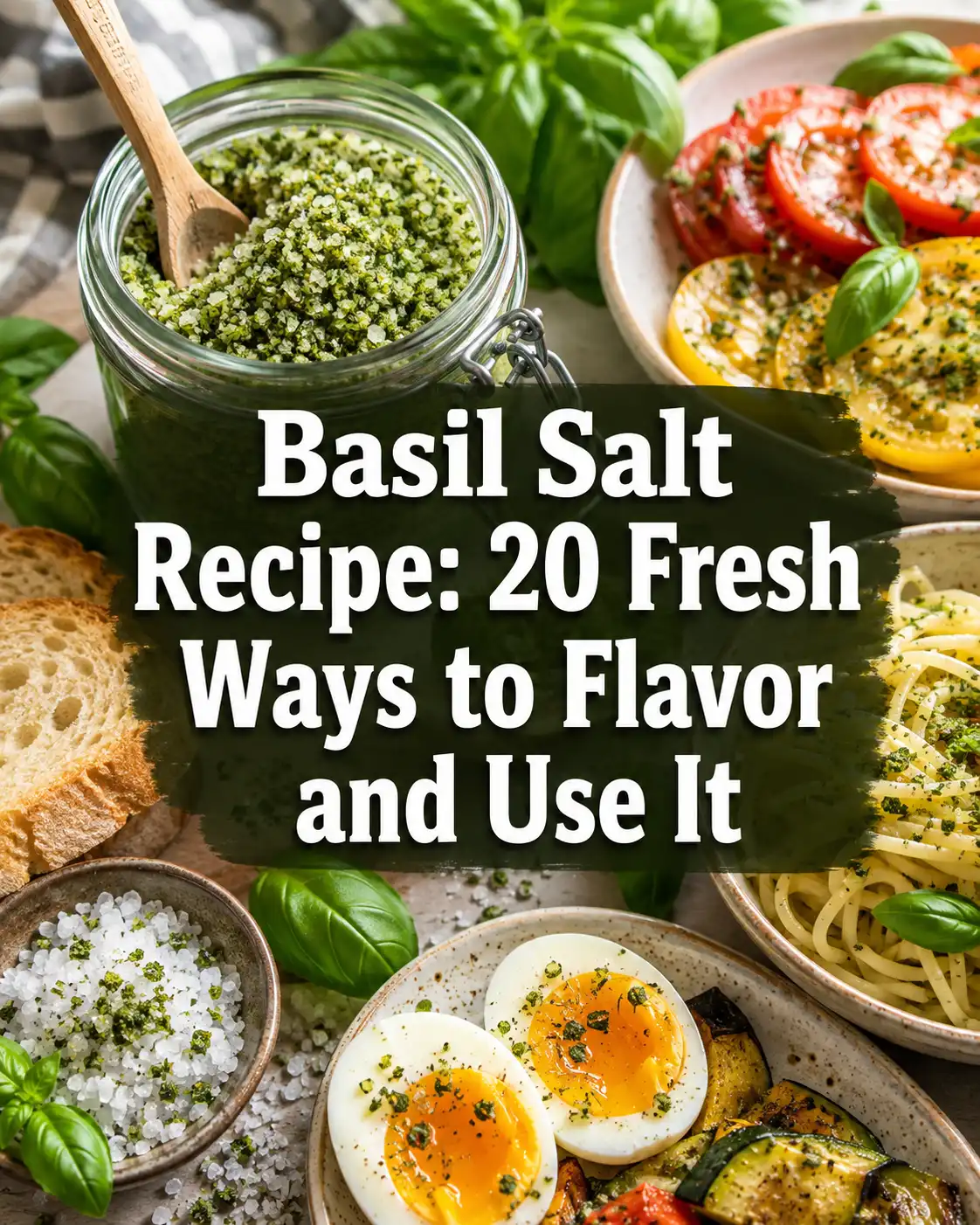
This easy basil salt recipe turns fresh basil and coarse salt into a fragrant green seasoning you can keep beside the stove. Blend 1 cup loosely packed basil leaves with 1 cup kosher salt, dry the mixture completely, and use small pinches to finish tomatoes, eggs, pasta, vegetables, bread, chicken, fish, and more. It also pairs well with homemade herb and garlic breads when you want an easy finishing seasoning.
Key Takeaways
- Blend basil with coarse salt until evenly green.
- Dry the mixture completely before storage.
- Explore 20 basil recipe ideas for everyday meals.
- Add small pinches, then taste and adjust.
- Store the jar away from heat and moisture.
In This Post……
- How Do You Make This Basil Salt Recipe?
- Quick Recipe Summary
- Which Salt Works Best?
- How Much Basil Salt Should You Use?
- What Are the Best Basil Recipe Ideas for This Seasoning?
- How Can You Use Basil Salt in Everyday Meals?
- 11. Finish Fresh Tomatoes and Caprese Salad
- 12. Season Scrambled Eggs and Omelets
- 13. Upgrade Roasted Potatoes
- 14. Make Basil Salt Popcorn
- 15. Finish Pasta with Olive Oil and Parmesan
- 16. Add It to a Basil Pesto Recipe
- 17. Sprinkle It over Grilled or Roasted Vegetables
- 18. Season Chicken, Fish, or Tofu
- 19. Top Focaccia, Flatbread, or Garlic Bread
- 20. Make a Tomato, Cucumber, and Basil Salt Salad
- How Should Basil Salt Be Stored?
- Can You Make Basil Salt Without a Food Processor?
- Frequently Asked Questions
- Final Thoughts
How Do You Make This Basil Salt Recipe?
Wash and thoroughly dry the basil, pulse it with coarse kosher salt, spread it thinly, and dry it at low heat until no moisture remains.
At a Glance
- Use equal cups of basil and kosher salt.
- Remove all surface moisture before blending.
- Dry the mixture in a thin layer.
- Cool completely before sealing the jar.
- Season lightly and taste before adding more.
The basic method is simple: clean the basil, remove as much surface moisture as possible, process it with salt, then dry the mixture until no damp spots remain. A 1-to-1 cup ratio of loosely packed basil and kosher salt creates an easy all-purpose batch with enough salt to distribute the herb evenly.
Quick Recipe Summary
| Detail | Recommendation |
|---|---|
| Basil | 1 cup loosely packed fresh leaves |
| Salt | 1 cup coarse kosher salt |
| Preparation | Pulse in a food processor |
| Drying | Lowest oven setting until completely dry |
| Storage | Airtight jar in a cool, dark, dry cupboard |
| Best use | Finishing food or replacing plain salt in savory recipes |
Ingredients
- 1 cup loosely packed fresh basil leaves
- 1 cup coarse kosher salt
Equipment
- Salad spinner or clean kitchen towels
- Food processor
- Rimmed baking sheet
- Parchment paper
- Clean, completely dry glass jar with a tight lid
Step-by-Step Instructions
- Wash the basil. Rinse the leaves thoroughly under running water. The U.S. Food and Drug Administration’s produce washing guidance recommends washing fresh produce under running water before preparation and drying it with a clean cloth or paper towel afterward.
- Dry the leaves carefully. Spin the basil dry, then spread it over clean towels and blot both sides. Lingering water makes the mixture take longer to dry and encourages clumping.
- Blend the basil and salt. Add both ingredients to a food processor. Pulse until the leaves are finely chopped and the salt is evenly green, stopping once or twice to scrape the bowl.
- Spread it thinly. Line a rimmed baking sheet with parchment. Distribute the mixture in a thin, even layer so moisture can escape instead of collecting in thick patches.
- Dry at low heat. Place the tray in the oven at its lowest setting. Stir and break up clumps every 15 to 20 minutes. The exact time depends on the oven, the basil, and the thickness of the layer, so judge it by dryness rather than the clock.
- Check before storing. The finished mixture should feel dry throughout, with no soft, cool, or damp pockets. Penn State Extension advises drying herbs completely before storage because remaining moisture can support mold growth.
- Cool and jar it. Let the basil salt cool fully, crush any clumps with clean fingers or pulse it briefly, then transfer it to the jar. The National Center for Home Food Preservation recommends keeping dried herbs in airtight containers in a cool, dry, dark place to protect their color and fragrance.
Which Salt Works Best?
| Salt type | Texture after blending | Best use |
|---|---|---|
| Coarse kosher salt | Even and easy to pinch | Everyday cooking |
| Flaky sea salt | Lighter, more delicate flakes | Finishing food at the table |
| Fine sea salt | Very smooth and concentrated | Sauces, doughs, and dressings |
| Iodized table salt | Fine and consistent | Acceptable when it is all you have |
Coarse kosher salt is the easiest starting point because the larger crystals move well in a food processor and remain easy to control by hand. Flaky salt gives a more decorative finish, but processing will break much of its original structure.
How Much Basil Salt Should You Use?
Start with less than the amount of plain salt you would normally add, taste, and adjust. Basil adds aroma, but the mixture is still mostly salt. The FDA lists the Daily Value for sodium as less than 2,300 milligrams per day and considers 20 percent of the Daily Value or more per serving high in sodium.
For finishing, a small pinch is usually enough. When substituting it in a recipe, replace only part of the plain salt first so the basil flavor stays noticeable without making the dish overly salty.
What Are the Best Basil Recipe Ideas for This Seasoning?
The best basil recipe ideas include citrus, garlic, chili, herb, and smoky variations, plus simple uses for tomatoes, eggs, pasta, vegetables, bread, proteins, and snacks.
At a Glance
- Keep one batch classic and divide the rest.
- Add only fully dry flavoring ingredients.
- Match bright blends with fish and vegetables.
- Use savory blends for bread, potatoes, and proteins.
- Label each jar before storing it.
The first ten ideas change the seasoning itself. The final ten use the classic batch in everyday food. Each one begins with the same basil salt recipe, so you can divide a fresh batch into smaller bowls and create several flavors at once.
1. Classic Two-Ingredient Basil Salt
Classic basil salt keeps the fresh, peppery sweetness of basil at the center, with no garlic, citrus, or spice competing for attention. It is more flexible than a complicated herb blend because it can move from breakfast eggs to dinner pasta without pulling either dish in the wrong direction. Keep a small jar beside your regular salt and reach for it whenever a meal needs both seasoning and a clean herbal lift.
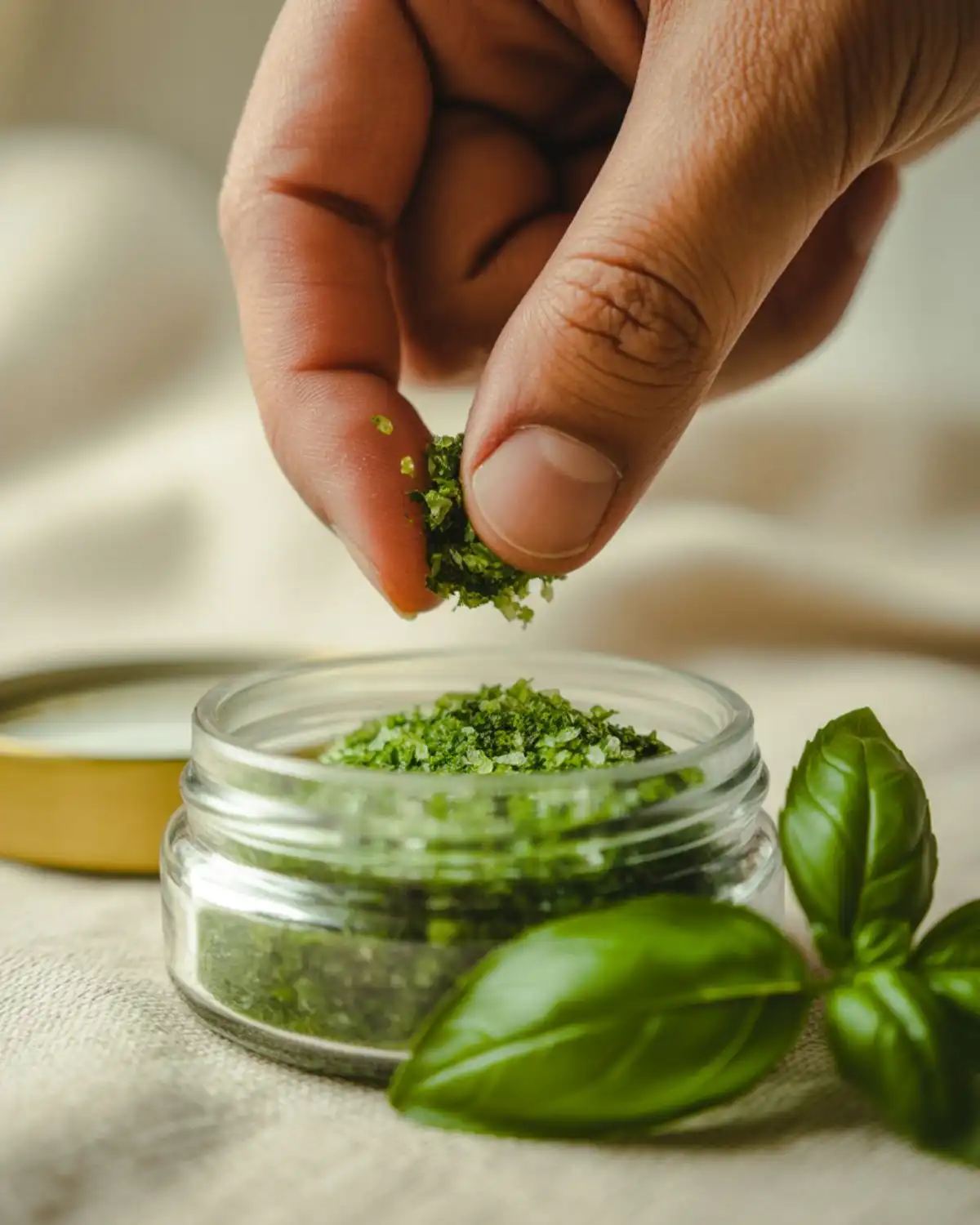
This is the best version for cooks who want one dependable jar rather than a shelf of specialty blends.
Special Tip: Finish the recipe with a brief pulse after drying if you prefer a finer, shaker-friendly texture.
2. Lemon Basil Salt
Lemon basil salt wakes up mild food with a bright aroma before you even take the first bite. It also adds fresh flavor to fruit smoothie recipes that include herbs and citrus garnishes alongside savory brunches. Plain lemon pepper can taste sharp or one-dimensional, while basil rounds the citrus into something greener and softer. Add 1 to 2 teaspoons of finely grated lemon zest to the basil and
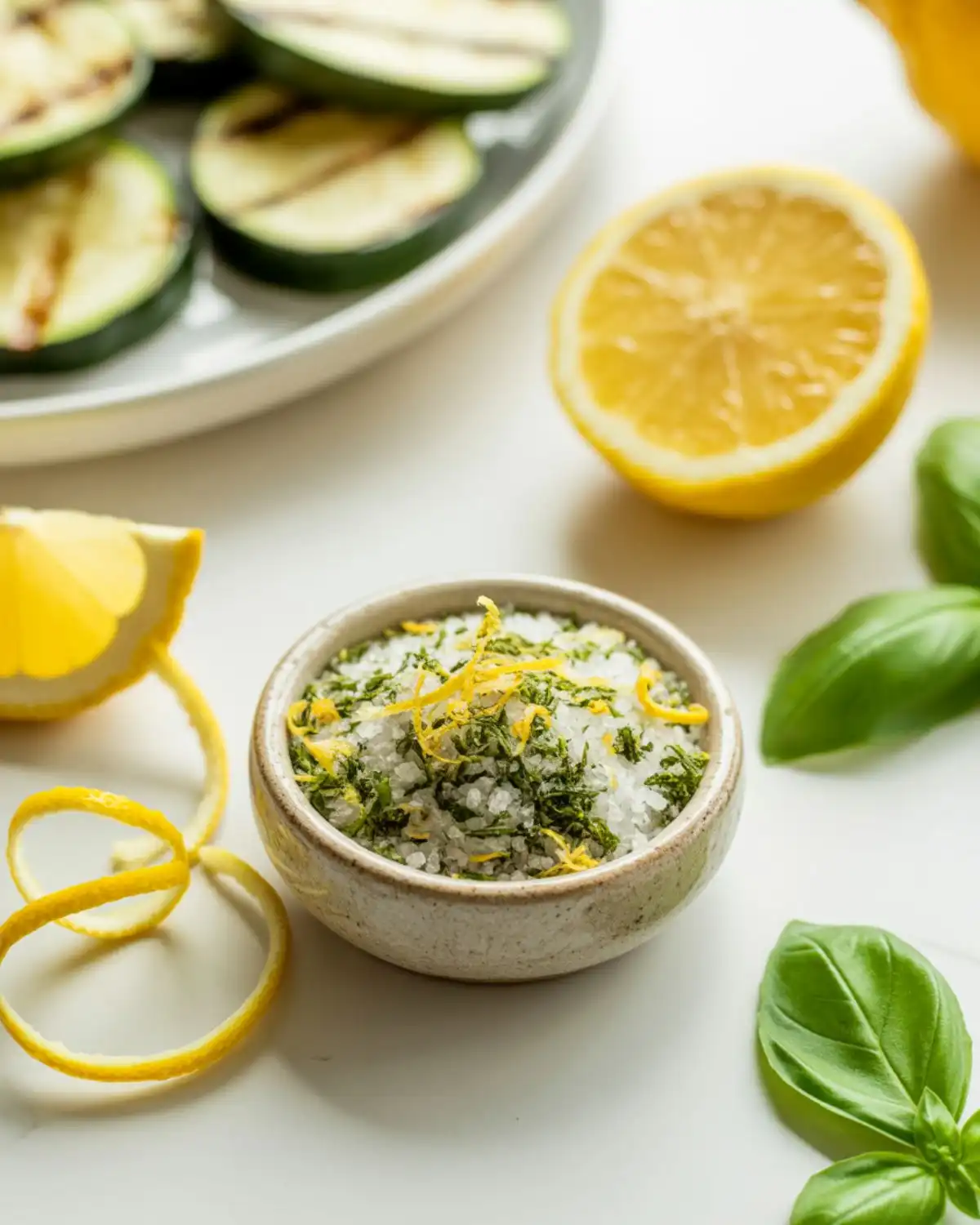
salt before processing, taking care to dry the finished mixture completely. Choose this variation for fish, zucchini, asparagus, pasta salad, or any plate that feels heavy and needs a fresher edge.
Use only the colored outer peel and avoid the bitter white pith. A microplane produces small pieces that disperse more evenly through the salt.
3. Garlic Basil Salt
Garlic basil salt gives you the flavor direction of garlic bread in a single pinch. Unlike bottled garlic salt, the basil keeps it from tasting flat and makes the blend feel suited to vegetables as well as bread. Mix 1 teaspoon of garlic powder into each half cup of finished basil salt rather than adding fresh garlic, which introduces extra moisture. It belongs in the cupboard of anyone who regularly
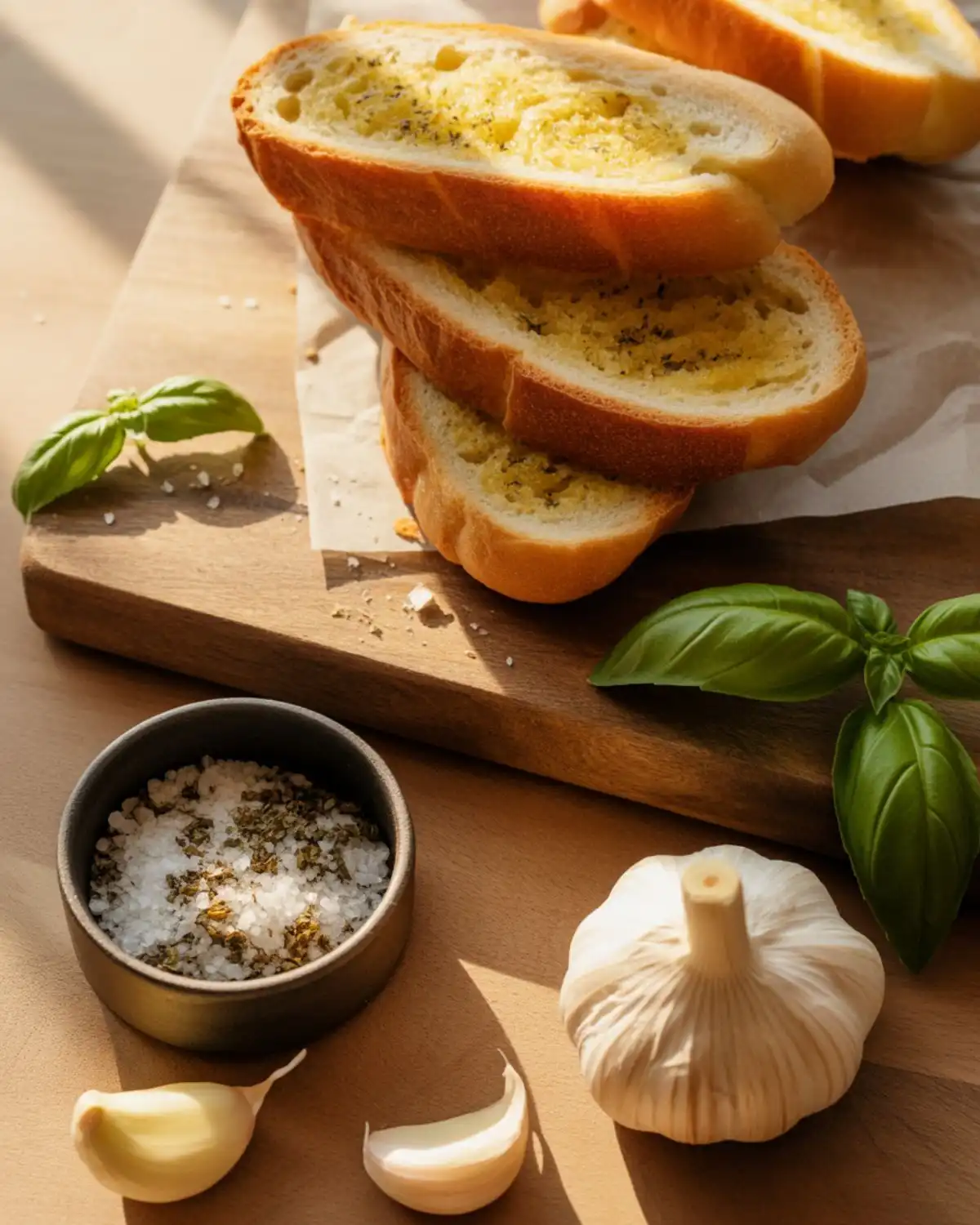
cooks potatoes, mushrooms, pizza, pasta, or toast and wants faster seasoning without chopping another clove.
Special Tip: Stir this blend into softened unsalted butter, then spread it over bread before baking.
4. Chili Basil Salt
Chili basil salt starts aromatic and ends with a controlled flicker of heat. A plain hot seasoning often overwhelms delicate basil, but crushed red pepper or mild chili flakes let both flavors remain recognizable. Stir 1/4 teaspoon of chili flakes into half a cup of basil salt, taste, and increase gradually rather than making the whole batch aggressive. This jar suits pizza nights, roasted cauliflower,

grilled corn, avocado toast, and cooks who like heat as an accent instead of the main event.
For a smoother blend, pulse the chili flakes with the dried salt. Leave them whole when you want visible red flecks.
5. Black Pepper Basil Salt
Black pepper basil salt works like a complete tabletop seasoning for savory meals. Regular salt and pepper require two separate passes, while this blend distributes herbal aroma, salinity, and peppery warmth at once. Stir 1 teaspoon of freshly ground black pepper into one cup of finished basil salt and keep the grind medium rather than powdery. It is especially useful for eggs, tomato sandwiches, grilled
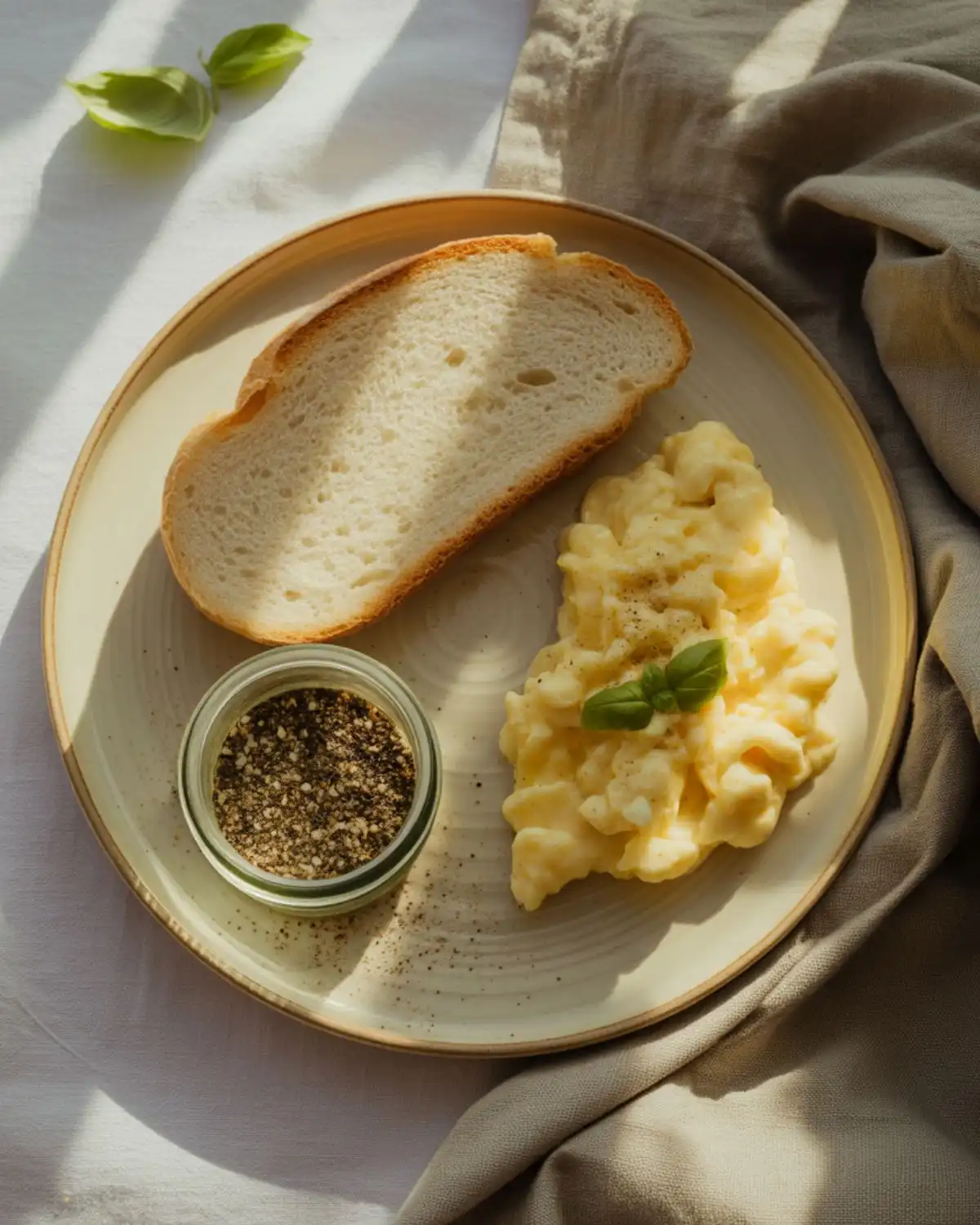
chicken, creamy soups, and weeknight cooks who want fewer jars cluttering the counter.
Special Tip: Add the pepper after drying so its aroma stays stronger.
6. Rosemary Basil Salt
Rosemary basil salt brings together basil’s softness and rosemary’s pine-like depth. Rosemary alone can dominate a dish, but pairing a small amount with basil makes the blend easier to use on potatoes, beans, chicken, and bread. Process 1 teaspoon of finely chopped dried rosemary with one cup of finished basil salt until the needles are broken into small pieces. Keep this version for cooler-
weather meals or rustic recipes where classic basil salt might feel too light.
A restrained amount matters here. The blend should smell like basil first, with rosemary appearing in the background.
7. Oregano Basil Salt
Oregano basil salt gives tomato-based dishes a quick Italian-inspired finish without turning into a generic seasoning mix. Many commercial blends add several herbs at once, but this two-herb combination stays clear and easy to identify. Rub 1 teaspoon of dried oregano between your palms, then stir it into one cup of basil salt to release its aroma. This is the jar to use for marinara, baked pasta,

pizza, white beans, roasted peppers, or anyone who wants familiar flavor without measuring five different seasonings.
Special Tip: Sprinkle it after pizza comes out of the oven so the basil aroma does not disappear under prolonged heat.
8. Smoked Paprika Basil Salt
Smoked paprika basil salt adds warmth and a gentle wood-fired character without requiring an outdoor grill. Straight smoked salt can take over a dish, whereas basil keeps this version fresher and more suitable for summer vegetables. Mix 1/2 teaspoon of smoked paprika into half a cup of finished basil salt, then shake the jar until the color looks even. It works best for corn, potatoes, chickpeas, chicken, tofu, and
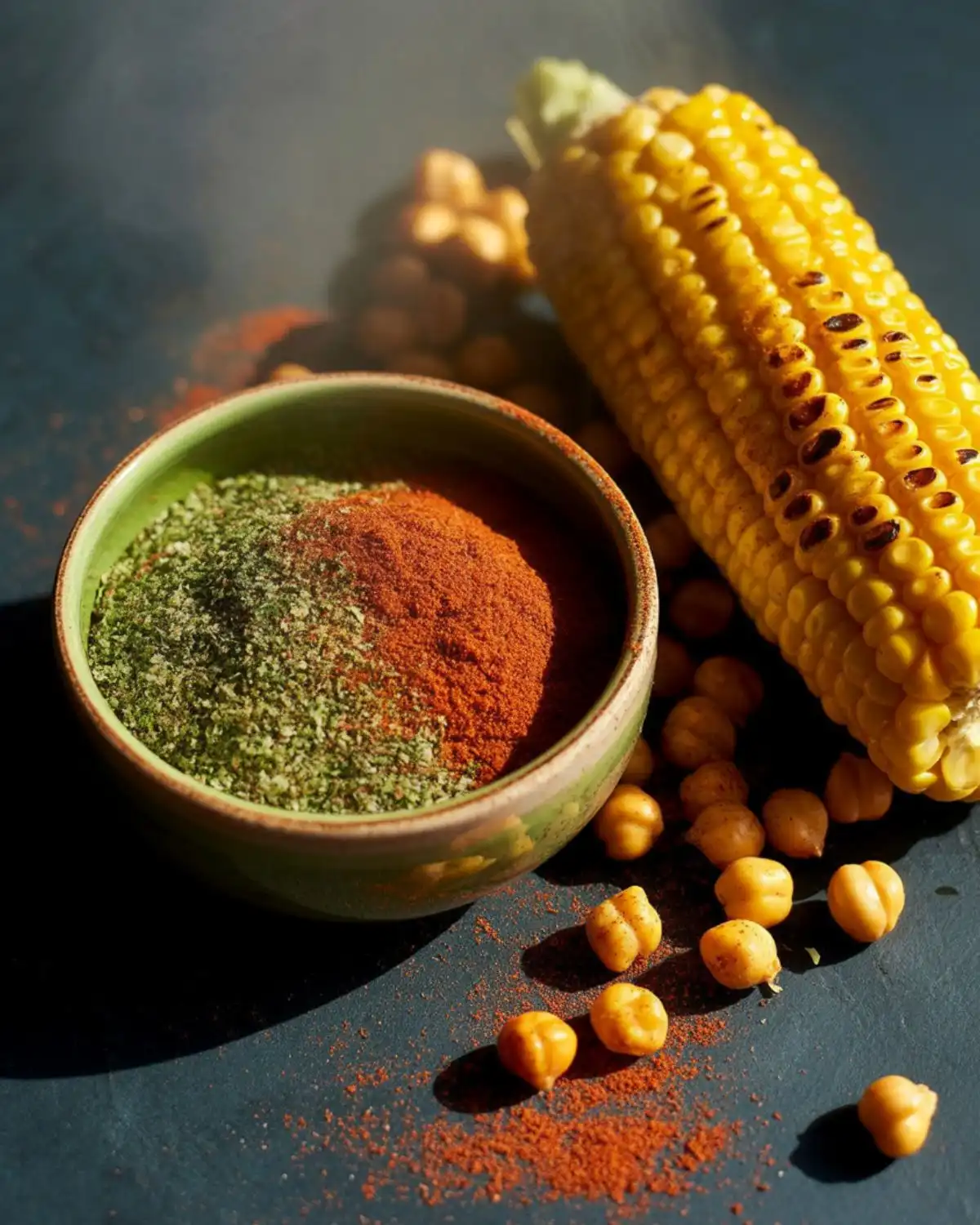
cooks who want grilled flavor on an ordinary sheet-pan dinner.
Start with sweet smoked paprika. Hot paprika can be added later in tiny amounts when more heat is welcome.
9. Fennel Basil Salt
Fennel basil salt has a light anise aroma that makes simple tomato and sausage dishes taste more deliberate. Whole fennel seeds can feel bulky and sudden in a bite, but lightly crushing them allows the flavor to spread through the salt. Toast 1/2 teaspoon of fennel seeds in a dry pan, cool them, crush them, and combine with half a cup of basil salt. Reach for this blend when cooking roasted tomatoes, white beans,
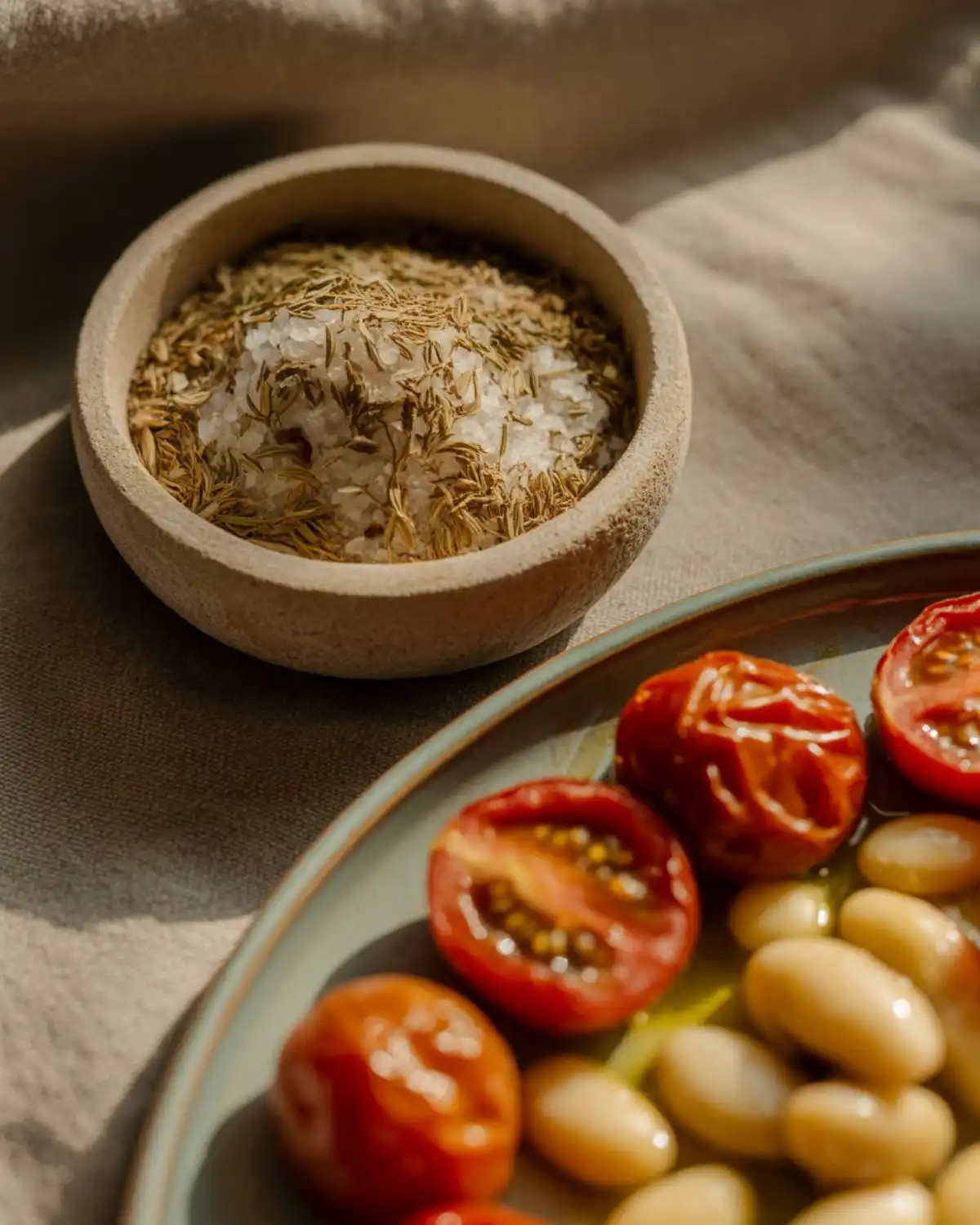
meatballs, sausage, or vegetables that need a savory Mediterranean-style direction.
Special Tip: Keep the fennel subtle. Too much will cover the basil instead of supporting it.
10. Tomato Basil Salt
Tomato basil salt concentrates the flavor pairing people already love in soup, pasta, and caprese salad. Fresh tomato cannot be blended into a pantry salt because it adds too much water, but dry tomato powder provides color and tang without making the jar wet. Stir 1 teaspoon of tomato powder into half a cup of basil salt and sift if small clumps appear. This variation is made for popcorn, focaccia,
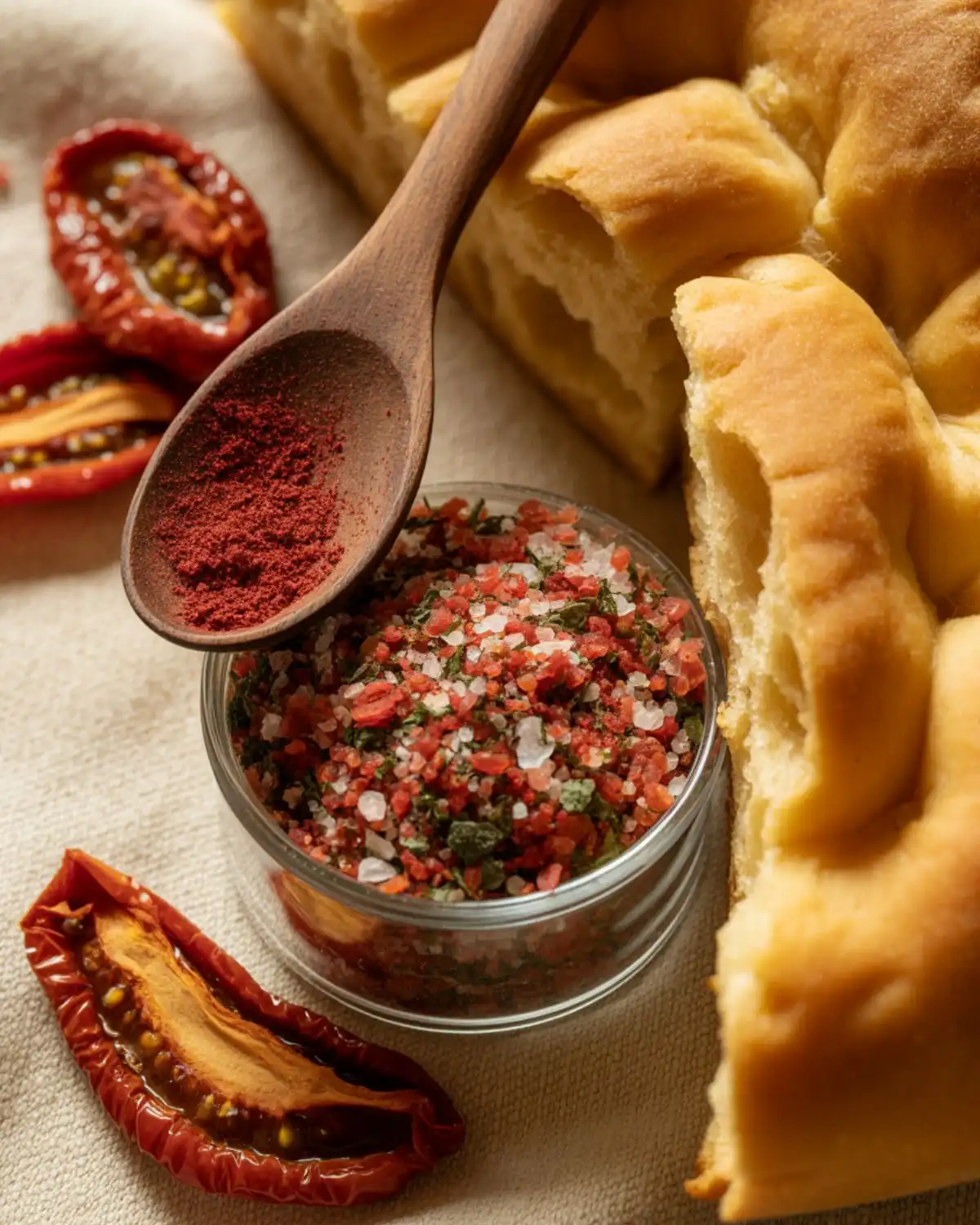
roasted vegetables, pasta, and anyone who wants a tomato-basil note even when ripe tomatoes are out of season.
Check the tomato powder label before adding more salt. Some products already contain sodium.
How Can You Use Basil Salt in Everyday Meals?
Use basil salt as a finishing seasoning or as a partial replacement for plain salt in eggs, pasta, vegetables, bread, snacks, and proteins.
At a Glance
- Finish tomatoes, salads, and cooked vegetables.
- Season eggs, potatoes, pasta, and popcorn.
- Add it carefully to pesto and bread.
- Pair lemon basil salt with fish.
- Taste before adding a second pinch.
These ideas use the classic version, although lemon, garlic, chili, and black pepper variations can be swapped in where they fit. Add basil salt near the end when you want the aroma to stay noticeable, or use it earlier when you want the flavor to blend into the dish.
11. Finish Fresh Tomatoes and Caprese Salad
Fresh tomatoes are the quickest place to understand why basil salt deserves a permanent jar. Adding plain salt and separate basil works, but the infused crystals spread the herb flavor more evenly across every slice. Arrange ripe tomatoes with mozzarella or burrata, add olive oil, then finish with a restrained pinch just before serving. This idea is ideal when the produce is already
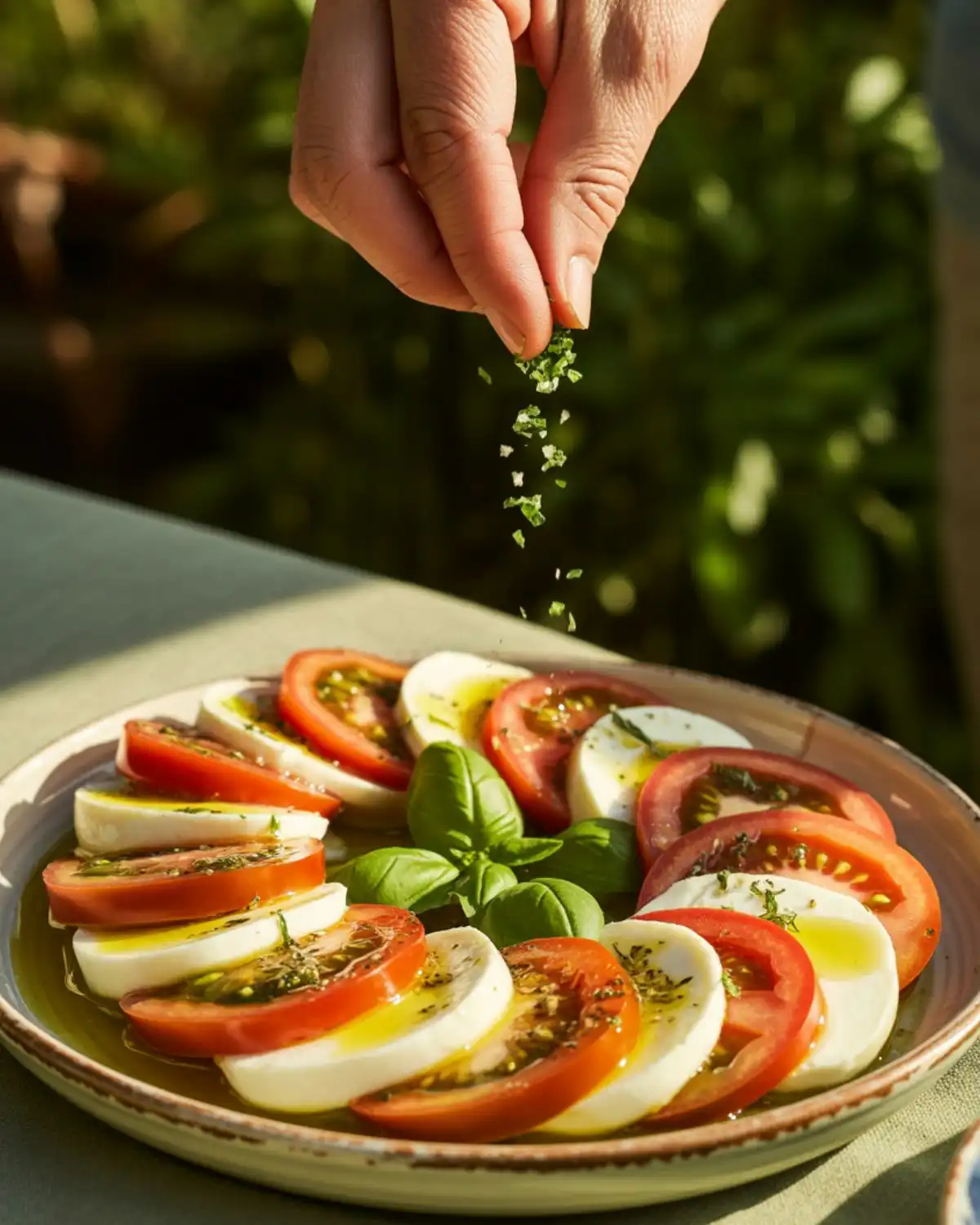
excellent and the goal is to make it taste more vivid rather than cover it with dressing.
Special Tip: Salt the tomatoes at the last moment if you want them to stay firm on the platter.
12. Season Scrambled Eggs and Omelets
Basil salt gives eggs a fresh savory note without adding wet herbs that can darken or clump in the pan. Heavy seasoning blends often make delicate eggs taste like everything else, while this one keeps breakfast light and clean. Add a pinch to beaten eggs before cooking, then taste and finish with another tiny pinch only if needed. It is particularly good for omelets filled with tomato, mozzarella, spinach, mushrooms, or leftover roasted vegetables.

For soft scrambled eggs, add most of the seasoning near the end so you can control the final salt level.
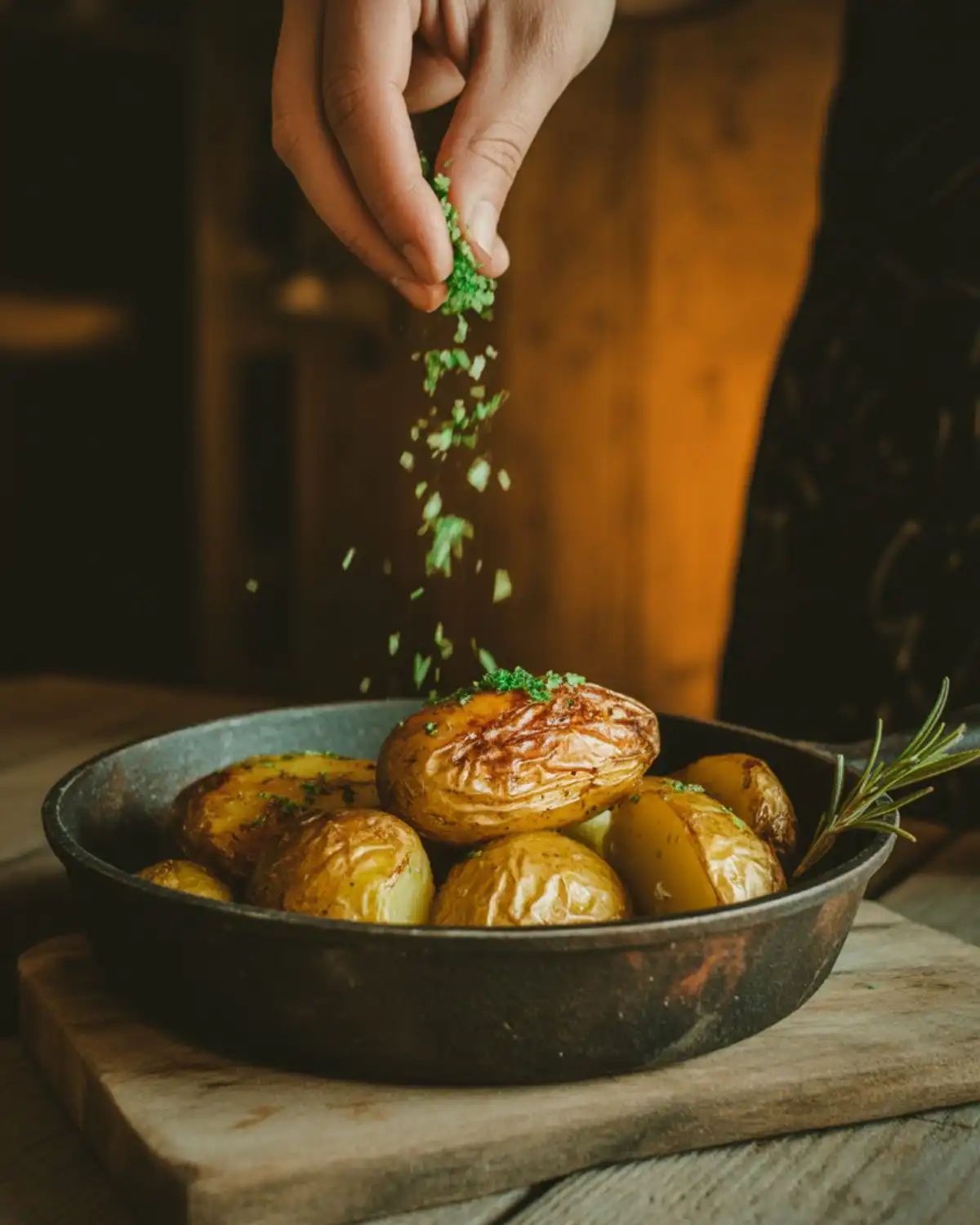
13. Upgrade Roasted Potatoes
Roasted potatoes absorb basil salt in their crisp edges and soft centers, making a basic side feel planned rather than automatic. Pesto can burn or become oily at high heat, but dry basil salt seasons the potatoes without adding extra moisture. Toss the potatoes with oil and a modest amount before roasting, then add a final pinch after they leave the oven. Choose this method for brunch, grilled dinners, or sheet-pan
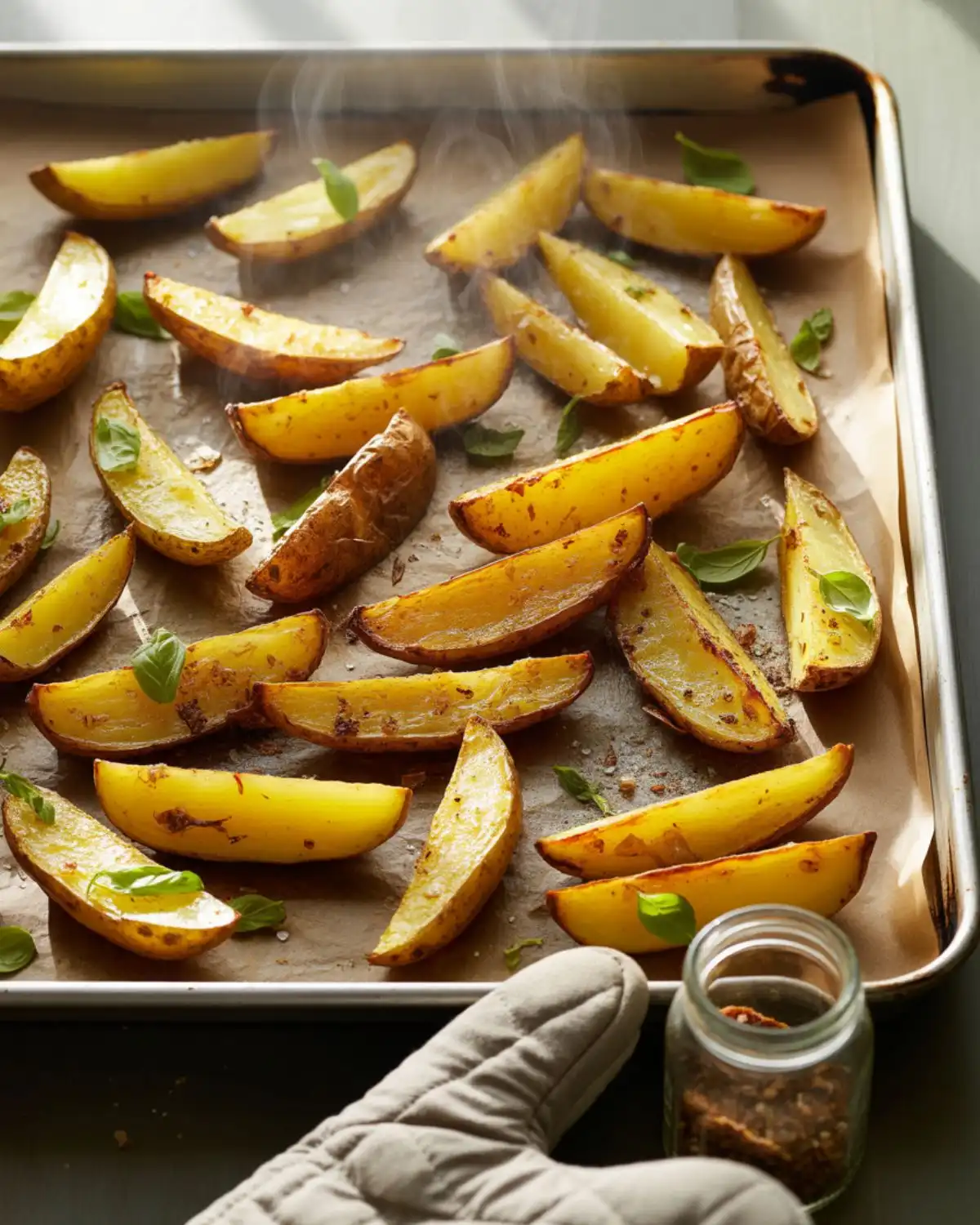
meals where the potatoes need to work with several other flavors.
Special Tip: The garlic or rosemary variation is especially effective here.
14. Make Basil Salt Popcorn
Basil salt popcorn is unexpectedly good because the herb turns a familiar snack into something closer to a savory appetizer. If you’re putting together food for outdoor gatherings, it also complements these picnic food ideas. Standard flavored popcorn powders can taste artificial or overly intense, whereas a homemade blend stays simple and adjustable.

Toss hot popcorn with melted butter or olive oil, then add a little basil salt while the surface is still coated. This is a practical choice for movie night, casual entertaining, or using the last spoonful from a jar before making a fresh batch.
Add finely grated Parmesan only when serving, not to the stored basil salt itself.
15. Finish Pasta with Olive Oil and Parmesan
A bowl of hot pasta needs very little when basil salt is available. Jarred sauce can hide the basil, while olive oil and Parmesan leave enough space for the seasoning to be noticed. Toss cooked pasta with good olive oil, a splash of pasta water, grated Parmesan, and a small pinch of basil salt, then taste before adding more. It is best for rushed dinners, side dishes, or evenings when the fridge looks empty but you still want something that tastes complete.
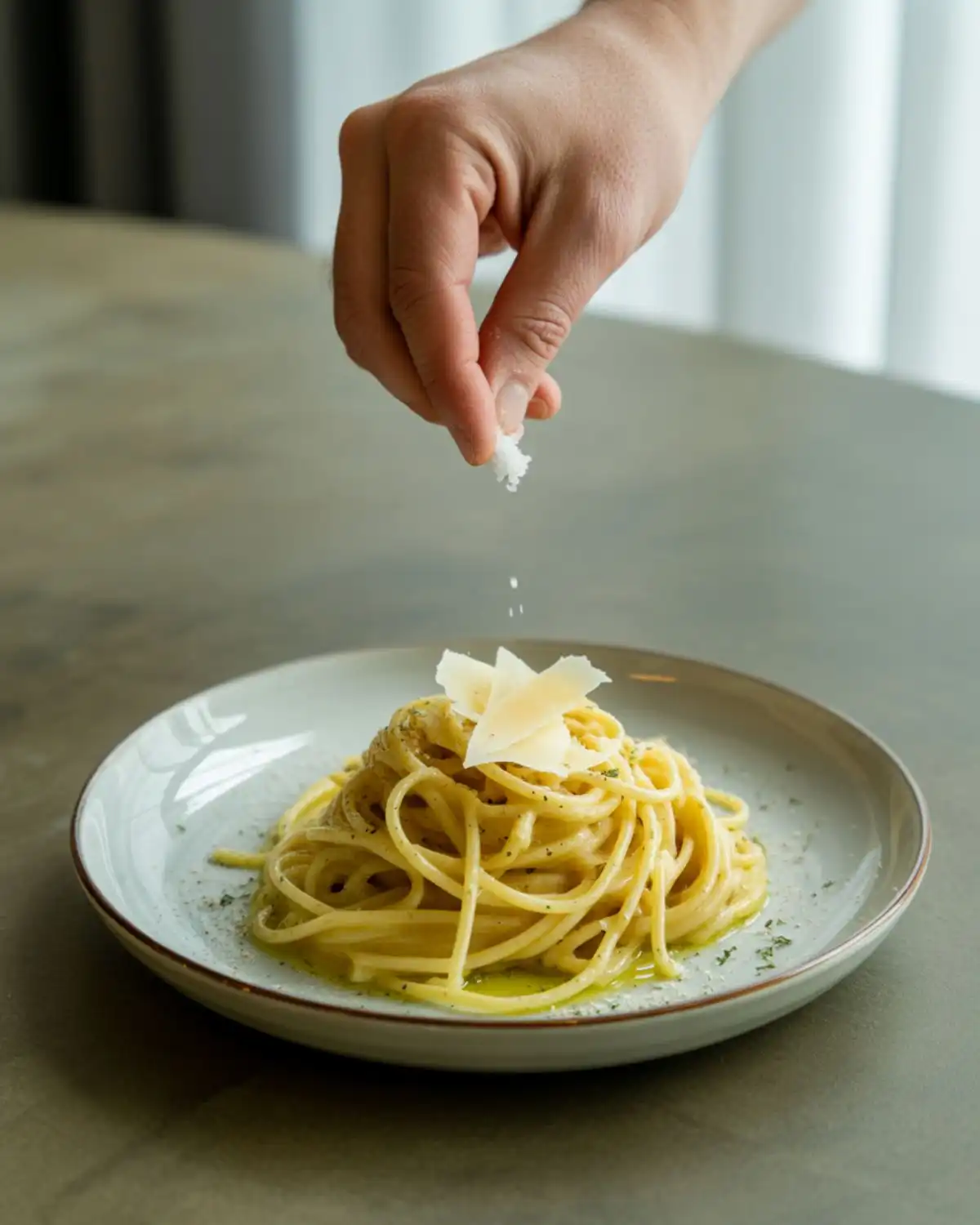
The lemon basil version works particularly well with spaghetti, peas, zucchini, or shrimp.
16. Add It to a Basil Pesto Recipe
Basil salt can reinforce a basil pesto recipe without adding another competing flavor. Using it spoon for spoon in place of ordinary salt may make the pesto too salty, so begin with a small amount and adjust after the cheese goes in. Blend fresh basil, nuts, garlic, olive oil, and cheese as usual, then season gradually with basil salt. This approach is useful when fresh basil tastes mild or when
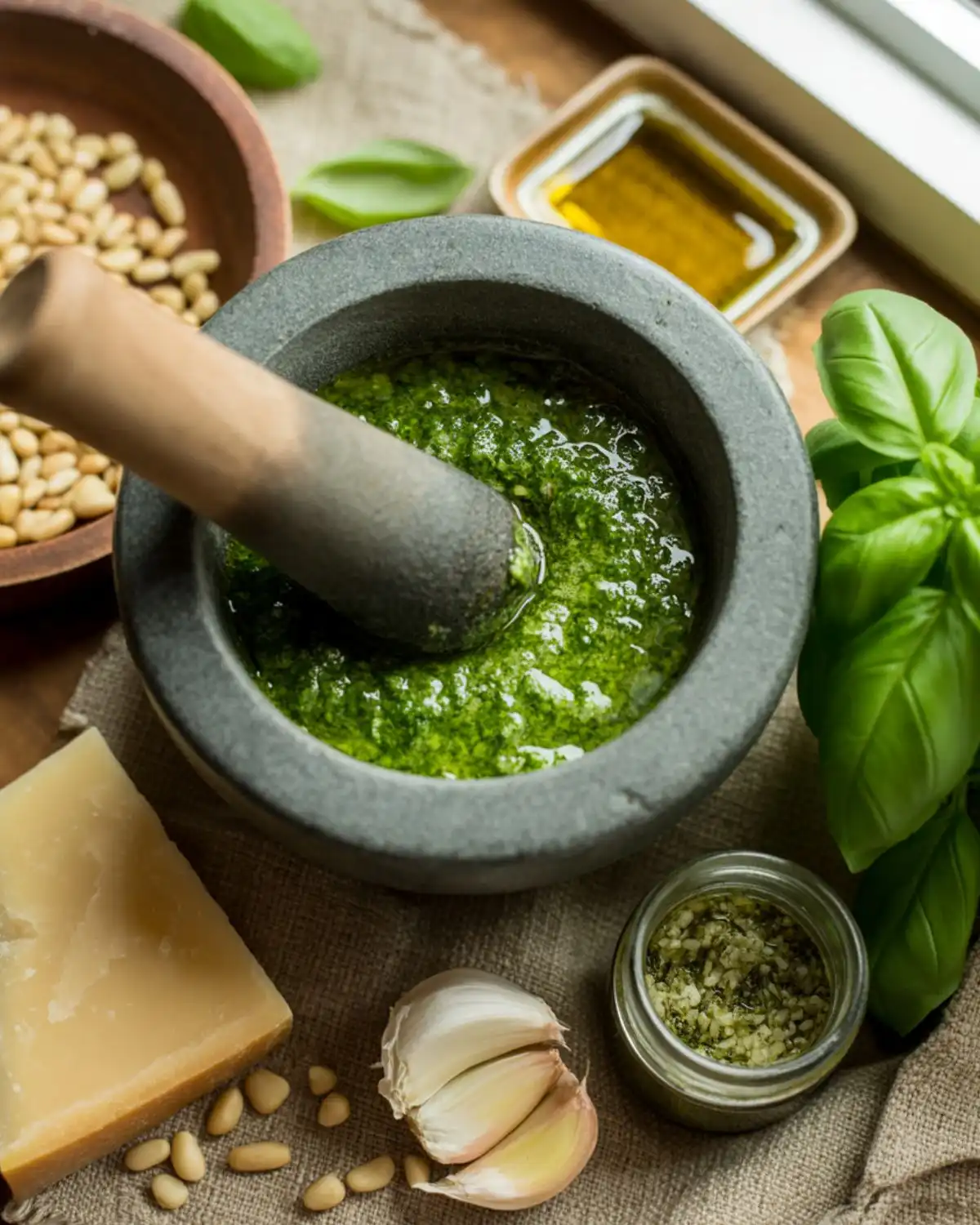
you want the finished pesto to hold onto a deeper herbal note after it meets hot pasta.
Special Tip: Parmesan and Pecorino are already salty, so taste the pesto after adding cheese and before adding the seasoning.
17. Sprinkle It over Grilled or Roasted Vegetables
Basil salt gives vegetables a clean finish that works across several textures and cooking methods. Thick sauces can make crisp vegetables soggy, but a dry seasoning preserves charred edges and caramelized surfaces. Use it on zucchini, eggplant, peppers, asparagus, green beans, mushrooms, or summer squash immediately after cooking. This option fits mixed platters and
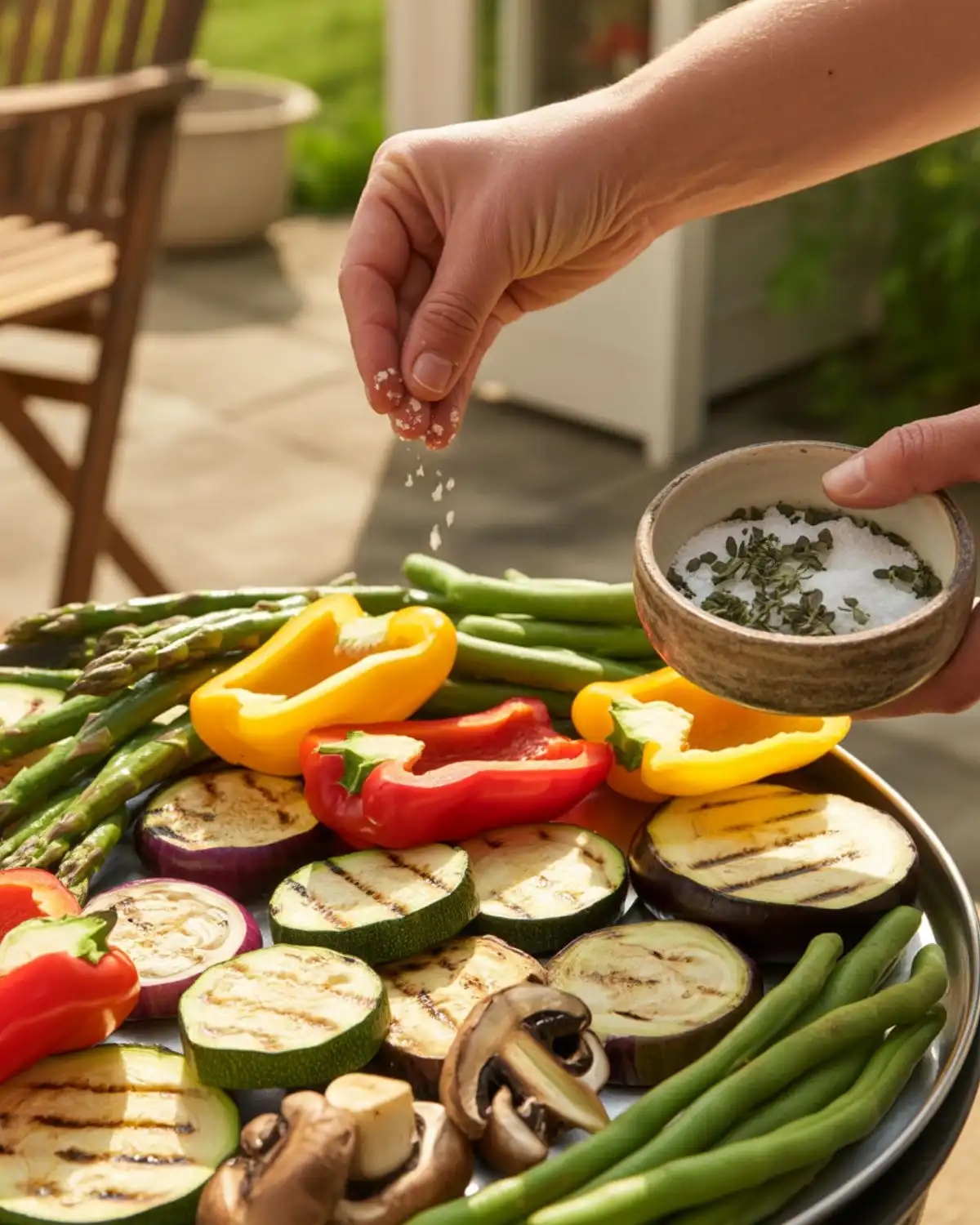
family meals because everyone can add a little more at the table without changing the whole dish.
Try smoked paprika basil salt for mushrooms and eggplant, or lemon basil salt for asparagus and zucchini.
18. Season Chicken, Fish, or Tofu
Chicken, mild fish, and tofu all benefit from basil salt because they provide a neutral base for the herb. A wet marinade needs planning time, while this seasoning can be applied minutes before cooking or used as a finishing pinch. Combine it with olive oil and black pepper, coat the food lightly, and cook using your preferred method. It suits weeknight cooks who want an easy flavor direction that can still pair with rice, potatoes, salad, or pasta.
For fish, the lemon variation is the natural match. For tofu or chicken, garlic and chili versions provide more depth.
19. Top Focaccia, Flatbread, or Garlic Bread
Basil salt makes bread smell like the herb garden before it reaches the table. Mixing fresh basil directly into dough can create dark flecks and uneven pockets, while a surface seasoning gives a clearer aroma and a more attractive finish. Sprinkle a modest amount over focaccia or flatbread before baking, or stir it into butter for garlic bread. Bakers who enjoy savory bread will appreciate that one jar
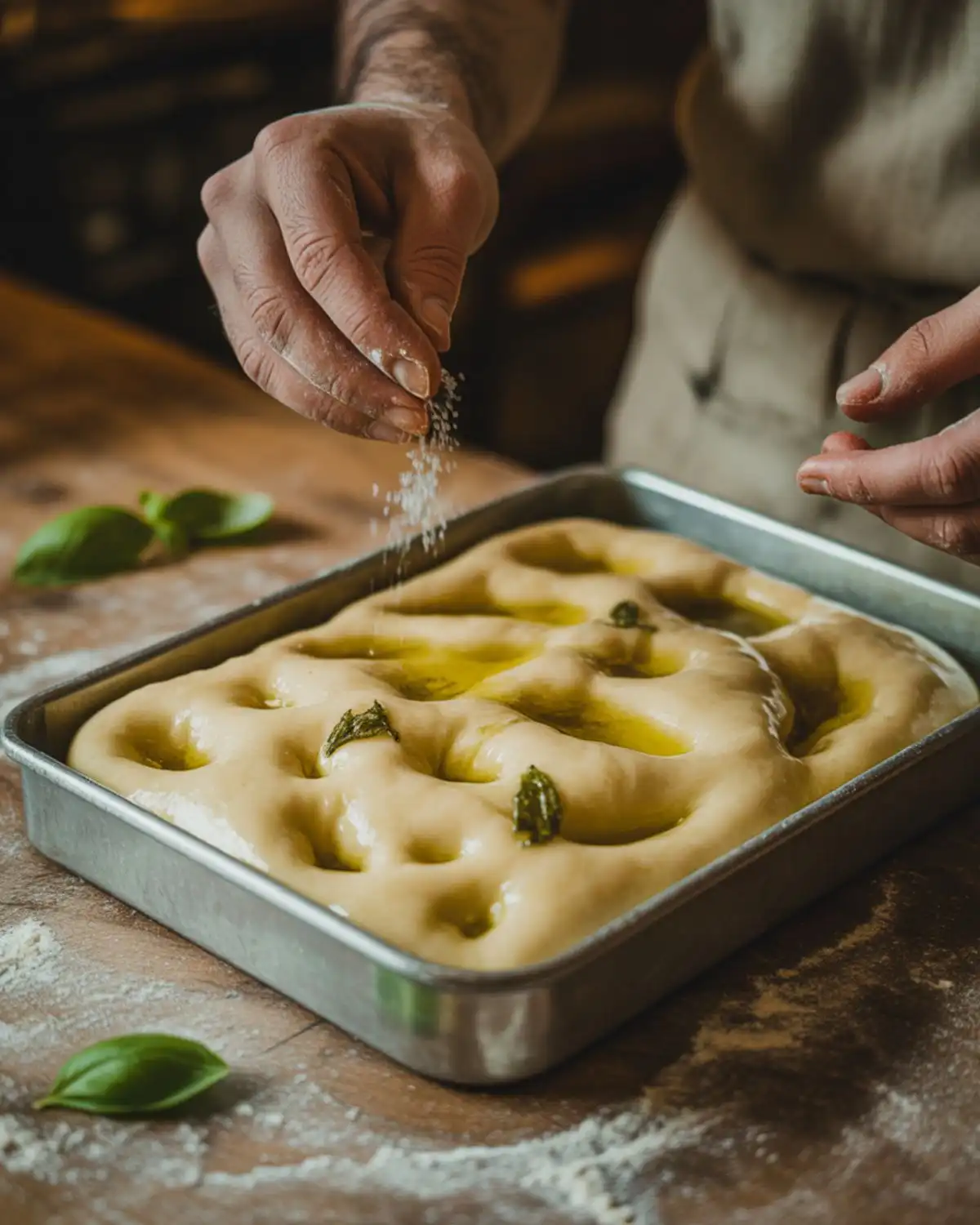
can season both the dough and the final crust.
Special Tip: Use flaky basil salt on top and finer basil salt inside the dough.
20. Make a Tomato, Cucumber, and Basil Salt Salad
This simple salad turns a few summer ingredients into a side that feels complete without a bottled dressing. It also works beautifully beside other chickpea salad recipes for a light summer meal. Plain salt seasons the vegetables, but basil salt also connects the tomato, cucumber, and olive oil into one flavor. Toss chopped tomatoes and cucumbers with olive oil and a splash of
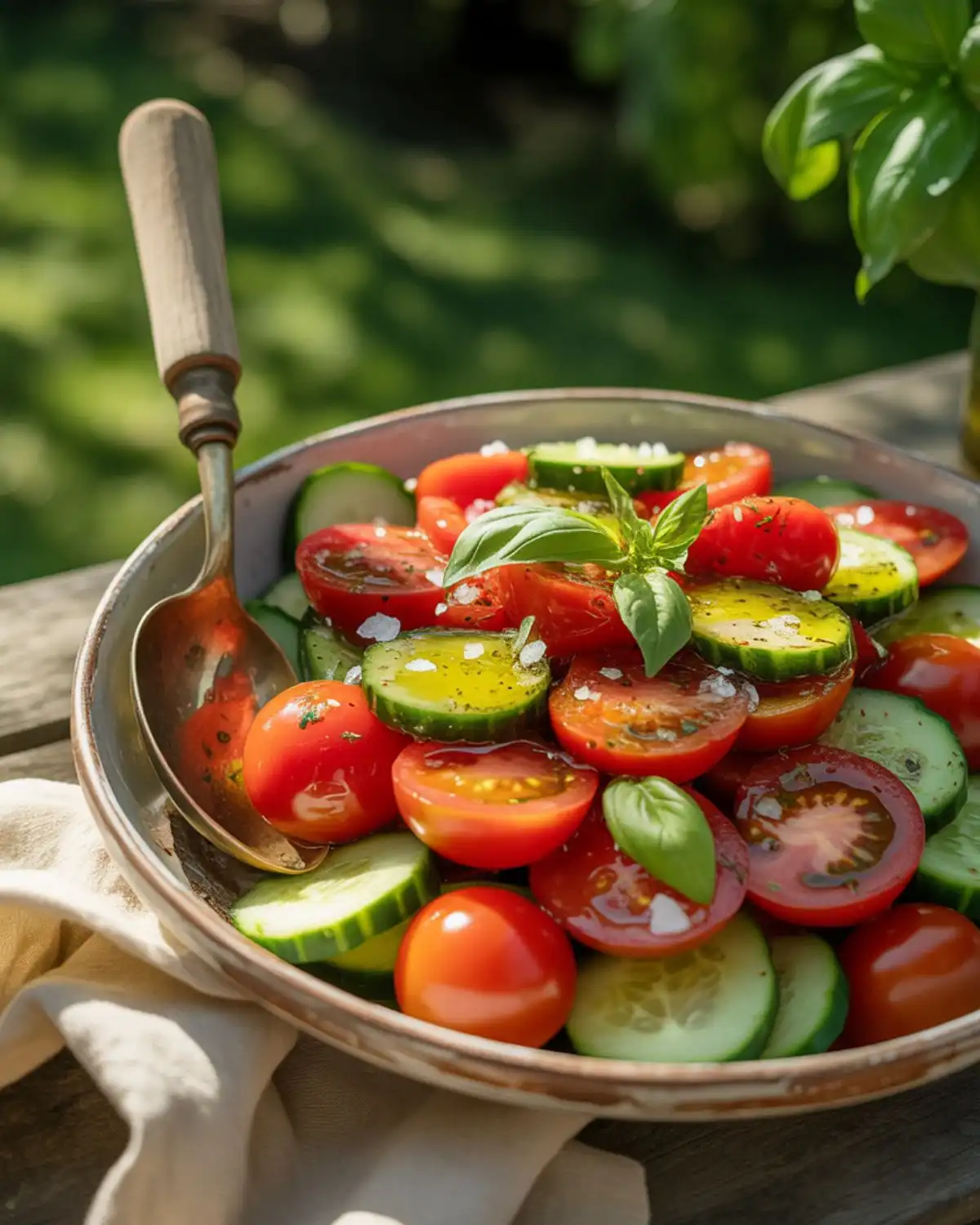
vinegar, then finish with basil salt just before serving. It is the best closing idea for gardeners, picnic cooks, and anyone searching for fresh basil recipes that do not require turning on the oven.
Add white beans, mozzarella, chickpeas, or toasted bread cubes when you want to make it more substantial.
How Should Basil Salt Be Stored?
Store completely dried basil salt in a clean, airtight jar in a cool, dark, dry cupboard, and keep wet utensils away from it.
At a Glance
- Cool the seasoning before filling the jar.
- Seal the lid tightly after every use.
- Keep it away from heat and sunlight.
- Use only clean, dry spoons.
- Discard damp or visibly spoiled seasoning.
Use a clean jar that is completely dry before filling it. Keep the lid tight and place the jar away from the stove, sink, direct sun, and other sources of heat or moisture. Both the National Center for Home Food Preservation and Penn State Extension recommend airtight storage in a cool, dry, dark area for dried herbs.
For the strongest flavor, make a modest batch and use it within about three months. Two of the reviewed basil salt recipes also recommend a roughly three-month quality window, although exact flavor life will vary with dryness, storage conditions, and how often the jar is opened.
Discard the mixture if it becomes damp, develops an unusual odor, or shows visible spoilage. Never put a wet spoon into the jar.
Can You Make Basil Salt Without a Food Processor?
Yes. Finely mince thoroughly dried basil, mix it with salt by hand or with a mortar and pestle, then dry and store it using the same method.
At a Glance
- Chop the basil as finely as possible.
- Use a bowl or mortar and pestle.
- Expect a slightly more rustic texture.
- Spread the mixture evenly for drying.
- Confirm complete dryness before storage.
Yes. Finely mince thoroughly dried basil with a sharp knife, combine it with the salt in a bowl, and rub the mixture between clean fingers until the herb is evenly distributed. A mortar and pestle also works for a small batch.
The texture will be more rustic than a machine-processed version, but the flavor will still spread well. Continue with the same low-temperature drying and storage steps.
Frequently Asked Questions
Can I Use Basil Stems in Basil Salt?
Tender upper stems can be included in small amounts because they carry basil flavor, but thick or woody stems may leave tough pieces. Leaves produce the smoothest texture. Save the tender pieces for sauces or other fresh basil recipes when you want to avoid waste.
Can I Make Basil Salt with Dried Basil?
Yes, although it will taste different from a fresh basil recipe. Mix dried basil with salt to taste and store it immediately; no additional oven-drying is needed if both ingredients are already fully dry. This is one of the fastest basil recipe ideas when fresh leaves are unavailable.
Why Did My Basil Salt Turn Pale Green?
Fresh basil naturally loses some of its vivid color as moisture leaves during drying. Lower heat and shorter drying time can help preserve color, but complete dryness matters more than brightness. A lighter color alone does not indicate spoilage when the seasoning is fully dry and smells normal.
Why Is My Basil Salt Clumping?
Homemade herb salts do not usually contain anti-caking additives, so light clumping is normal. Shake the jar, crush the clumps with clean dry fingers, or pulse the salt briefly before use. As with many dried herbs, keeping moisture out of the jar helps limit larger clumps.
Can I Use Basil Salt as a Finishing Salt?
Yes. Add a small pinch just before serving so the basil aroma remains noticeable and the salt provides a light textural finish. It also works in a basil pesto recipe when added carefully after the cheese.
Final Thoughts
A good basil salt recipe solves two problems at once: it uses a generous basil harvest and creates a seasoning that makes ordinary food easier to finish well. Begin with the classic two-ingredient batch, then divide it into lemon, garlic, chili, pepper, oregano, rosemary, or smoked paprika variations.
The most useful jar is the one that fits the food you already cook. Put it on tomatoes, eggs, potatoes, popcorn, pasta, vegetables, bread, chicken, fish, tofu, or pesto, and use a light hand so basil remains the point rather than disappearing under too much salt. You can also use it to elevate simple healthy summer meals built around fresh seasonal produce.

Leave a Reply