
Herb and garlic breads turn a plain loaf into the best part of the meal using two ingredients you probably already have:
fragrant herbs like rosemary, basil, or oregano and garlic in whatever form suits you: minced, roasted, or powdered. Quick versions built on store-bought bread take under 20 minutes start to finish, while yeasted loaves need 1 to 3 hours to rise properly. Below are 25 different herb and garlic breads, ranging from 5-minute garlic butter toast to a slow-fermented rosemary sourdough boule, so there’s a version here no matter how much time or energy you have tonight.

Herb and garlic breads are baked goods made by combining garlic (fresh, roasted, or powdered) with herbs like rosemary, basil, or oregano, ranging from 5-minute garlic butter toast to slow-fermented rosemary garlic sourdough loaves.
Key Takeaways
- 25 herb and garlic bread recipes ranging from quick to advanced
- Quick garlic butter toast takes just 5 minutes active time
- Try garlic rosemary sourdough for a tangy, fermented option
- Fresh herbs work best in quick recipes; dried herbs hold up in longer rises
- Roasted garlic offers a milder, sweeter flavor than fresh
- Most yeasted loaves freeze well for up to three months
In This Post……
- Which Herb and Garlic Bread Should You Bake First?
- How to Choose Fresh vs. Dried Herbs for Garlic Bread
- 25 Herb and Garlic Bread Recipes to Bake This Week
- 1. Classic Herb and Garlic Butter Bread
- 2. Rosemary Garlic Focaccia
- 3. Garlic Rosemary Sourdough
- 4. Roasted Garlic Bread
- 5. Garlic Herb Pull-Apart Bread
- 6. Rosemary Olive Oil Bread
- 7. Garlic Herb Naan
- 8. Herb and Garlic Breadsticks
- 9. Garlic Parmesan Knots
- 10. Rosemary Garlic Flatbread
- 11. Garlic Herb Ciabatta
- 12. Whole Wheat Garlic Herb Bread
- 13. Garlic Herb Monkey Bread
- 14. Rosemary Garlic Crostini
- 15. Garlic Herb Dinner Rolls
- 16. Roasted Garlic and Herb Baguette
- 17. Garlic Herb Cornbread
- 18. Sourdough Garlic Herb Bagels
- 19. Garlic Herb Biscuits
- 20. Rosemary Sourdough Boule
- 21. Garlic Herb Pretzel Bites
- 22. Herb and Garlic No-Knead Bread
- 23. Garlic Rosemary Skillet Bread
- 24. Herb Garlic Bread Bowl
- 25. Garlic Herb Multigrain Loaf
- How Long Should You Bake Herb and Garlic Bread?
- Frequently Asked Questions
- Final Thoughts
Which Herb and Garlic Bread Should You Bake First?
If you only try one recipe from this list, let your timeline decide. Need something in the next 20 minutes? Reach for the classic garlic herb butter bread. Have a lazy weekend afternoon and a bag of flour? A rosemary garlic focaccia or sourdough boule is worth the wait. Here’s a quick side-by-side to help you pick.
| Bread | Best For | Active Time | Skill Level |
|---|---|---|---|
| Classic Herb & Garlic Butter Bread | Weeknight dinners | 5 minutes | Beginner |
| Rosemary Garlic Focaccia | Entertaining | 20 minutes | Intermediate |
| Garlic Rosemary Sourdough | Make-ahead, gut-friendly baking | 20 minutes (plus fermentation) | Advanced |
| Garlic Herb No-Knead Bread | Low-effort homemade loaf | 10 minutes | Beginner |
| Garlic Herb Naan | Fast flatbread, no oven rise | 15 minutes | Beginner |
| Sourdough Garlic Herb Bagels | Weekend baking project | 45 minutes | Advanced |
How to Choose Fresh vs. Dried Herbs for Garlic Bread
Fresh herbs give a brighter, more perfumed flavor best suited to quick recipes, while dried herbs are more concentrated and hold their flavor through longer rises.
At a Glance
- Fresh herbs: brighter flavor, better for quick recipes and garnish
- Dried herbs: more concentrated, better for longer-rising doughs
- Conversion ratio: 3 teaspoons fresh = 1 teaspoon dried
- Fresh garlic: sharper, more pungent right out of the oven
- Roasted garlic: mellow and sweet; garlic powder: distributes evenly through dough
Both work, and the “right” one depends on what’s in your kitchen. Fresh rosemary and basil bring a brighter, more perfumed flavor and look prettier baked into a focaccia or braid. Dried herbs are more concentrated and hold up better in doughs that need to rise for an hour or more, since their flavor doesn’t fade as fast during baking.
If you’re converting a recipe, the standard culinary guideline is a 3:1 ratio of fresh to dried three teaspoons of fresh herbs for every one teaspoon of dried. So a recipe calling for a tablespoon of fresh rosemary needs roughly a teaspoon of dried rosemary instead, and vice versa if you’re going the other direction. Rosemary in particular dries well and actually gets used dried in a lot of professional kitchens, since the flavor is more consistent than fresh sprigs of varying strength.
Garlic works the same way in reverse: fresh minced garlic is sharper and more pungent right out of the oven, while roasted garlic mellows into something sweet and spreadable, and garlic powder distributes more evenly through a dough than minced cloves ever could. None of the recipes below are locked into one form, swap freely based on what’s in your pantry.
25 Herb and Garlic Bread Recipes to Bake This Week
1. Classic Herb and Garlic Butter Bread
This is the one you make when dinner’s in 20 minutes and you need bread on the table now. Soft butter, minced garlic, and a mix of dried parsley and basil get spread over a split baguette or Italian loaf, then baked until the edges go golden and crisp. It beats the pre-made grocery store version by a mile; you control the garlic level, and fresh-baked butter smells better than anything shrink-wrapped ever will.
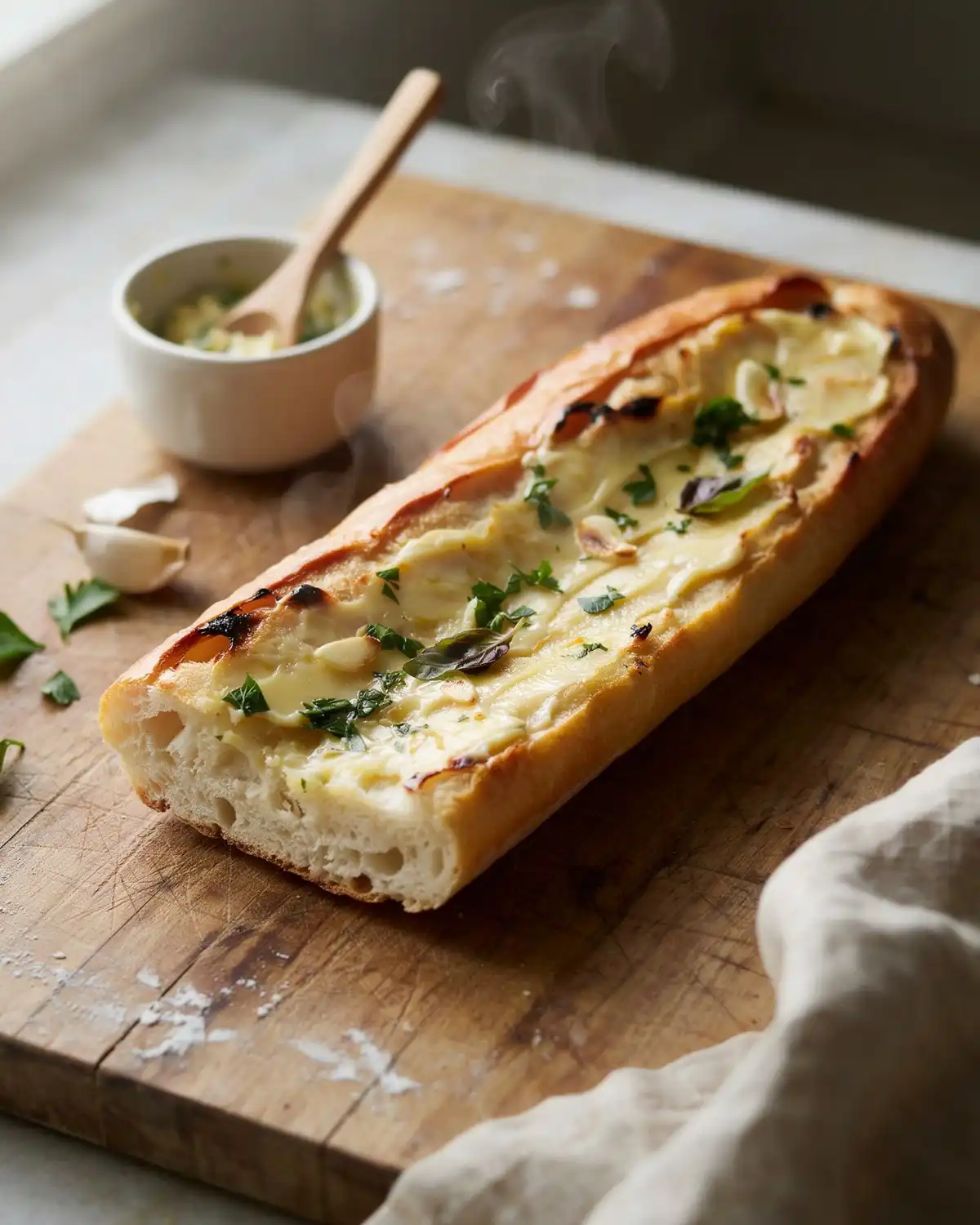
Great for spaghetti night, or honestly, just as a snack while you work through one of these easy 30-minute healthy dinner recipes.
- Special Tip: Use salted butter and skip the added salt, it saves a step and rounds out the garlic flavor nicely.
2. Rosemary Garlic Focaccia
Focaccia is basically a canvas for olive oil, and rosemary and garlic are its best collaborators. The dimpled top traps little pools of oil and rosemary needles so every bite gets a hit of both, unlike a regular loaf where the toppings mostly stay on the surface. I make this for potlucks because it slices into squares easily and doesn’t need butter or a knife at the table, just tear and go.
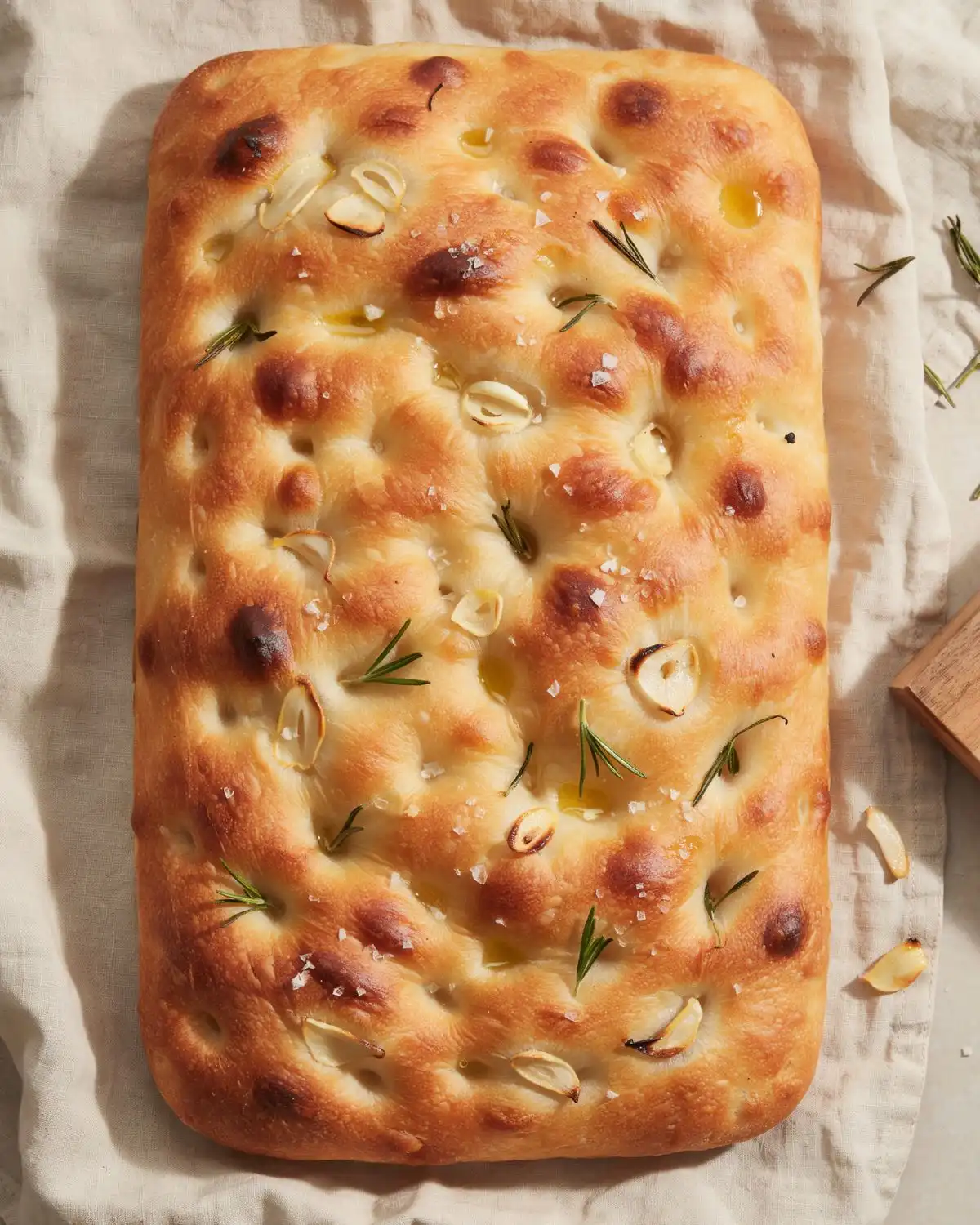
If you’ve got flaky sea salt, a light sprinkle right before baking makes the difference between good focaccia and the kind people ask you to make again.
- Combine warm water, yeast, flour, and olive oil into a wet, shaggy dough
- Let rise 1–2 hours until doubled, then dimple generously with oiled fingers
- Top with fresh rosemary sprigs and thin garlic slices before the final bake
3. Garlic Rosemary Sourdough
Sourdough takes more patience than any bread on this list, but the tangy, chewy payoff and the built-in health angle make it worth the wait for weekend bakers. Fermentation research from Colorado State University Extension notes that the organic acids produced during sourdough fermentation can slow starch digestion and may blunt post-meal blood sugar spikes compared to bread made with commercial yeast alone, though researchers say more human studies are still needed.
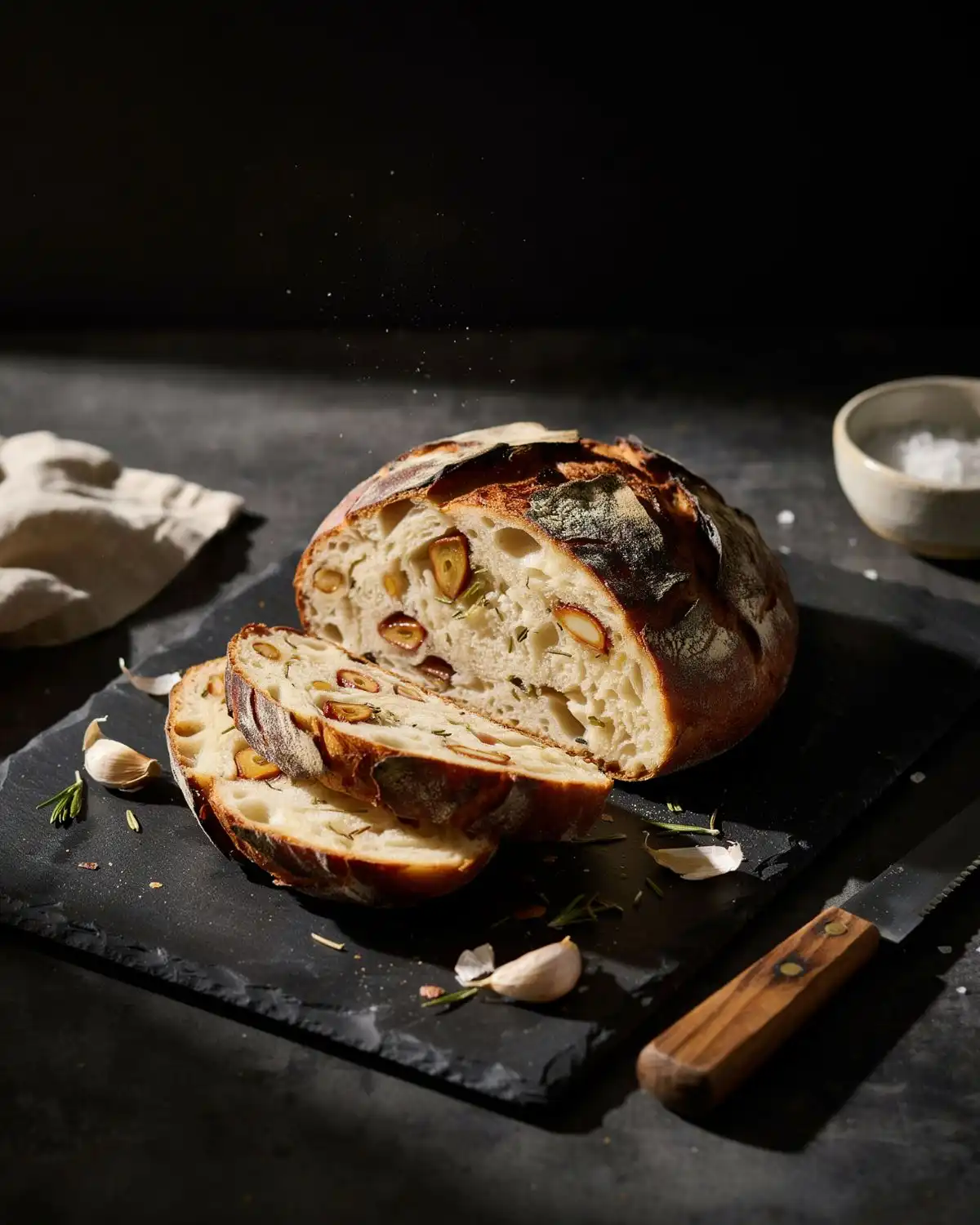
Fold minced roasted garlic and chopped fresh rosemary into the dough during the stretch-and-fold stage, not at mixing, so the garlic doesn’t blow out the gluten structure. This is the loaf to bake if you already keep a starter alive and want to put it to good use beyond a plain boule.
4. Roasted Garlic Bread
Roasting mellows garlic’s sharp bite into something sweet, nutty, and almost caramelized, which is a completely different experience than the raw minced version most people default to.
Squeeze a whole roasted head straight into softened butter and mash it in, no need to mince anything since roasted cloves practically dissolve.
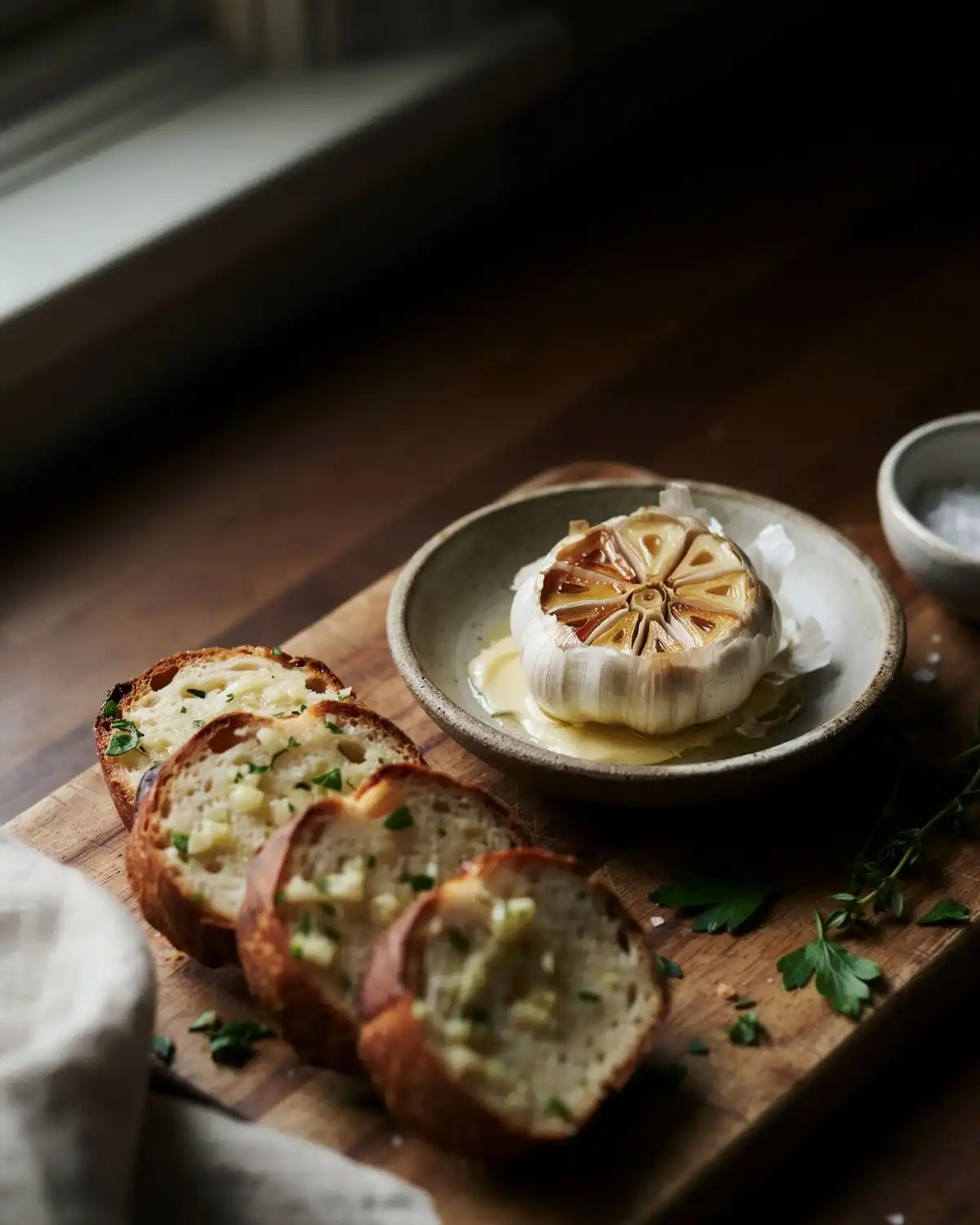
It’s the move for anyone who loves garlic flavor but finds raw garlic bread a little aggressive on the breath or the stomach. Best paired with one of these cucumber and feta salads so the roasted garlic stays the star of the plate.
5. Garlic Herb Pull-Apart Bread
Pull-apart bread turns garlic bread into a shareable centerpiece instead of individual slices, which makes it the one I reach for when people are actually gathered around the table.
Layers of dough get brushed with garlic herb butter, stacked, sliced into strips, and packed vertically into a loaf pan so every piece pulls away in a buttery, herb-flecked hunk.
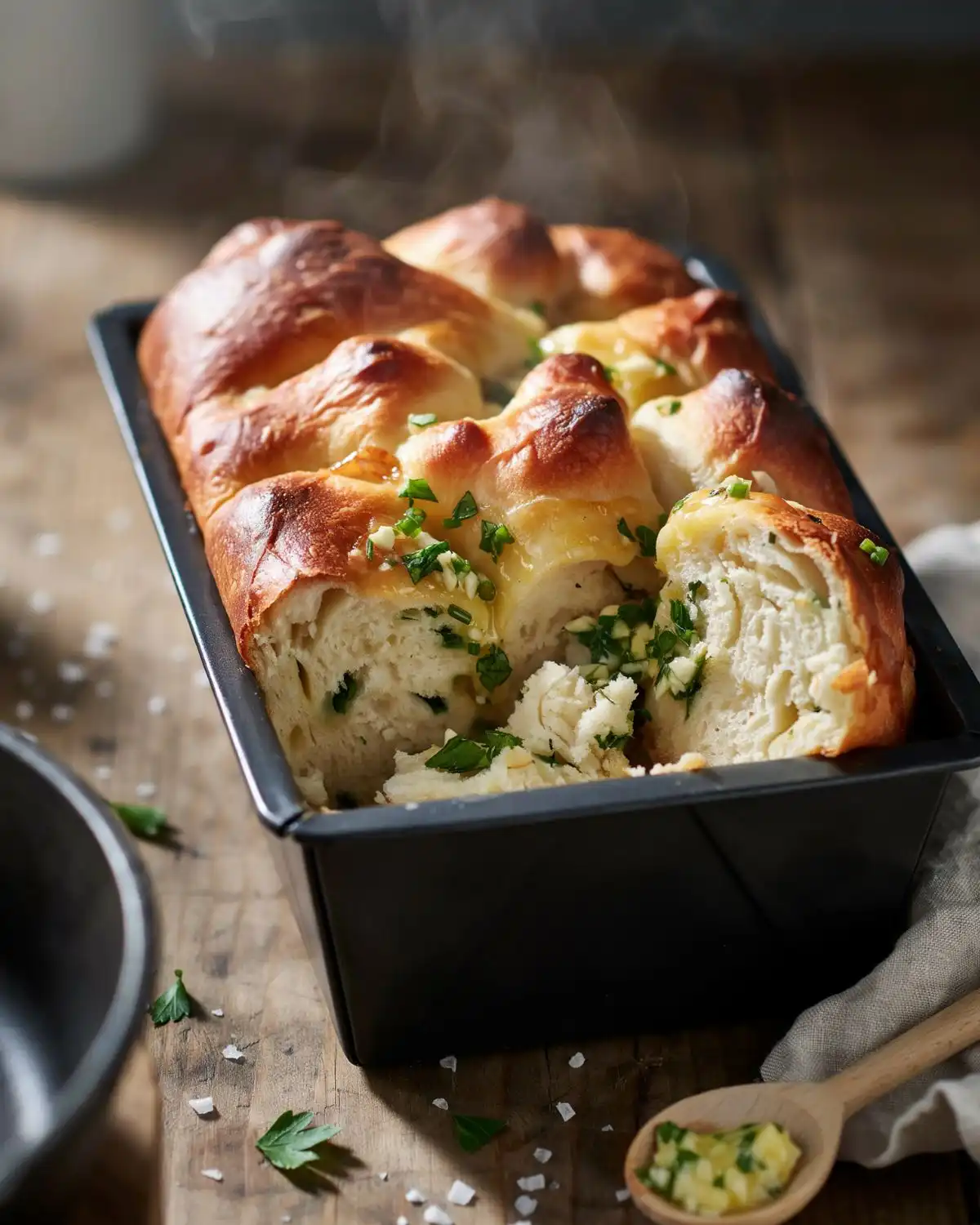
It’s more visually dramatic than a sliced baguette without requiring any extra skill, the drama is all in the assembly. Great for game day, since people can grab a piece without needing a knife or plate.
6. Rosemary Olive Oil Bread
This one leans into simplicity: good olive oil, fresh rosemary, and a basic yeasted dough, nothing else competing for attention. Unlike the buttery versions on this list, olive oil bread stays good at room temperature for dipping into soups or pasta sauce without turning greasy or heavy.
Rosemary is the natural partner here because its piney bitterness cuts
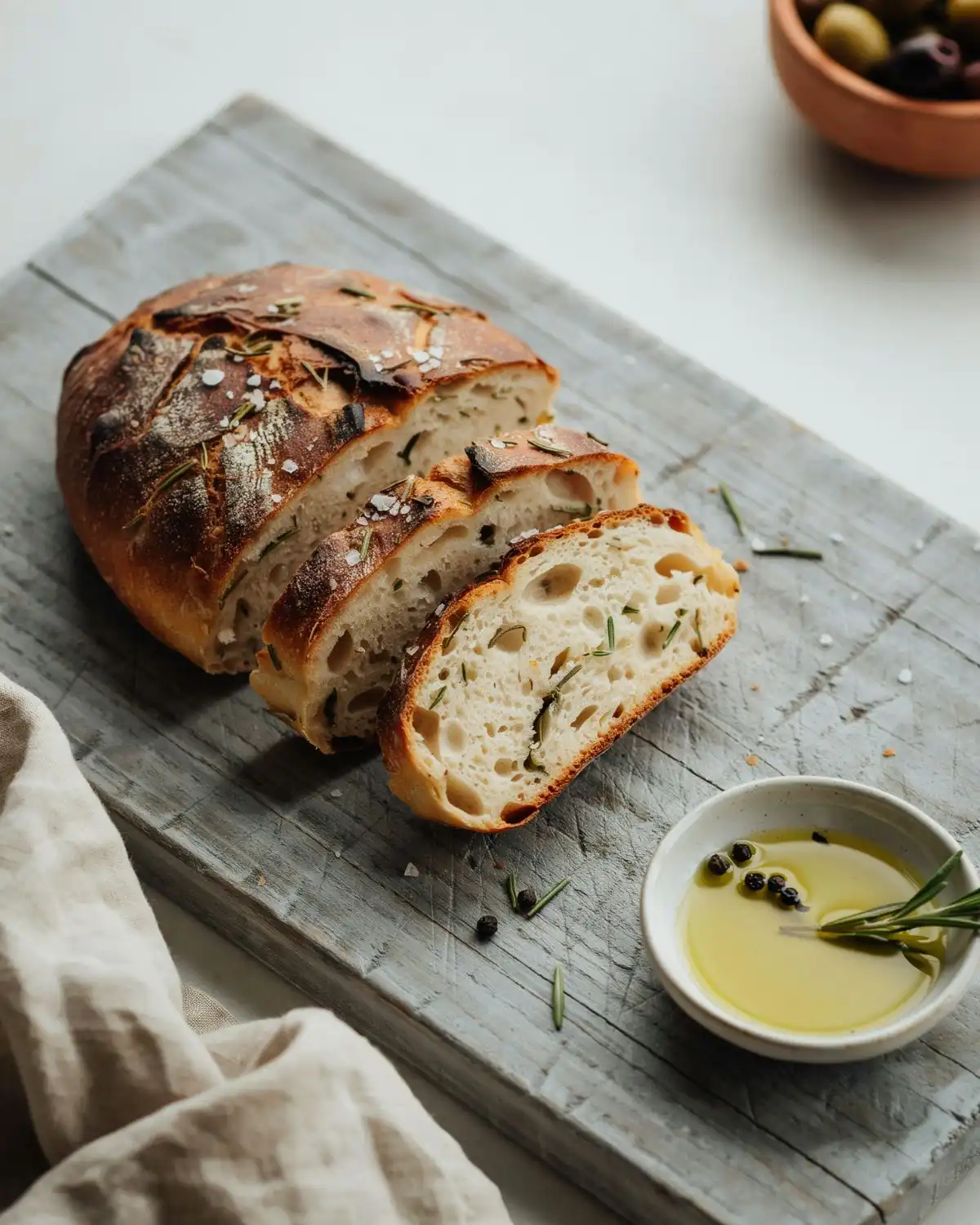
through the richness of the oil rather than getting lost in it, the way a milder herb might.
Serve it warm with a small dish of extra olive oil and cracked pepper for dipping, and it doesn’t need anything else.
7. Garlic Herb Naan
Naan skips the oven altogether, which makes it the fastest yeasted bread on this list if you own a hot skillet or grill pan. The dough only needs about an hour to rise, then each piece cooks in just a couple of minutes per side, bubbling and charring the way restaurant naan does. Butter it with garlic and cilantro or parsley the second it comes off the heat so the herbs melt right into the surface instead of sitting on top.
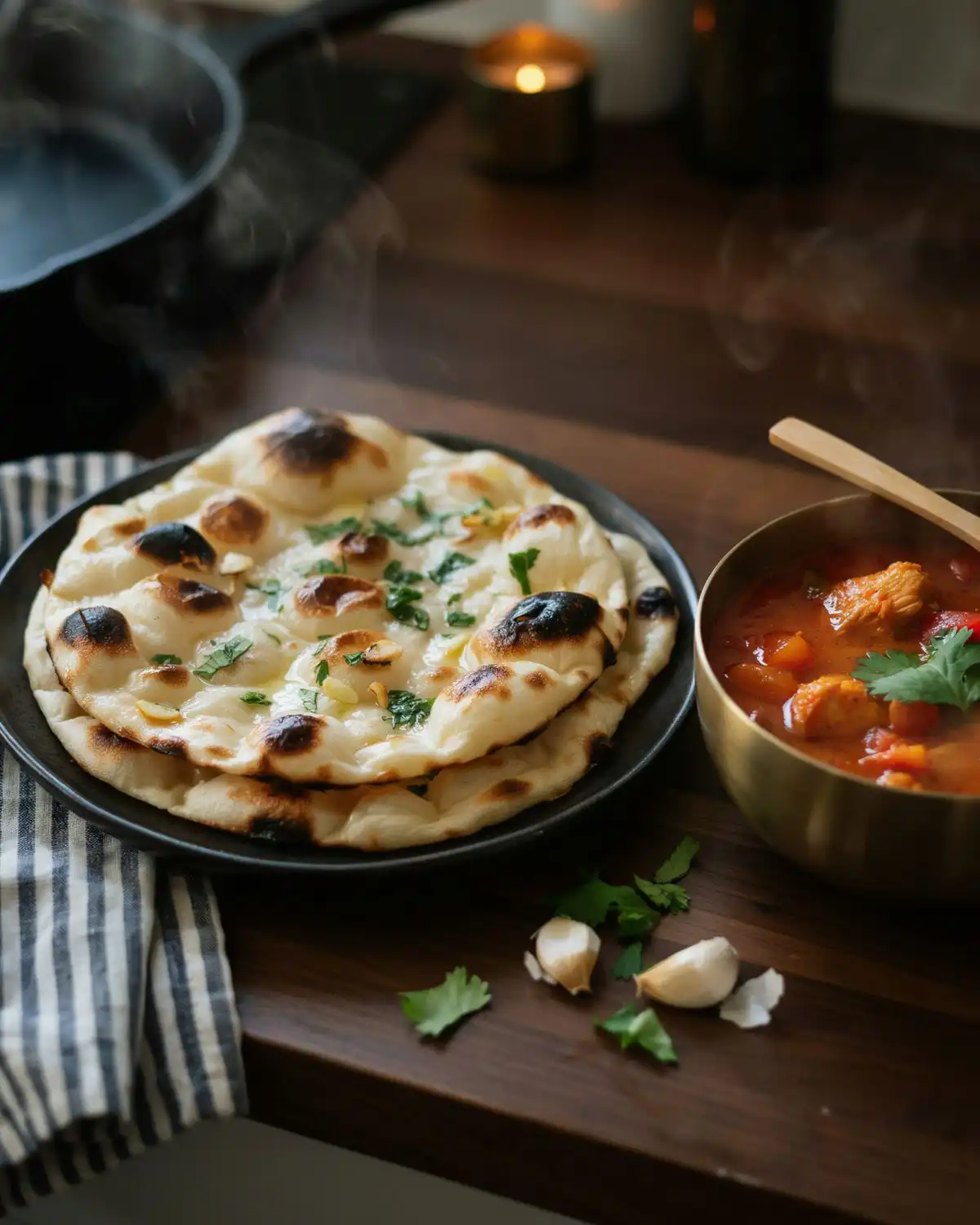
If you’re serving a curry or a grain bowl that needs something to scoop with, this is the bread that does double duty as both side and utensil.
| Detail | Naan Specs |
|---|---|
| Rise time | About 1 hour |
| Cook method | Skillet or grill pan, 2–3 min/side |
| Best paired with | Curries, dals, grain bowls |
8. Herb and Garlic Breadsticks
Breadsticks are forgiving, there’s no delicate crumb to protect, so they’re a good starter recipe if you’ve never worked with yeast dough before. Roll strips of dough in garlic butter and a mix of dried oregano and basil before baking so the coating bakes into a crisp, seasoned shell rather than sitting soggy on top.
Unlike a full loaf, breadsticks bake fast, usually 12–15 minutes,
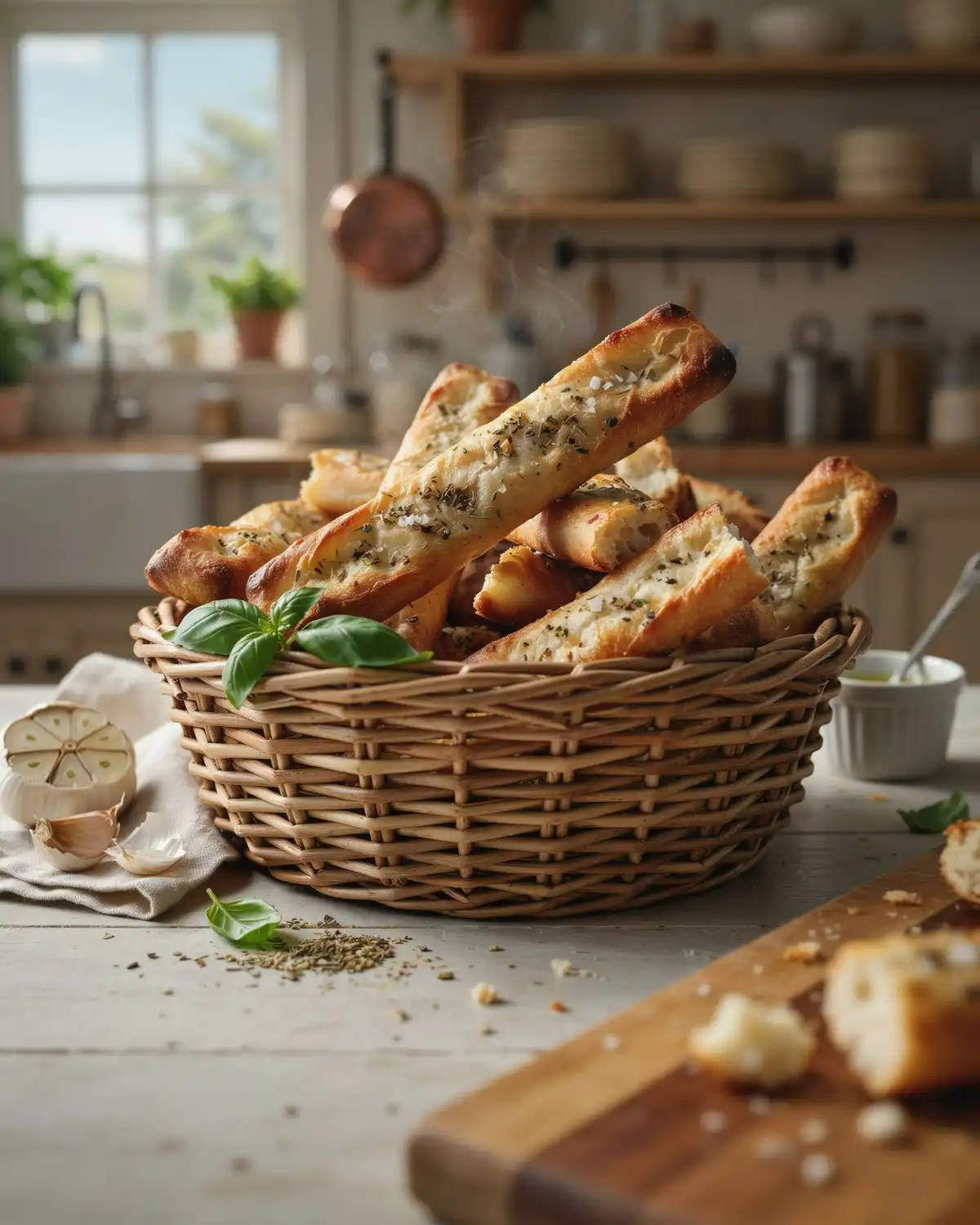
since there’s so much surface area exposed to the oven’s heat. They’re the bread I make for kids’ pasta nights because everyone gets their own without anyone fighting over the end piece.
9. Garlic Parmesan Knots
Knots take breadsticks one step further by twisting the dough, which creates more surface area for the garlic butter to cling to in every nook. Parmesan gets pressed into the butter coating right after baking, while the knots are still hot enough to melt the cheese into the crevices instead of just dusting the top.
These hold up better than flat breadsticks if you’re packing them with other must-have picnic food items, since the twisted shape keeps them from going stale as quickly.
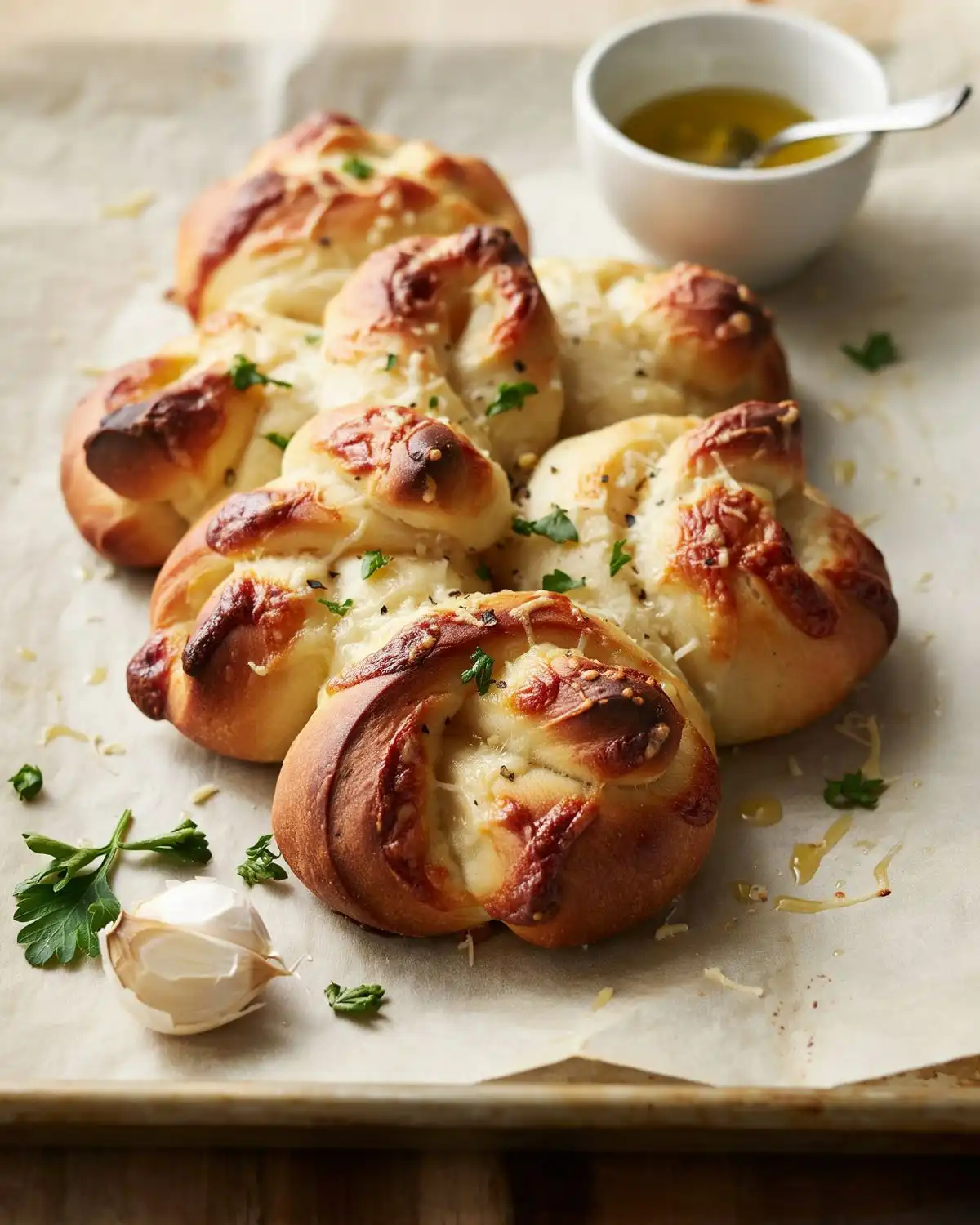
If you want a shortcut, canned pizza dough works fine here: nobody will know once the garlic butter and parmesan go on.
10. Rosemary Garlic Flatbread
Flatbread skips the rise entirely if you use a quick dough, which makes this the answer for “I want fresh bread and I want it now.” Press the dough thin, scatter it with chopped rosemary, garlic slivers, and coarse salt, then bake at high heat until the edges blister and char slightly.
Unlike a yeasted focaccia, this stays crisp rather than pillowy, closer to a cracker bread than a dinner roll.
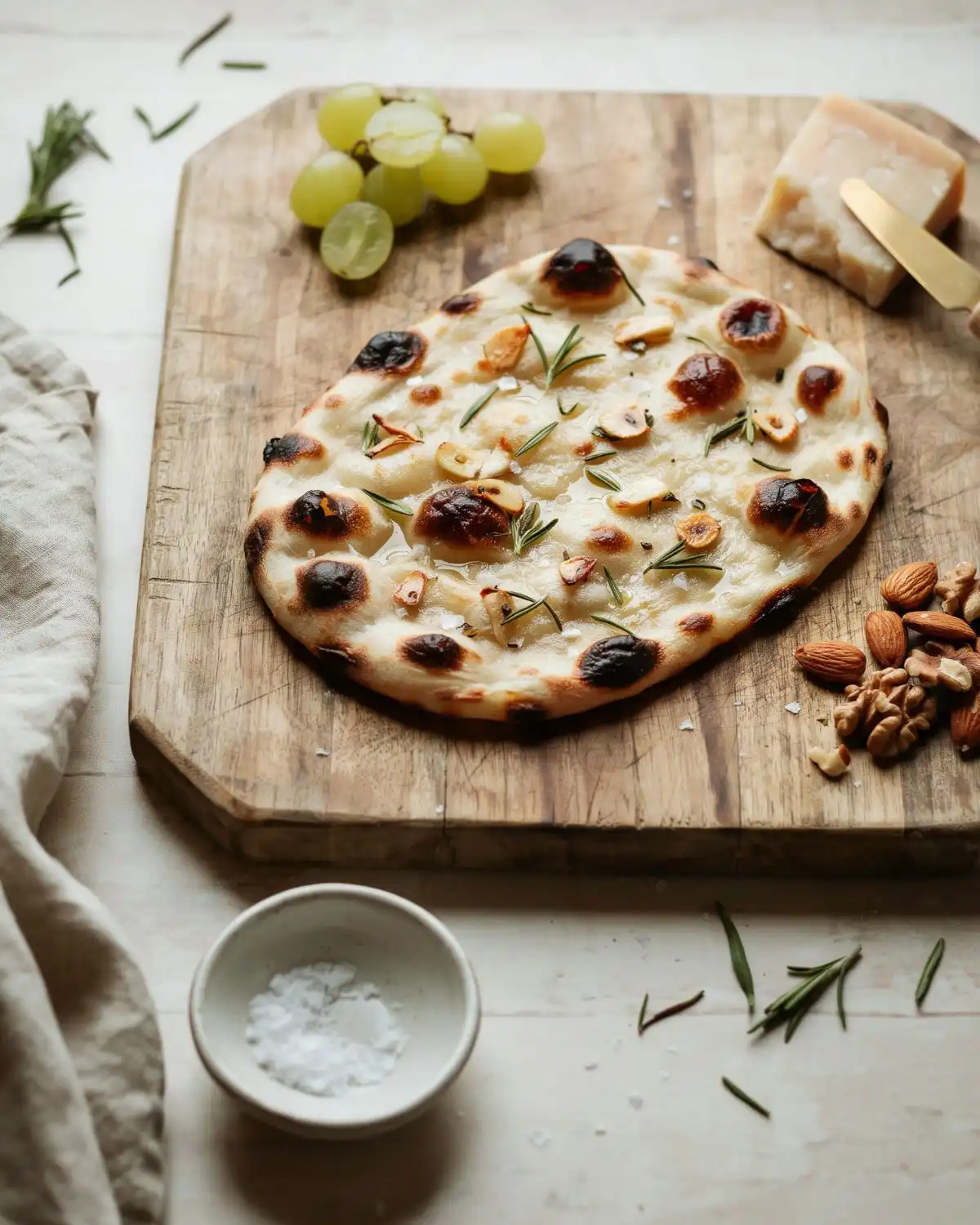
It’s the bread I put out with a cheese board because it holds up under toppings without going limp the way soft bread can.
11. Garlic Herb Ciabatta
Ciabatta’s whole appeal is its open, holey crumb, and that texture actually works in garlic bread’s favor since the big air pockets soak up garlic butter instead of letting it pool on top. The dough is wetter and stickier than most home bakers are used to, so this one takes a bit more confidence, resist the urge to add extra flour, which will tighten up that airy crumb you’re going for.
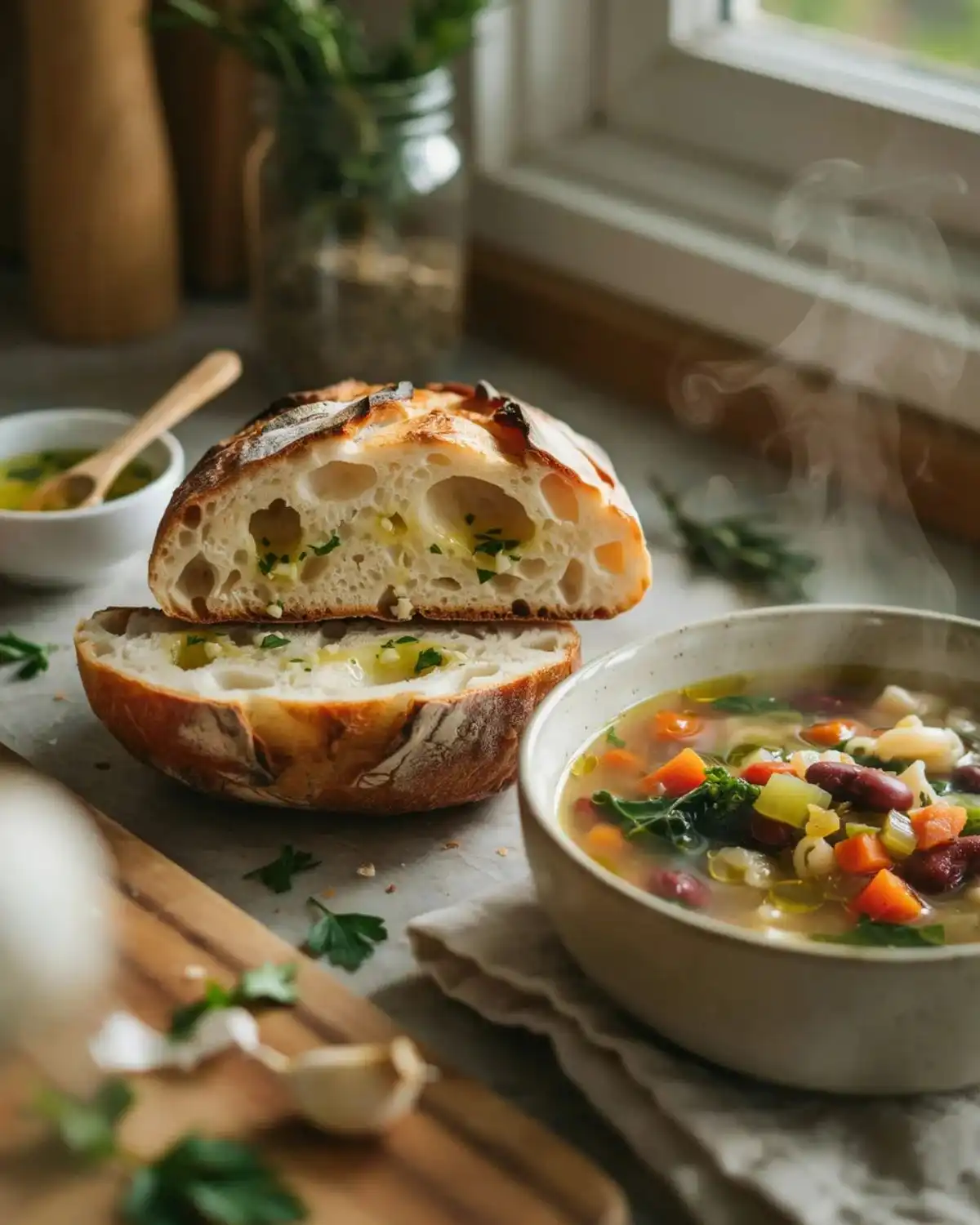
Slice it horizontally, load both cut sides with garlic herb butter, and broil for a couple of minutes until the crust crackles. This is the bread to serve alongside a big pot of minestrone or a braise that needs something sturdy for mopping up sauce.
12. Whole Wheat Garlic Herb Bread
Swapping in whole wheat flour gives this loaf a nuttier, denser bite than an all-purpose version, plus a fiber boost that plain white garlic bread doesn’t offer. Because whole wheat dough absorbs more liquid and rises a bit slower, plan for a slightly longer proof time than a white-flour recipe calls for.
Garlic and rosemary hold their own against the stronger wheat flavor better than a delicate herb like chervil would, so don’t be shy with either.
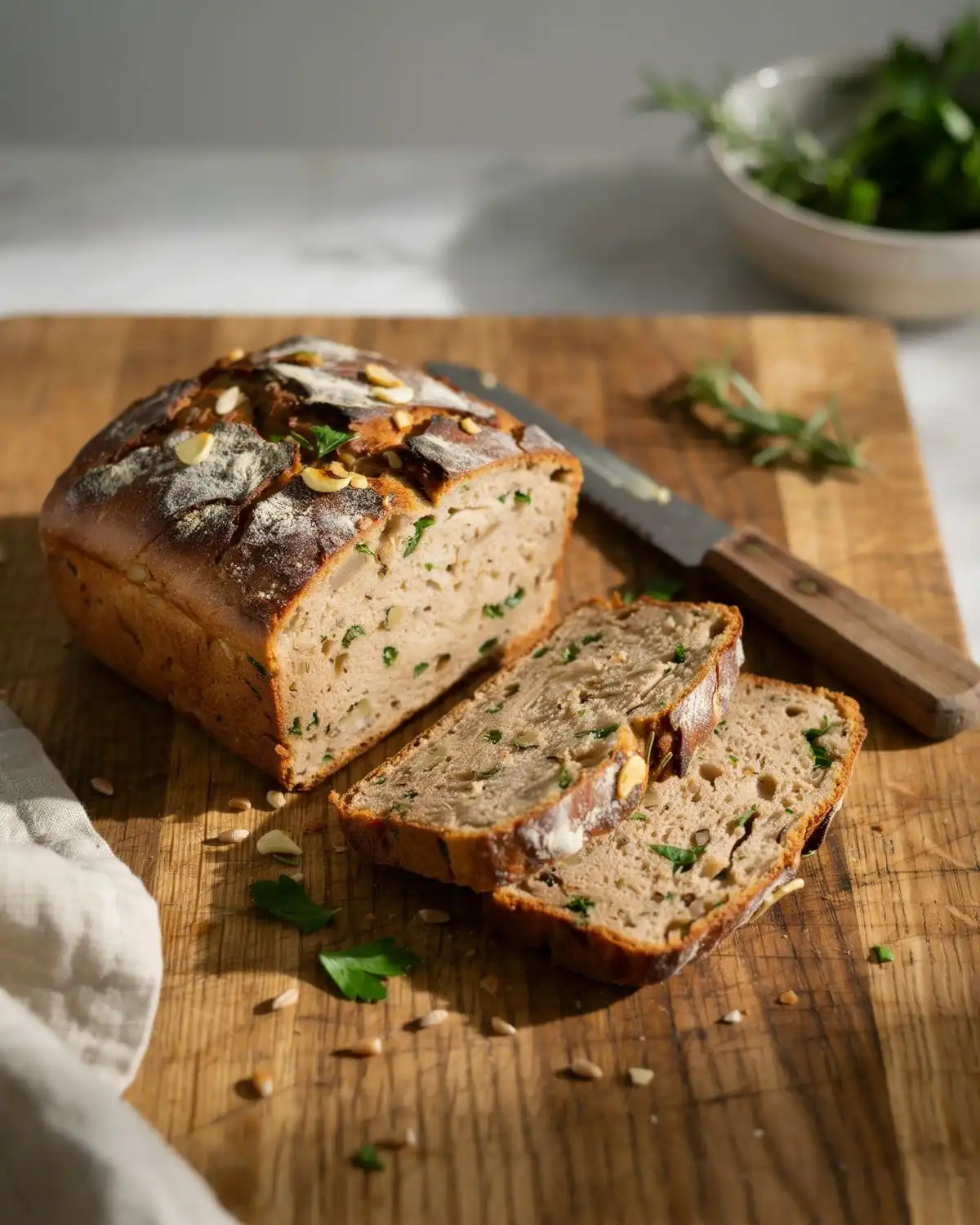
This is the version I make on weeks when I want something closer to an everyday sandwich bread that still tastes like an occasion.
- Special Tip: Start with a 50/50 blend of whole wheat and all-purpose flour if it’s your first time, a full whole wheat swap can turn dense fast without practice.
13. Garlic Herb Monkey Bread
Monkey bread trades savory for shareable chaos, little balls of dough get tossed in garlic herb butter, piled into a bundt pan, and baked until they fuse into one pull-apart mass. It’s messier than a pull-apart loaf but more fun for a crowd, since everyone just reaches in and tears off a piece rather than waiting for a slice.
Parmesan or mozzarella tucked between the dough balls melts into gooey pockets as it bakes, which a straight loaf can’t really replicate.
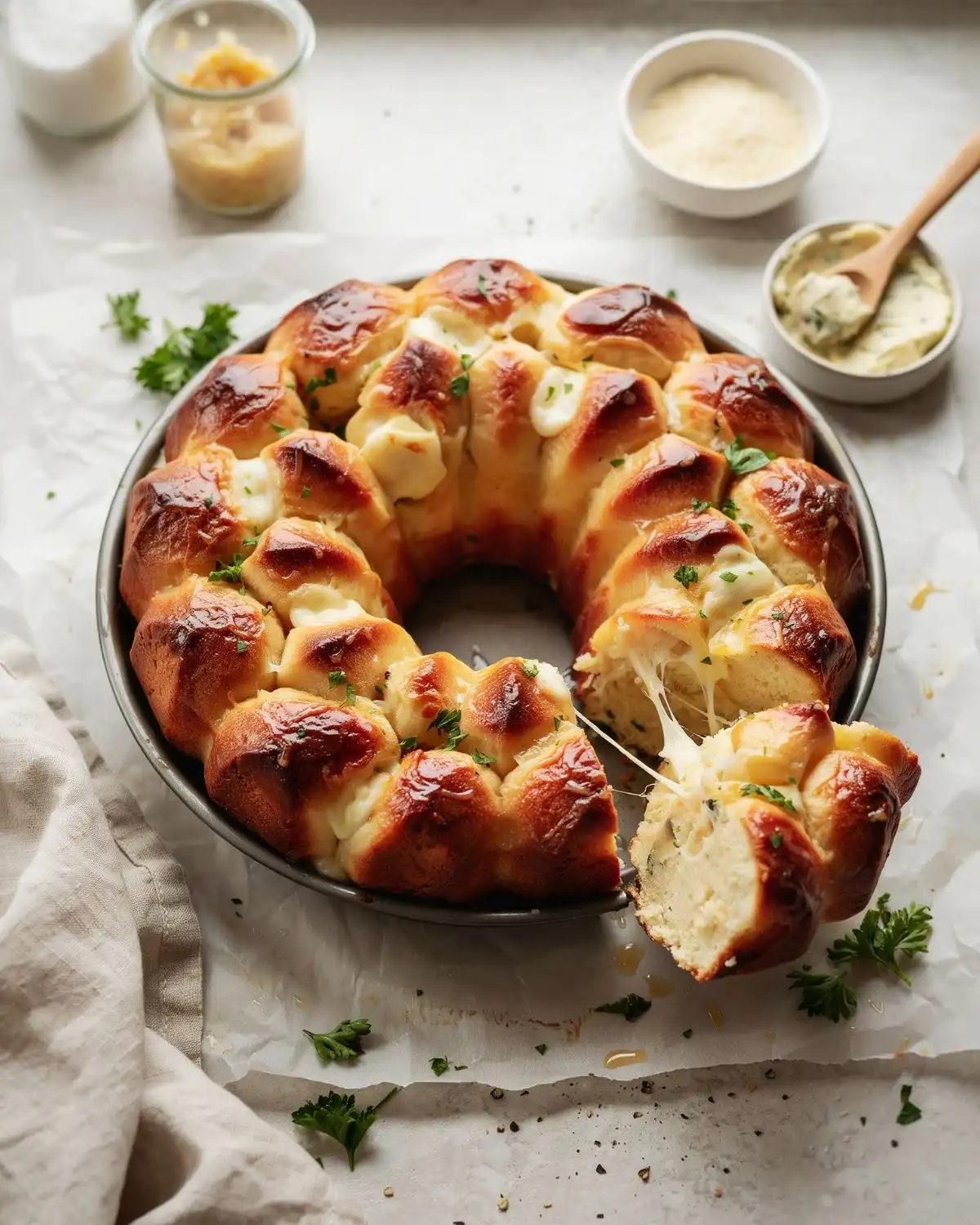
Serve it straight from the pan at the table; transferring it to a plate mostly just makes a mess.
14. Rosemary Garlic Crostini
Crostini isn’t really a bread recipe so much as a bread transformation, thin baguette slices brushed with olive oil, garlic, and rosemary, then baked until they crisp into little crackers. The advantage over a full garlic bread loaf is durability: crostini holds toppings like whipped ricotta or tomato bruschetta without going soggy, since it’s dried out rather than soft and buttery.
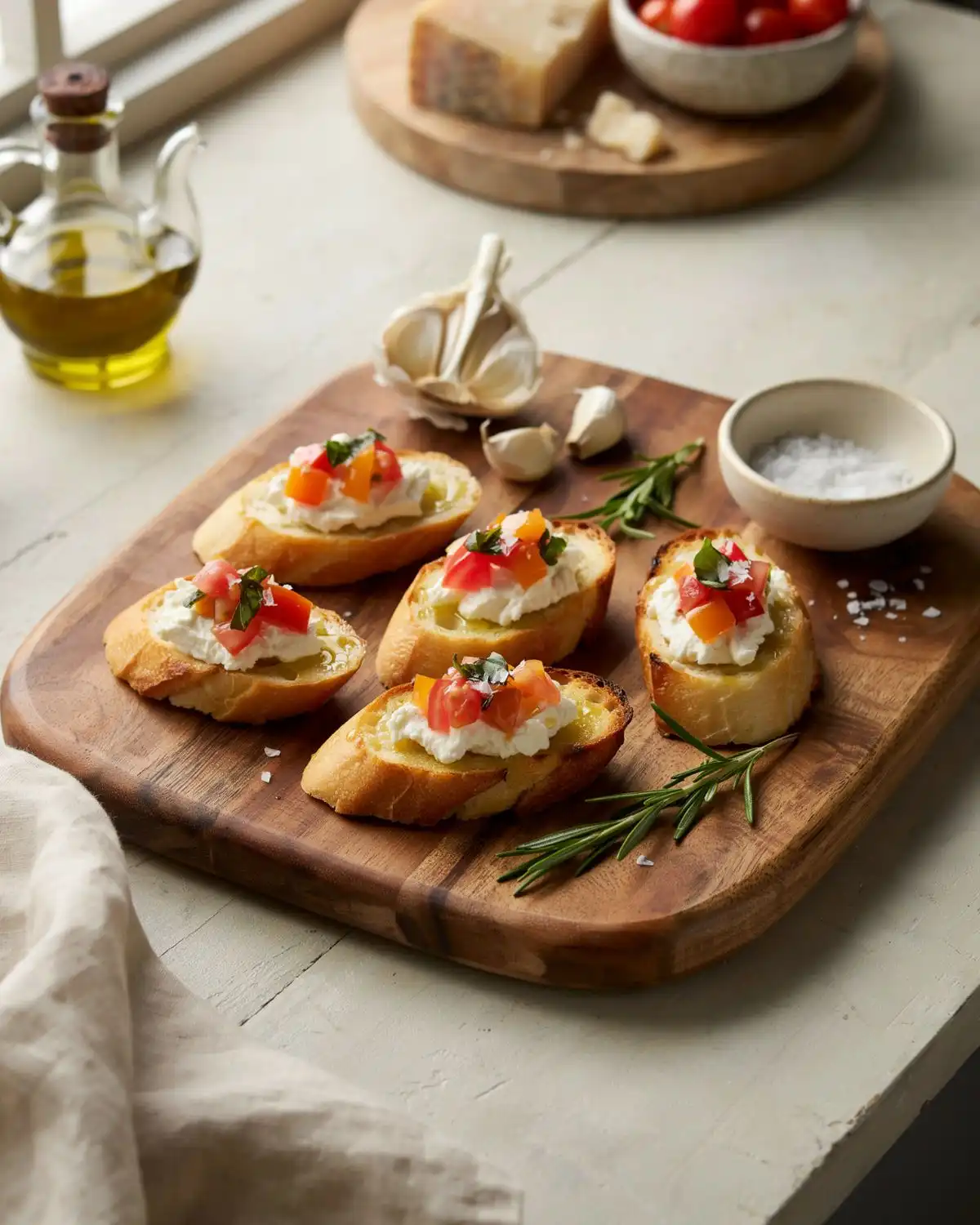
Because the slices are thin, they bake fast, 8 to 10 minutes is usually enough to get a solid crunch. This is the one to make when you’re setting out an appetizer spread rather than serving bread alongside dinner.
15. Garlic Herb Dinner Rolls
Dinner rolls solve the portion-control problem that a shared loaf doesn’t; everyone gets their own roll instead of fighting over the crusty end pieces.
Knead garlic and a pinch of dried thyme or parsley directly into the dough rather than just brushing butter on top, so the flavor runs all the way through instead of sitting only on the crust.
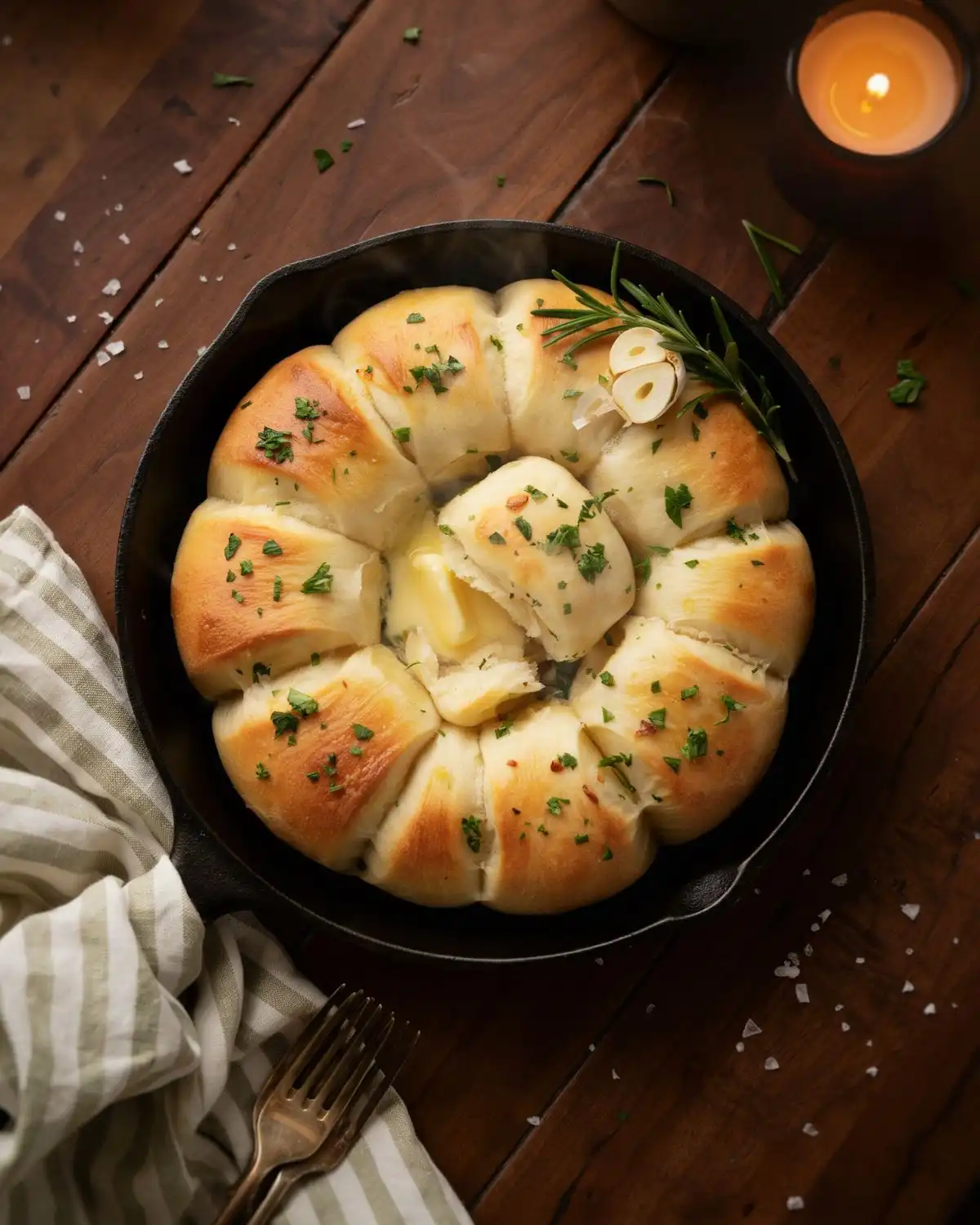
They’re softer and more tender than a rustic loaf, closer to a Parker House roll, which makes them the better choice for a holiday table where people want something easy to butter. Bake them close together in the pan so they rise up rather than out; that’s what gives you the soft, pull-apart sides.
16. Roasted Garlic and Herb Baguette
A baguette’s thin, crackly crust is unforgiving of mistakes but rewarding when it works, making this the bread to attempt once you’ve had a few easier loaves under your belt.
Roasted garlic gets worked into the dough itself here, rather than spread on after baking, so the sweetness is baked all the way through instead of concentrated on the surface.
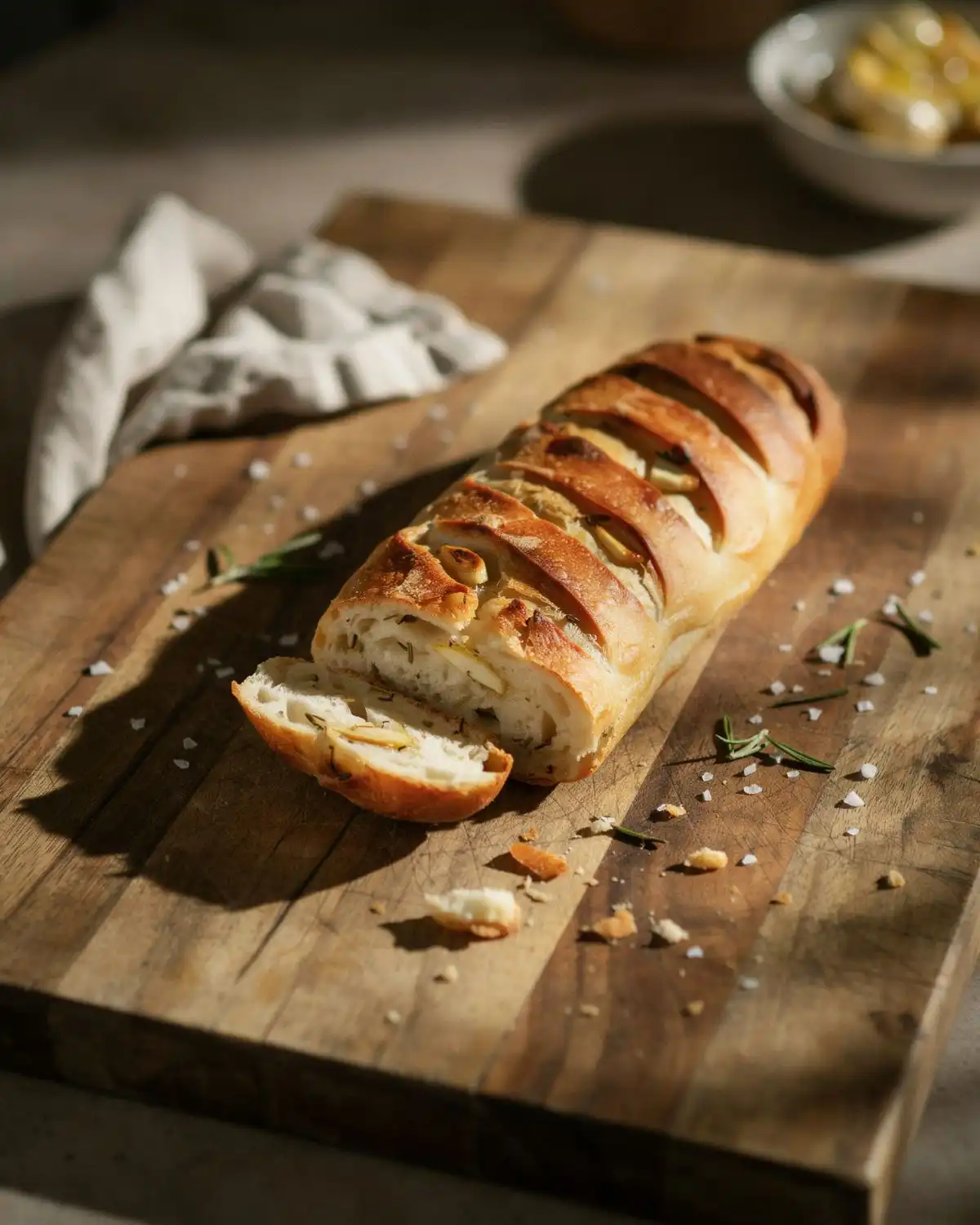
King Arthur Baking’s testing found that most yeasted loaves are fully baked once they hit about 190°F at the center, though lean, crusty breads like baguettes often need to go a bit higher to fully set. A kitchen thermometer takes the guesswork out of this one far better than tapping the bottom and hoping.
17. Garlic Herb Cornbread
Cornbread with garlic and herbs is a genuinely different animal, the sweetness of cornmeal plays against savory garlic in a way that regular wheat bread doesn’t quite manage. Skillet-baked in a hot cast iron pan, the bottom crisps into something almost fried while the inside stays tender and slightly crumbly.
Fresh chives or scallions work better here than dried Italian herbs, since their sharper, greener flavor cuts through the cornmeal’s sweetness more cleanly.
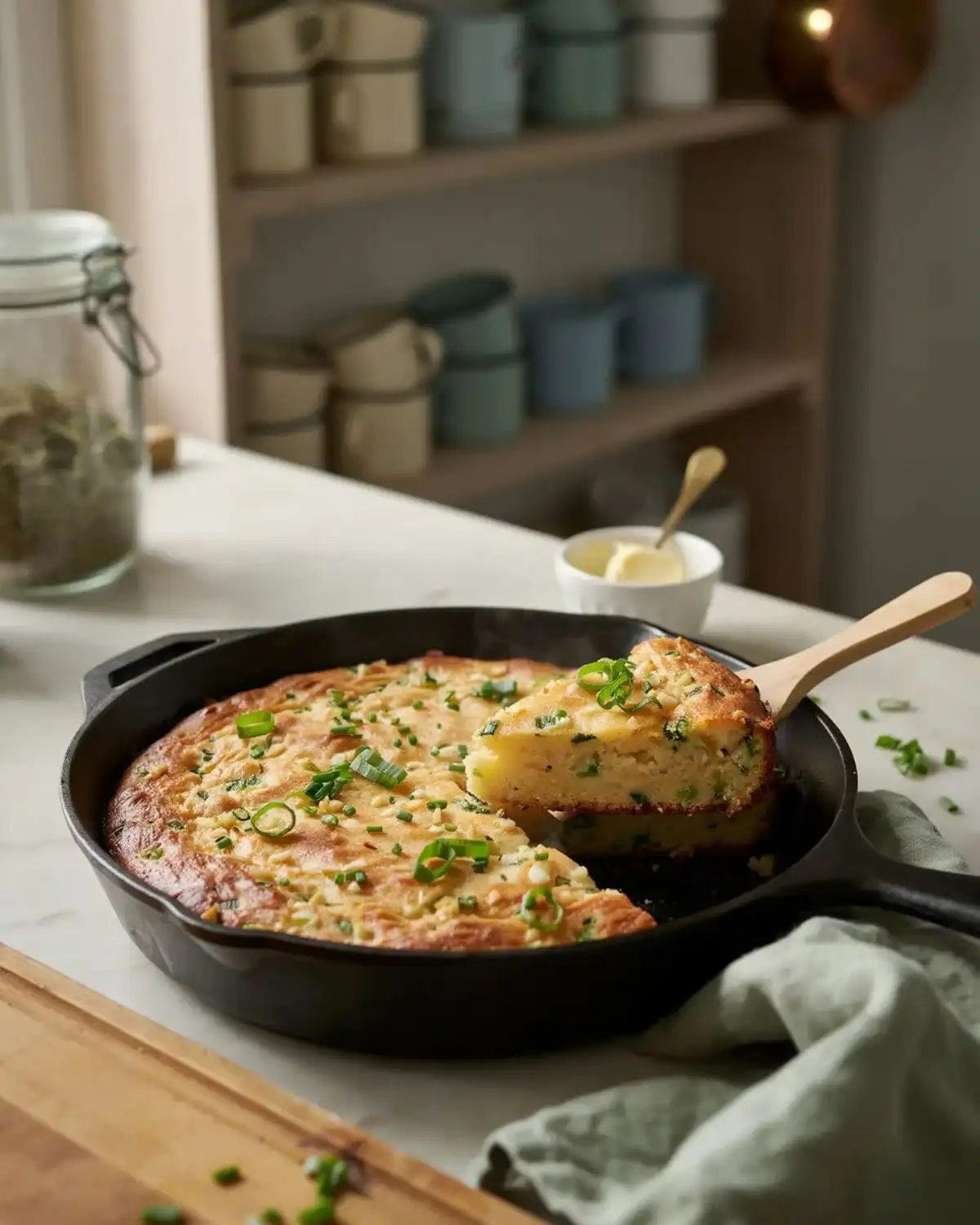
This is the bread that belongs next to chili or a pot of beans, not pasta, the flavor profile just makes more sense there.
18. Sourdough Garlic Herb Bagels
Bagels are the most technical bread on this list, boiling before baking is non-negotiable if you want that dense, chewy interior instead of something closer to a soft roll. Using sourdough discard instead of commercial yeast adds a subtle tang that plays surprisingly well against roasted garlic and everything-bagel-style herbs pressed into the crust.
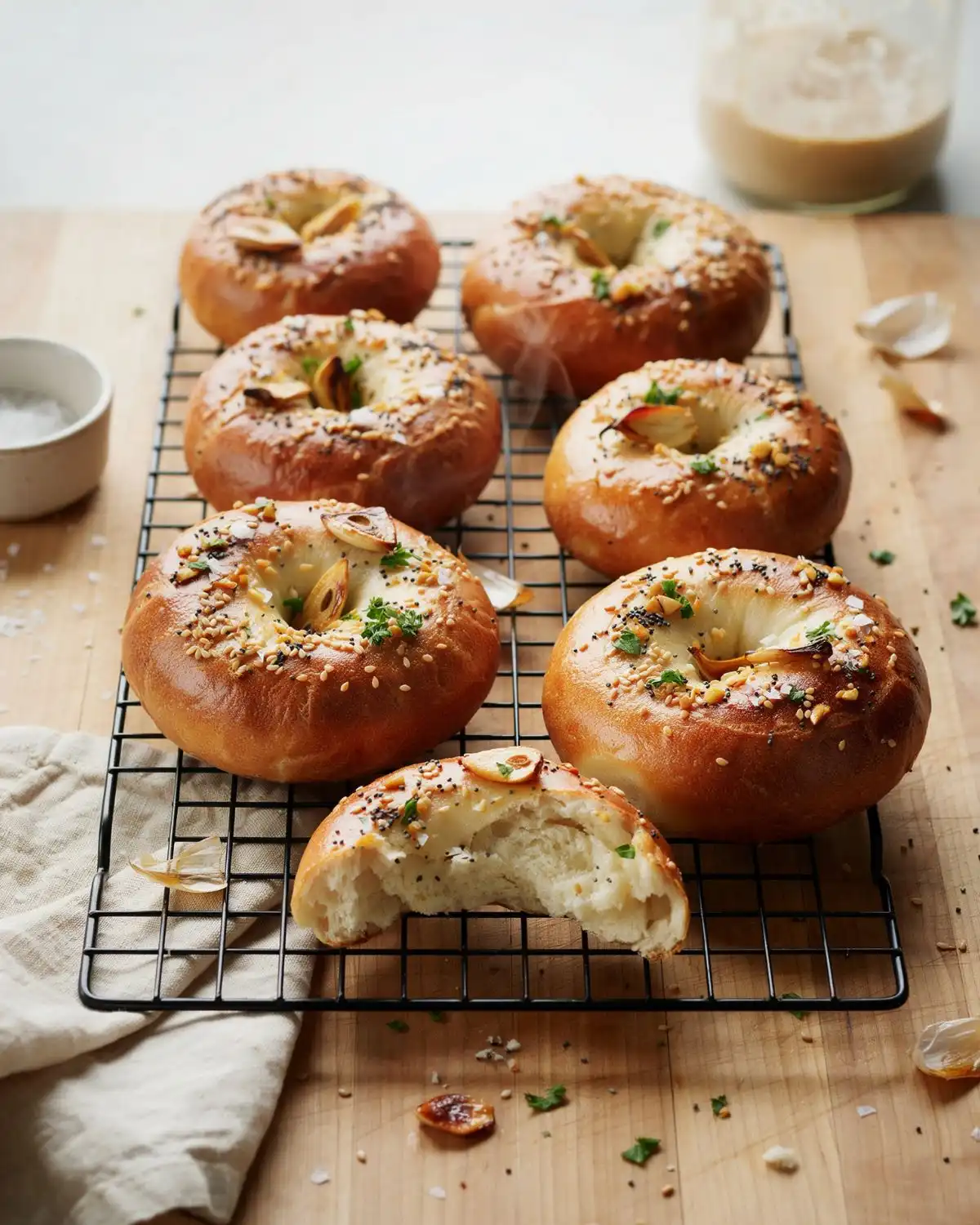
This is a genuine weekend project, not a weeknight one, between the fermentation, shaping, boiling, and baking. Worth it if you’ve got sourdough discard piling up in the fridge and want something more interesting to do with it than pancakes again.
19. Garlic Herb Biscuits
Biscuits skip yeast entirely, leaning on baking powder instead, which means you can go from mixing bowl to oven in about 10 minutes flat. Cold, cubed butter cut into the dry ingredients, including garlic powder and dried chives, is what gives these their flaky layers, so resist the urge to soften the butter first. They’re denser and more savory than a plain buttermilk biscuit, closer to a Southern-

style cheddar biscuit but without the cheese. If you enjoy this kind of bake, these scone varieties are worth exploring too.
These are the ones I make when I want fresh bread but don’t have the patience or time for anything involving yeast.
- Cut cold butter into flour until it resembles coarse crumbs
- Stir in buttermilk, garlic powder, and chopped chives just until combined
- Bake at high heat (425°F) for a golden, flaky top
20. Rosemary Sourdough Boule
A boule is sourdough in its most classic form, a round, crusty loaf with a deeply caramelized crust and an open, chewy crumb. Chopped fresh rosemary folded in during shaping gives you visible flecks throughout the loaf rather than just a top layer, so every slice gets some.
This is a slower bake than most on this list, often 12 to 24 hours between feeding the starter, bulk
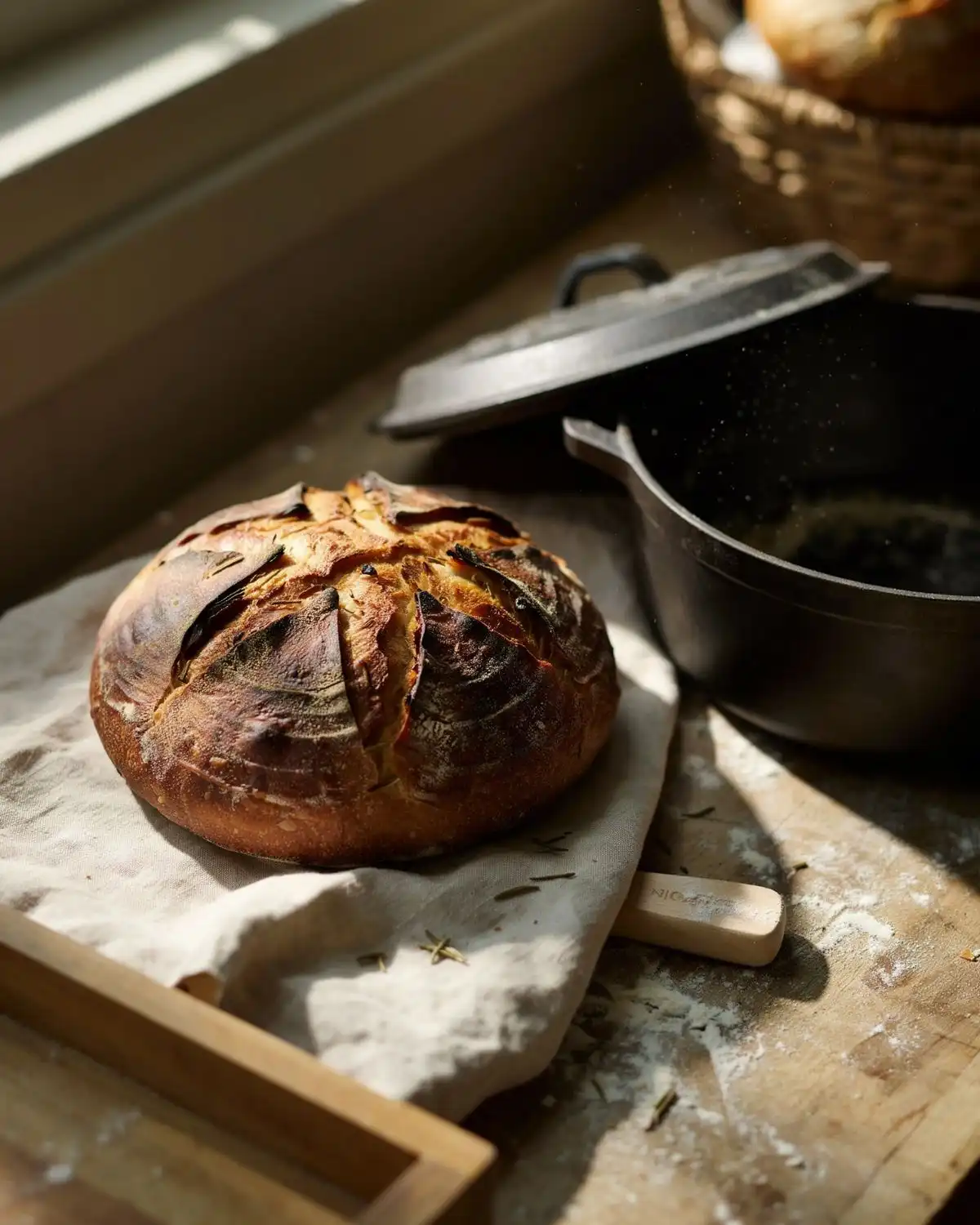
fermentation, and the final proof, but a Dutch oven does most of the heavy lifting for you by trapping steam.
If you already bake plain sourdough regularly, this is the easiest upgrade; just fold in rosemary and a few smashed garlic cloves at the same point you’d normally add mix-ins.
21. Garlic Herb Pretzel Bites
Pretzel bites get their signature deep-brown, chewy crust from a quick baking soda bath before baking, a step that’s easy to skip but changes the whole texture if you do. Garlic and dried herbs mixed into coarse salt for the topping give these more depth than a plain pretzel, especially with a cheese dip on the side.
They bake fast, usually under 15 minutes, which makes this the
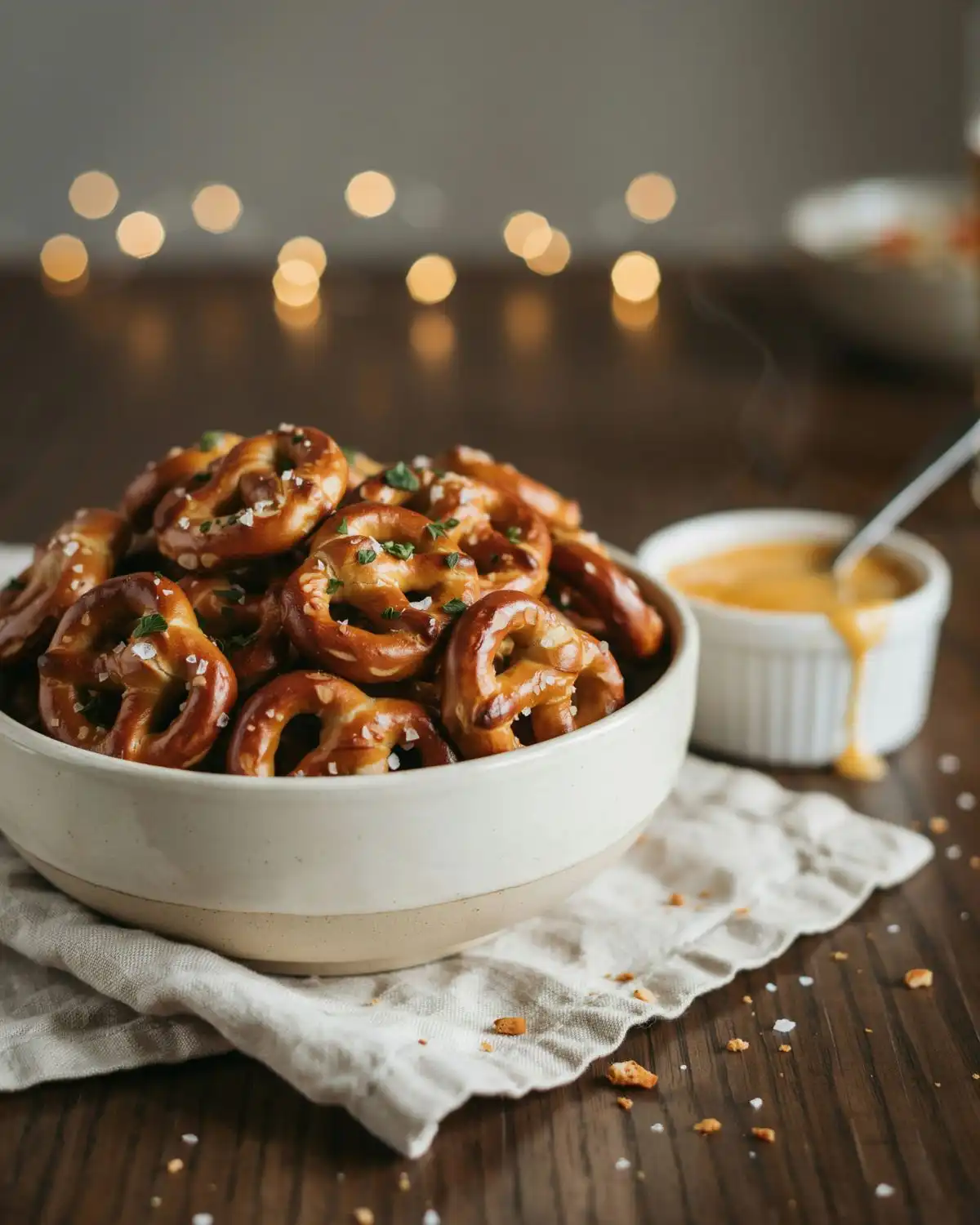
better choice over a full pretzel loaf when you want snacks ready quickly for a get-together, especially alongside other healthy snack recipes. Toss them in garlic butter right out of the oven, not before, so the coating stays glossy instead of soaking in and going soft.
22. Herb and Garlic No-Knead Bread
No-knead bread is the low-effort answer for anyone intimidated by working dough by hand; you mix it, let it sit for 12 to 18 hours, and the long fermentation does the kneading work for you.
Stir minced garlic and dried rosemary or thyme in right at the mixing stage since there’s no second chance to fold anything in later.
A hot Dutch oven mimics a professional steam-injected oven,
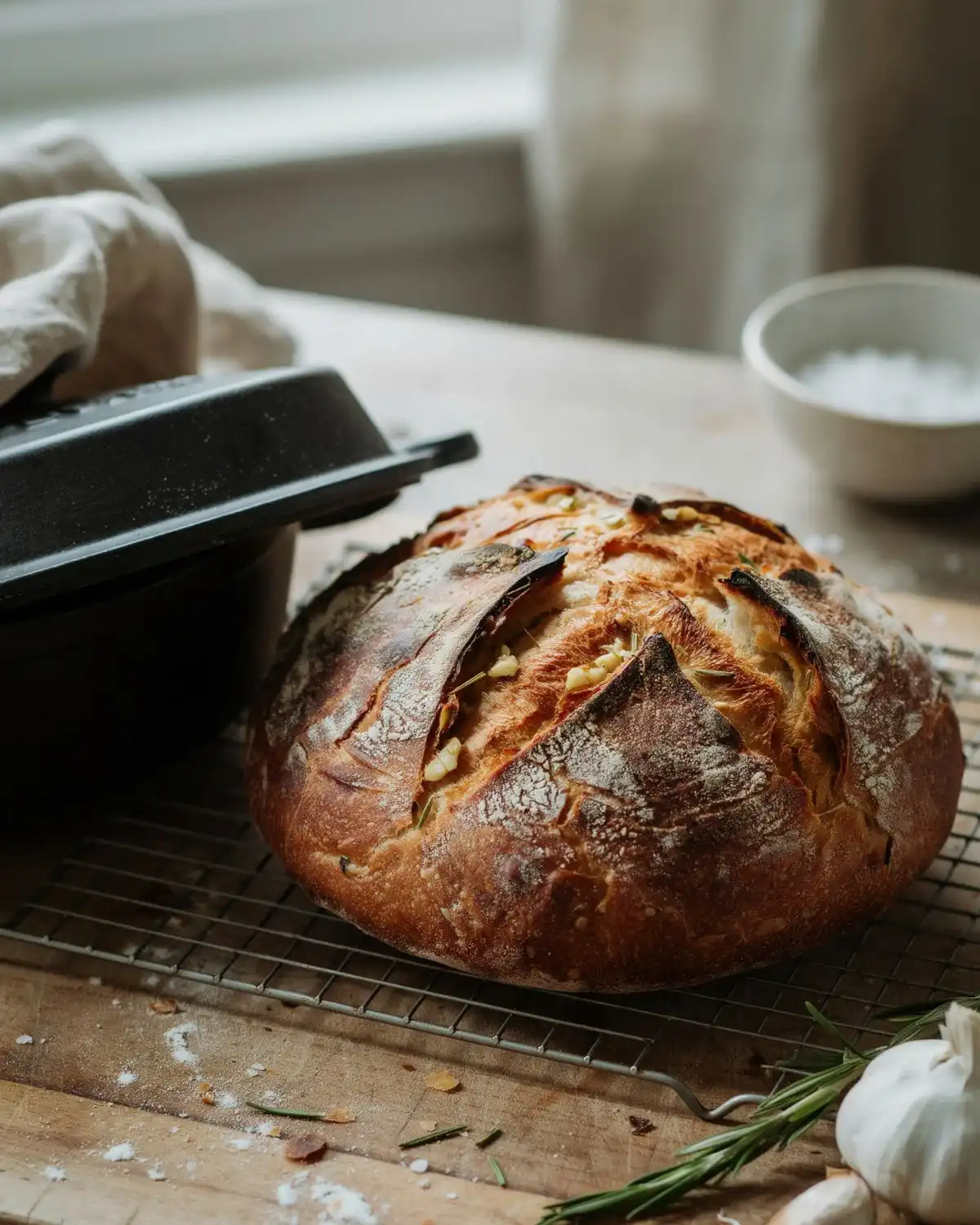
giving you a genuinely crackly crust without any special equipment. This is the one to start the night before if you want fresh bread with dinner tomorrow and almost zero hands-on effort.
23. Garlic Rosemary Skillet Bread
Baked in a cast iron skillet instead of a loaf pan, this bread gets a crisp, almost fried bottom crust that a standard pan can’t replicate. Garlic and rosemary get pressed into the dough right before it goes in the oven, so they roast directly against the hot iron rather than just sitting in the crumb. It’s a rustic, round loaf, more forgiving than a baguette or boule since minor shaping mistakes just disappear into the skillet’s edges.
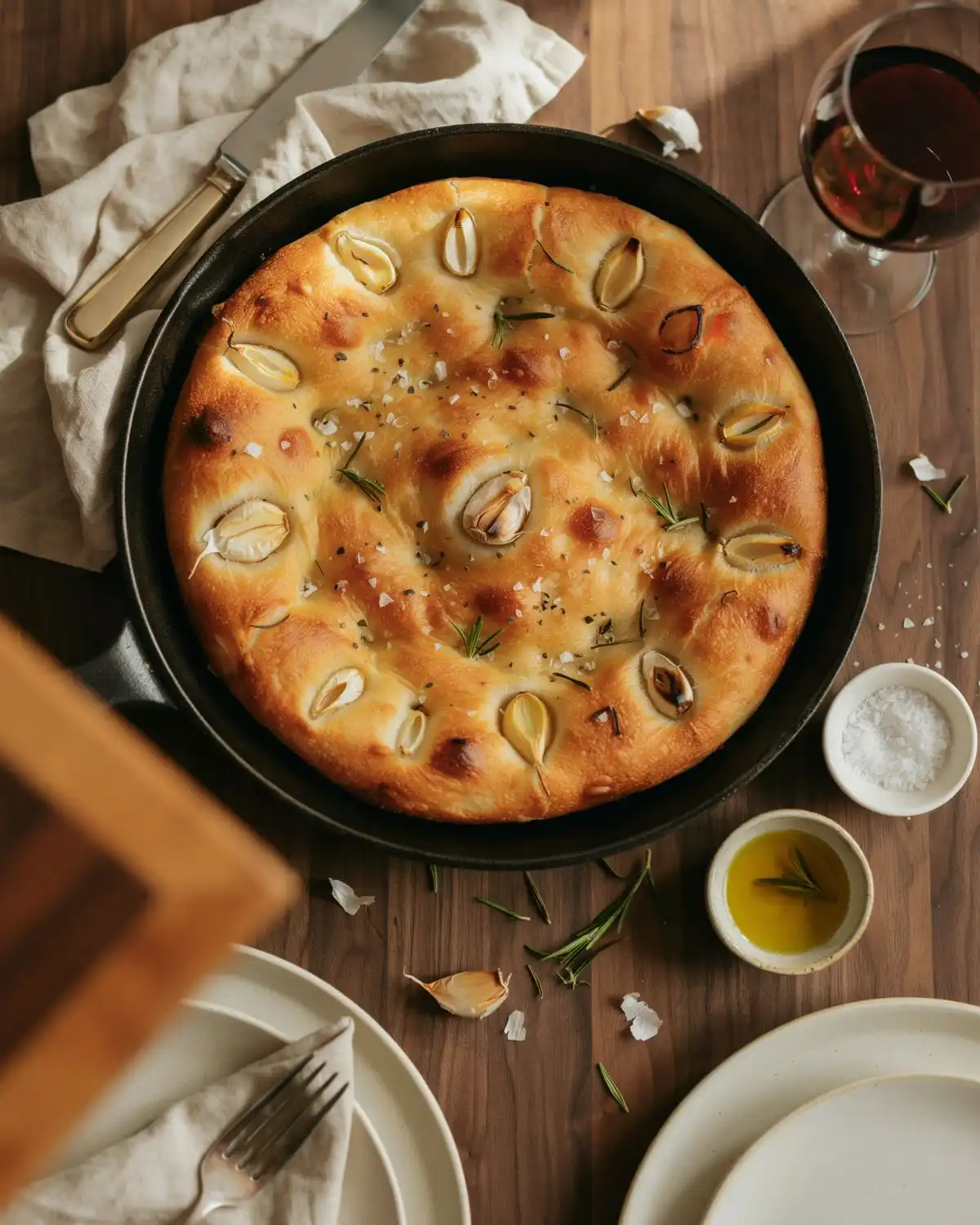
Bring the whole skillet to the table, it stays warm longer than a loaf on a cutting board and looks the part for a casual dinner party.
24. Herb Garlic Bread Bowl
A bread bowl turns the loaf itself into serveware, hollowed out and filled with soup, dip, or stew so the bread soaks up flavor as you eat your way down to it. Brush the inside with garlic herb butter before it’s filled, so the interior gets seasoned rather than staying plain while only the crust carries flavor.
Round, sturdy loaves like a boule or sourdough work far better here than a soft sandwich loaf, which will collapse under a heavy filling.
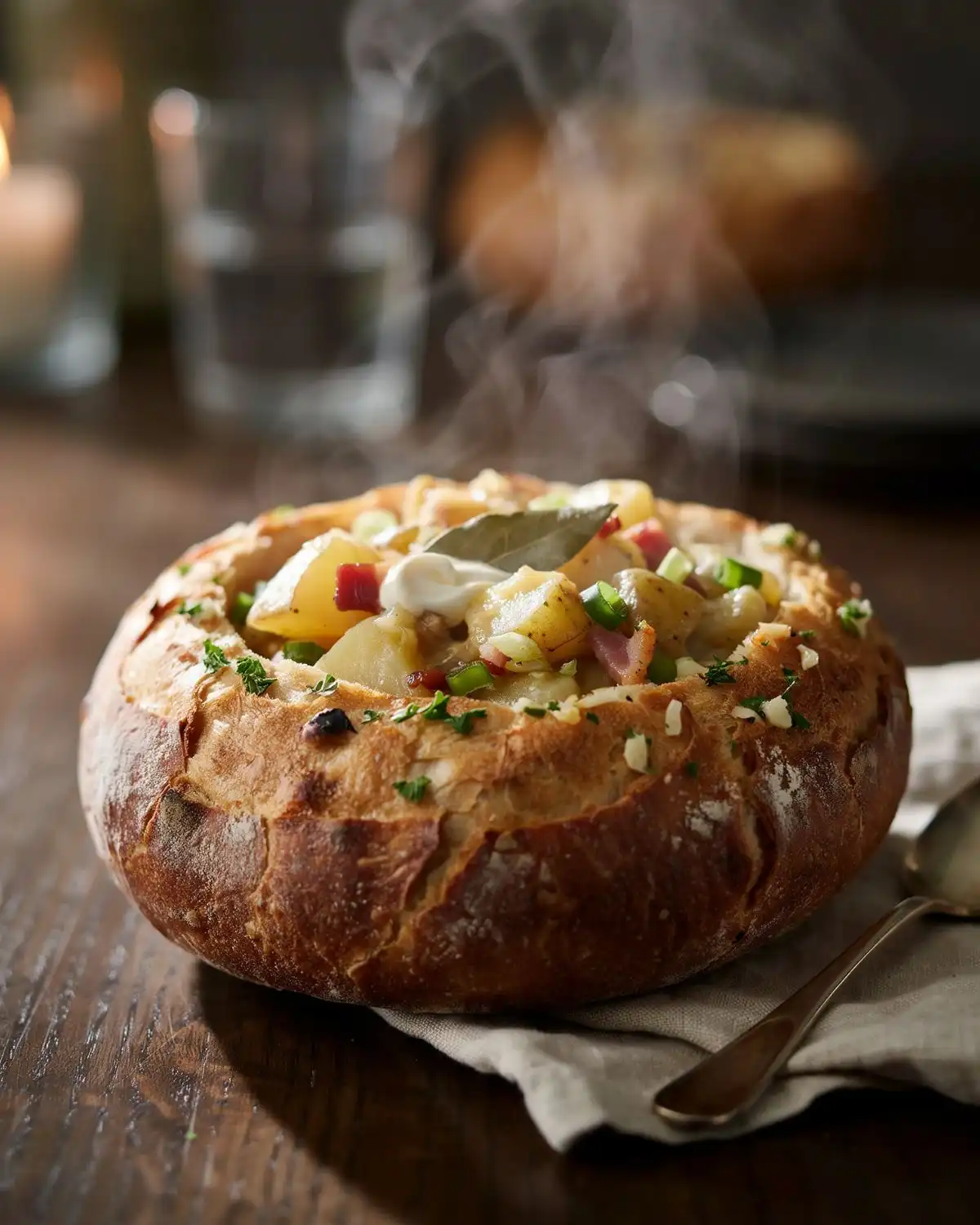
This is the move for chowder or French onion soup nights when you want dinner and the serving dish to be the same thing.
25. Garlic Herb Multigrain Loaf
Multigrain bread swaps in a mix of oats, flax, or seeds alongside the flour, giving this loaf more texture and nutritional heft than a straight white or wheat garlic bread. Because the seeds and grains add extra weight to the dough, expect a denser crumb and a slightly longer rise than a basic loaf needs. Garlic and dried herbs still come through clearly against the nuttier grain flavor, so don’t feel like you need to double up on either.
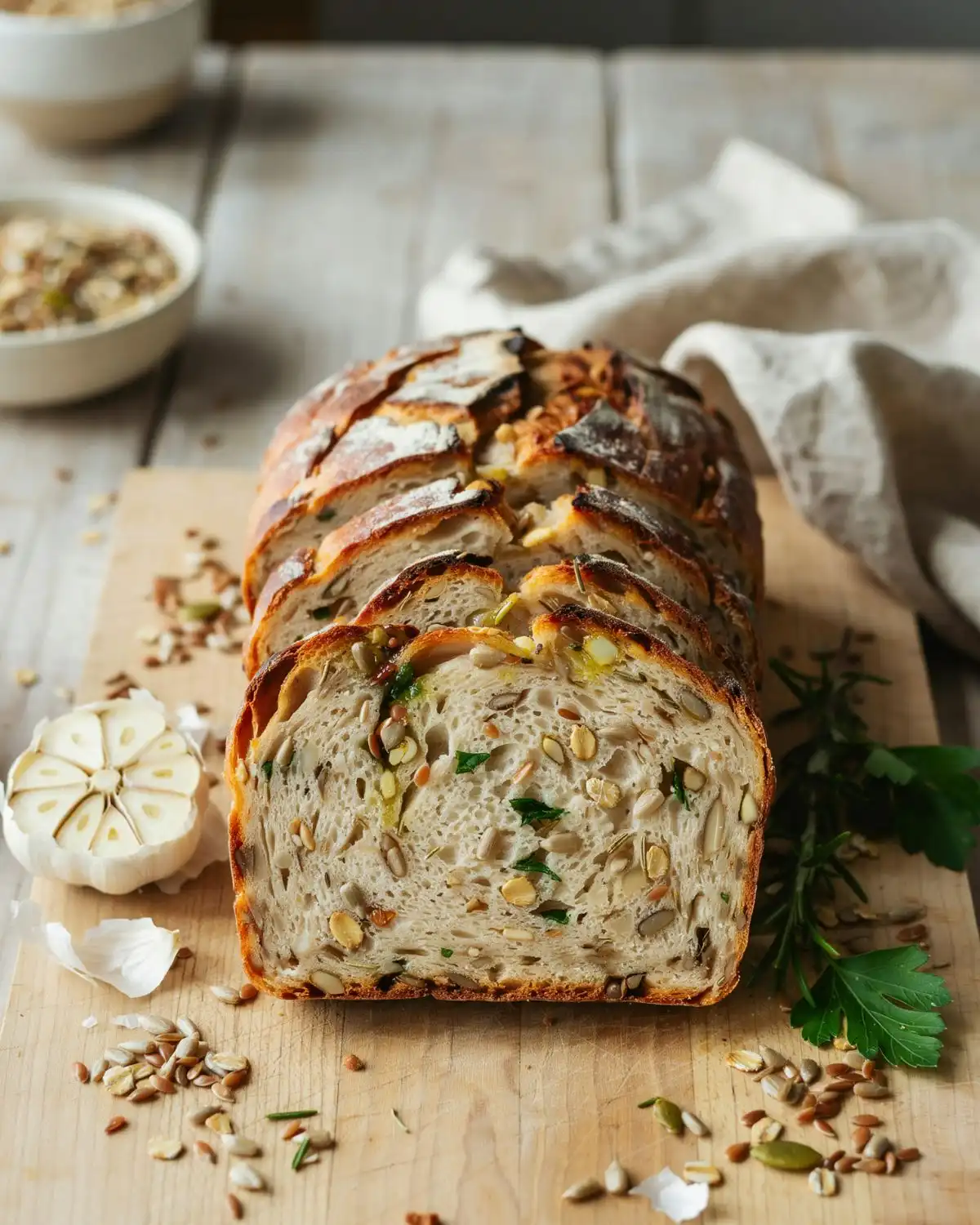
This is the everyday loaf on this list, less of an occasion bread and more of something you’d actually keep on the counter all week for sandwiches, toast, and easy bento box meals.
How Long Should You Bake Herb and Garlic Bread?
Quick garlic butter toast needs 12–15 minutes, while yeasted loaves like focaccia or a boule need 25–45 minutes of oven time on top of the rise.
At a Glance
- Garlic butter toast: 12–15 minutes
- Breadsticks and pretzel bites: under 15 minutes
- Yeasted loaves (focaccia, boule): 25–45 minutes plus rise
- Internal doneness benchmark: about 190°F for most loaves
- Lean, crusty breads (baguettes): often need a slightly higher internal temperature
It depends entirely on the bread. Quick garlic butter toast needs 12–15 minutes just to melt the butter and crisp the edges, while a full yeasted loaf like focaccia or a boule needs 25–45 minutes of oven time on top of the rise. For any yeasted loaf, King Arthur Baking’s testing points to about 190°F at the center as a reliable doneness benchmark for most sandwich loaves and rolls, while leaner, crustier breads like baguettes often need a slightly higher internal temperature to fully set. A cheap instant-read thermometer removes most of the guesswork here.
Frequently Asked Questions
Can I use garlic powder instead of fresh garlic in these recipes?
Yes, garlic powder distributes more evenly through dough and butter than minced cloves, though it’s milder, so start with about half the amount you’d use of fresh minced garlic.
Why did my garlic bread turn soggy instead of crisp?
Soggy garlic bread is almost always too much butter or oil soaking into the crumb before baking; spread it in a thinner layer and bake at a higher temperature for a shorter time to crisp the edges before the butter has time to fully absorb.
Can I freeze herb and garlic bread?
Most of these freeze well, especially yeasted loaves like focaccia, sourdough, or pull-apart bread, wrap tightly and freeze for up to three months, then reheat directly from frozen in a hot oven rather than thawing at room temperature first.
What’s the healthiest herb and garlic bread on this list?
The whole wheat, multigrain, and sourdough options offer the most fiber and, in sourdough’s case, a fermentation process that may ease digestion for some people, though all garlic breads still lean on butter or oil for flavor.
Do I need a stand mixer to make yeasted garlic herb bread?
No, every yeasted recipe here can be kneaded by hand; a stand mixer just saves time and arm effort, particularly for wetter doughs like ciabatta or focaccia.
Final Thoughts
Herb and garlic breads are easy to customize and perfect for any meal. Start with a quick garlic toast or try a homemade focaccia or sourdough loaf when you have more time. Whichever recipe you choose, fresh herbs and garlic will make your kitchen smell incredible.

Leave a Reply