
Rucking for women is a real simple workout that you can just walk and wear a weighted backpack at the same time, it does the whole strength building, endurance boosting, and overall fitness thing.
I’m a fan of rucking because it throws together cardio and resistance training , which sounds like it’d be tough on the joints but is actually pretty gentle on them. Plus it’s super easy to slip into your daily routine. If you’re wondering if rucking might be a good fit for you. Especially since it’s a joint-friendly exercise , you’re definitely not alone.
If you’ve ever struggled to stick with workouts or found some training programs are just too much , you’re not alone either.
From my own experience, rucking is a pretty flexible and realistic way to get fit that actually works with your lifestyle rather than against it.
So, is rucking actually a good workout for women?
Rucking is an excellent workout for women because it combines low-impact cardio and strength training, improves endurance, strengthens the core and back, and burns more calories than regular walking. It is also joint-friendly and easy to adapt for different fitness levels.
It does some great things for your heart, and even helps keep your bones healthy. If you can keep your posture good and the weight you’re using isn’t too much .You’ll end up burning more calories than you would with regular walking.
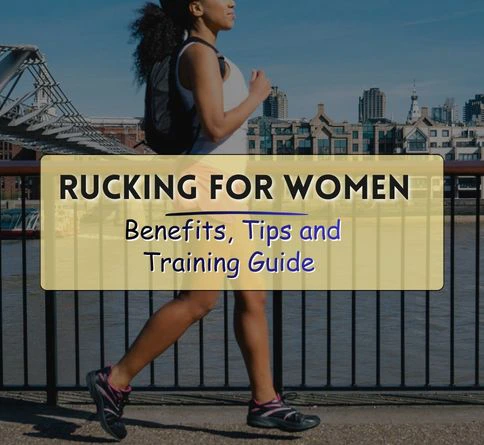
In this guide, I will share all you need to know about rucking for women. You can expect to find all the main benefits, some really helpful tips for beginners, advice on how to keep your posture and form just right, some ideas for workouts to try, and some super simple plans to help you get started and then just keep on going.
Key Takeaways
- Rucking for women combines walking and resistance training for full-body fitness.
- It is a low-impact workout that improves strength, endurance, and bone health.
- Rucking burns more calories than walking and supports weight loss goals.
- It is scalable, making it suitable for beginners and advanced fitness levels.
In This Post……
- 4 Key Rucking Benefits for Women
- A Real Experience about Rucking Benefits for Women: Before & After
- How to Start Rucking for Women (Beginner Guide)
- Proper Rucking Form for Women
- Rucking Tips for Women (Beginner → Advanced)
- Rucking Training Guide for Women
- How to Improve Rucking Performance
- Performance Tips
- Beginner Mistakes to Avoid for Women
- Sample Rucking Workout Plan for Women
- Final Thoughts
4 Key Rucking Benefits for Women
Rucking is incredibly beneficial for women to name a few main advantages. It helps boost bone density, torches a lot more calories than walking, builds up your muscles and even gives you better posture.
In my own experience I’ve found that rucking is a super easy way to mix in some strength training and cardio, all in one. You can burn up to 50% more calories than a regular walk, which is awesome all while building some serious strength in your legs, glutes & core.
A lot of fitness pros have also pointed out that rucking is great for your cardiovascular endurance without putting too much strain on your joints, which makes it perfect for long-term consistency.
I have experienced significant improvements in my posture and stamina and overall strength since I began rucking. Experts believe this training method provides women of all ages with practical and real-life movements because it simulates their actual body movements.
Rucking serves a purpose beyond aesthetic appeal because it enables women to develop the daily strength and resilience which they require for their everyday life.
The main benefits of rucking which I identified for women will be explained through a detailed examination of their specific benefits.
1. Physical Benefits
Rucking enables women to develop their complete body strength while achieving better endurance and building stronger bones and developing better body alignment.
The workout targets your leg muscles together with your glute muscles and core muscles while you develop consistent endurance. Rucking through daily life improved my movement abilities and brought me better balance and control of my body.

According to the Centers for Disease Control and Prevention, consistent physical activity helps improve heart health, strengthen muscles, and boost endurance, which aligns perfectly with the core benefits of rucking.
I have personally noticed stronger core stability and better posture with consistent practice. This clearly shows what rucking does to your body and highlights the most important rucking benefits for women.
2. Fat Loss & Metabolism
Rucking helps with fat loss and boosts your metabolism because you burn more calories than with regular walking. The method provides an easy weight loss solution which people can easily follow through their daily activities.
The mere act of walking amidst having the extra weight added which does not include any hard exercises is going to become extremely difficult and very demanding.

According to experts, rucking will definitely regulate blood sugar and help with hormonal stability, which are crucial for long-term fat loss.I have noticed better energy levels and consistency with this method. These benefits of rucking for women’s weight loss clearly show why rucking benefits go beyond basic cardio.
3. Mental & Lifestyle Benefits
Rucking is also great for your mental health.
The activity helps people decrease their stress levels while they experience outdoor movement and social interaction.
I find outdoor weight walking to provide me with both peacefulness and efficient use of my time. Rucking functions as a reset for me after stressful days because I need to clear my mind from recent events.

I have discovered that rucking allows me to maintain an active lifestyle because it becomes part of my everyday activities despite my hectic professional obligations. The advantages of rucking create an easy-to-follow and environmentally friendly practice that women can maintain as their daily routine.
4. Benefits for Women Over 50
Rucking is good for women over 50, and is the most beneficial exercise.
The exercise enables muscle preservation while providing advantages for bone health and maintaining joint protection.
The procedure enables you to preserve your lean muscle mass while developing stronger bones, which decreases your fall risk after menopause. Rucking offers me better security than high-impact workouts because it provides a more sustainable exercise option.

I have noticed it is easier to stay consistent because it does not strain the knees like running. These benefits of rucking for women over 50 clearly show why it is a smart long-term fitness choice.
Rucking becomes even more valuable as women age, especially for maintaining bone strength and mobility.
The National Institute on Aging says that regular weight-bearing exercises can help preserve bone density and reduce the risk of falls, making rucking a smart and sustainable choice.
A Real Experience about Rucking Benefits for Women: Before & After
I met Sarah a short time ago. Rucking became her chosen exercise method because she needed an effective way to maintain her fitness level.
She had difficulty maintaining her energy levels and completing her workout sessions before she discovered rucking.
She needed to develop her walking abilities because even walking made her exhausted. She required a simple habit which she could implement during her day because she needed a solution.

Sarah showed visible progress after she rucked for three weeks. She gained more strength through her improved posture which made her appear more self-assured.
I observed her stamina had improved yet her daily responsibilities became easier for her to complete. She developed a stronger mindset through physical transformation while developing a lasting discipline.
How to Start Rucking for Women (Beginner Guide)
To begin rucking, you only require a weighted backpack and basic walking skills. Begin with lightweight equipment to practice proper movement techniques while you progress at a gradual pace to prevent sustaining injuries. Based on my experience, beginning with slow movement makes rucking into an easy and enjoyable experience because it removes all difficult challenges. The experts recommend that athletes establish their training habit before they start to increase their training weight and training intensity. The following guide provides basic instructions for safe initial procedures.
Step-by-Step Starter Plan
Starting rucking is simple. Just keep working step by step improving your strength and stamina very safely, thus.
- Start your workout with 10 to 15 pounds because this weight will help your body adjust without experiencing any difficulties.
- You should walk for 15 to 30 minutes at your most comfortable speed which will help you develop a routine.
- You should practice rucking two to three times each week because this will help you recover and make consistent progress.
- You should increase your weight or time in training as your strength development reaches new milestones.
I found that starting with simple things leads to better results for rucking because people can keep doing it.
Experts say slow and steady progress helps you avoid injury and see better results over time. The beginner tips provide beginners with safe rucking starting procedures that they can easily follow.
Essential Gear
Rucking requires proper gear selection because it affects your comfort and your body alignment and your performance.
A rucking backpack or rucksack provides better long-distance comfort than a weighted vest, which functions as a compact solution for brief workout periods.
The ruck plate system creates balanced weight distribution, while beginners can use a weight backpack which contains books and household items.

Your feet experience less strain when you wear walking shoes, which provide comfort, and trail shoes, which offer support.
My experience shows that proper equipment selection makes rucking easier to perform and helps you maintain your practice routine.
Most fitness experts state that proper equipment enables better body control which decreases your chances of getting injured.
Proper Rucking Form for Women
Proper rucking technique requires correct body posture and correct weight distribution and efficient movement execution. In my experience, learning the basics early makes rucking feel easier and helps you stick with it.
To start rucking, the most important aspect of weight carrying according to experts is to maintain complete body control. There are 4 main form for rucking women–
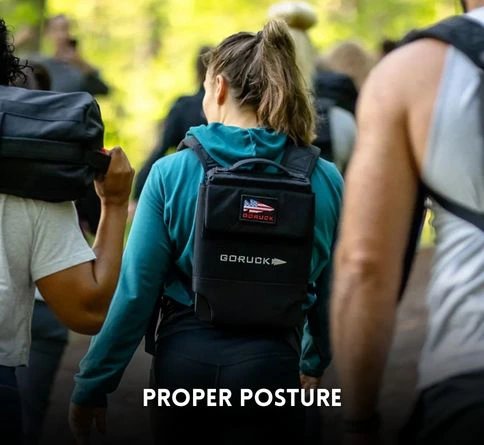
1. Proper Posture
Good posture means keeping your back straight, shoulders back, and core tight while you walk. The body distributes weight through this method which helps to safeguard the lower back.
I have discovered that my ability to maintain proper posture results in extended periods of energy without fatigue. Rucking experts state that proper posture serves as the main requirement for achieving both safety and effective results.
2. Load Placement
Load placement needs to be positioned on your back at a high point and to remain close to your body for maintaining your balance and stability. The weight distribution needs to stay above your waist because lower weight positions will create discomfort and cause your body to lose proper alignment.
My personal experience shows that load adjustments should occur immediately because they make rucking easier to handle. Experts recommend maintaining close weight proximity because it enables efficient movement while decreasing unneeded physical stress.
3. Walking Mechanics
Walking mechanics require people to take short walking steps while maintaining their regular arm swinging movement. This technique helps maintain energy reserves while enabling you to direct your body movements.
I discovered that taking smaller steps during my longer ruck walks made the experience more comfortable for me. Rucking performance requires runners to maintain an uninterrupted pace according to expert guidelines.
4. Common Form Mistakes
Some common beginner mistakes are leaning forward, using too much weight right away, or wearing the wrong shoes. The equipment choices lead to rucking discomfort which raises the chances of sustaining injuries. My experience shows that fixing these mistakes at the start helps you achieve better progress. The experts advise athletes to first master proper form before they start increasing their weight and speed.
Rucking Tips for Women (Beginner → Advanced)
The rucking advice for women focuses on three main areas which are base building and performance enhancement and technical skills maintenance. The essential requirement for all individuals who want to progress their skills exists as they need to maintain a steady practice schedule while achieving incremental development.
The most effective way to achieve better results through increased comfort requires you to make minor changes in your daily activities and body movements.

Dr. Stacy Sims and other experts believe that strength and resilience development requires consistent training combined with progressive overload methods instead of relying on maximum effort workout sessions. Here i shared rucking tips for women:
1. Beginner Tips
Begin your training process through basic and manageable tasks. Your body needs time to adapt so you should start with a light weight and continue rucking while taking rest periods.
I found that people achieve better results through consistent practice than through trying to work at their maximum capacity from their initial training sessions. Experts say building a strong base is the best way to make progress over time.
2. Advanced Tips
People who want to improve their rucking skills should start with advanced training methods that include running uphill or running with intervals to develop their speed and endurance. You can use planned training sessions to create variety in your workout routine.
My experience shows that implementing gradual changes leads to better results which helps people maintain their energy.
3. Technique Tips
The rucking technique tips for beginners and advanced users show them how to improve their efficiency through better control. Better performance results from maintaining a steady breathing rhythm and using an efficient stride while keeping the core engaged.
I have observed that even minor changes to my rucking technique make the entire distance of my rucks much simpler to complete.
Let’s look at a glance:
| Category | Key Focus | What to Do | Experience Insight | Expert Insight |
|---|---|---|---|---|
| Beginner Tips | Build foundation | Start light, stay consistent, prioritize recovery | Consistency matters more than intensity early on | Foundation is key for long-term progress |
| Advanced Tips | Increase intensity | Add hills, intervals, and rucking workouts | Gradual progression prevents burnout | Controlled progression improves performance |
| Technique Tips | Improve efficiency | Breathing rhythm, stride, core engagement | Small changes make rucking easier | Proper technique reduces injury risk |
Rucking Training Guide for Women
A proper rucking training program for women should develop three main abilities which are strength and endurance and training consistency. For optimal results, you should combine rucking training with strength development exercises. The plainest exercise program produces better results because people find it easier to follow and track their progress.
Here below I shared a training plan, progression strategy for improving strength.
Weekly Training Plan
The weekly schedule requires two to three rucking sessions which help build endurance and one to two strength training sessions which support muscle development.You have the option to include additional cardiovascular exercise. The research I conducted showed that spreading out your practice sessions results in better recovery and higher energy maintenance.
Progression Strategy
The process of advancing your rucking skills requires you to increase your weight load while walking greater distances or practicing hill climbing and fast walking. Your weight should be increased from 2 to 5 pounds while your walking distance should be extended by 10 percent.
My experience finds that slow progress enables you to avoid injuries while achieving better results in your work. The most effective method for improvement according to experts requires people to make consistent small adjustments.
Strength Exercises to Improve Rucking
The best rucking exercises focus on building lower-body and core strength. Rucking workouts benefit from lunges and squats and deadlifts and core exercises which enhance stability and endurance.
My experience shows that strength training in these areas enables easier weight carrying for extended periods.
How to Improve Rucking Performance
Ruckus needs to put walking strength into practice fast by cardio activities, toiling and building stamina.The best way to train regularly and slowly add more weight, distance, or speed.
I have got that even minor adjustments to walking speed and weight lifting lead to major improvements.
Experts note that athletes should focus on intelligent training methods and effective recovery practices instead of performing excessive training sessions. There are three ways to improve rucking performance. These are:
- Improve Endurance
- Increase Speed
- Strength vs Cardio Balance
1. Improve Endurance
To build endurance, try making your rucks a little longer and keep a steady pace. Your body develops endurance through training which requires longer walking sessions.
My life experience has shown me that maintaining a steady pace will enable me to continue working for extended periods while suffering less from fatigue.

2. Increase Speed
The best way to increase your speed is to take shorter steps while you walk and include periods of faster walking. Your ability to maintain your pace will benefit from using short steps together with walking breaks which will help you save energy and build your cardiovascular strength.
The practice of performing brief high-speed walking intervals will improve your overall walking speed. Experts recommend interval training as a great way to get faster at rucking.

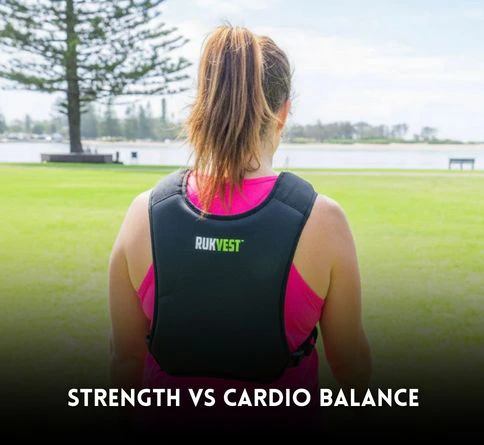
3. Strength vs Cardio Balance
Rucking requires its practitioners to achieve an equal distribution of strength training and cardiovascular exercise. The ability to carry weight depends on strength while cardiovascular endurance enables you to cover greater distances.
My experience proves that my rucking training becomes easier to handle when I practice both strength and cardio exercises.
Performance Tips
Your best performance requires you to control your body weight and maintain proper hydration and complete recovery. The process of recovery enables your body to repair muscles while it maintains your energy levels.
My personal experience finds that staying hydrated benefits endurance performance.
Quick Summary:
- Build endurance with longer, steady-paced rucks.
- Increase speed using intervals and shorter strides.
- Balance strength and cardio for better performance
- Manage load, recovery, and hydration for consistent progress.
Beginner Mistakes to Avoid for Women
Individuals beginning a rucking practice develop common errors through three main ways: they choose excessive weights, they eliminate recovery periods, and they maintain unbalanced body positions, which leads to their practice of rucking. You can develop strength through safe methods when you stop making these particular errors.
The process of rucking became easier for me through my experience of starting with light weights while maintaining proper execution of movements. The best method for preventing injuries and burnout according to experts maintains a gradual progression system.
People tend to overlook two important aspects: their body needs recovery time and they experience hormonal fatigue throughout the day. Your energy levels and performance capacity decrease when you experience stress and sleep disturbances and hormonal fluctuations. I discovered through my personal experience that body awareness combined with sufficient recovery time leads to improved results and sustained performance.
Sample Rucking Workout Plan for Women
The design of a structured rucking workout plan needs to be both straightforward and achievable for users to implement successfully. The goal is to build strength and endurance while maintaining consistent performance through controlled training progressions.
The best approach to training for me is to begin with low-intensity exercises which I will gradually increase until I reach my complete training capacity. Experts recommend taking it step by step for the best long-term results.
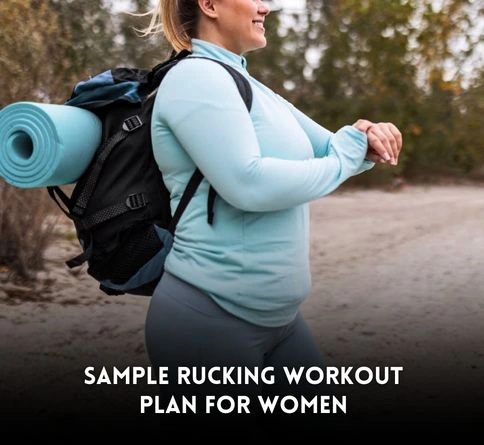
The beginner rucking workout requires a 20-minute walk which the user will complete while carrying light weights. The user should concentrate on maintaining proper posture and maintaining a constant walking speed throughout the exercise. The purpose of this stage is to establish a training routine while your body develops its necessary adjustments. The following sections will present my workout plans.
Intermediate Workout
An intermediate rucking workout consists of a 40-minute ruck which includes interval training. The walker’s endurance and speed will increase through the practice of alternating between normal walking speed and slightly faster walking pace. From my experience, this stage starts to feel more challenging but also more rewarding.
Advanced Workout
The advanced rucking workout combines hill running with strength circuit training. Walking uphill creates more demanding exercise conditions which become more challenging with additional exercises. The observed level of this training program brings substantial benefits for both endurance and strength development.
Quick Workout Comparison:
| Level | Duration | Intensity | Focus | Goal |
|---|---|---|---|---|
| Beginner | 20 min | Low | Form & consistency | Build habit |
| Intermediate | 40 min | Moderate | Endurance & speed | Improve performance |
| Advanced | 45+ min | High | Strength & stamina | Maximize results |
Final Thoughts
Rucking serves as the easiest and most effective strength building exercise for women. The exercise allows users to customize their workout by adjusting weight distance and intensity according to their current fitness level. The exercise program suits my schedule because it provides me with manageable tasks to follow throughout my day which helps me maintain my commitment to it.
Rucking provides physical advantages, but it also creates empowerment for people who practice it. Your confidence improves through strength development, which helps you gain independence and increases your daily life capabilities. Weight training combined with obstacle training, which I practiced, develops strength that exceeds physical fitness boundaries. Rucking functions as a workout, but it also serves as a means for women to achieve greater strength and confidence while managing their health.

Leave a Reply